Keeping NDIS accommodation clean isn’t just about appearances—it’s about protecting health, maintaining dignity, and creating spaces where people with disabilities feel respected and at ease. Whether you’re managing a Supported Independent Living (SIL) home, Medium Term Accommodation (MTA), or Short-Term Accommodation (STA), effective cleaning routines play a crucial role in delivering high-quality care.
For many participants, especially those with complex health needs, compromised immune systems, or sensory sensitivities, a clean environment isn’t a luxury—it’s a necessity. That’s why cleaning in NDIS settings should be structured, thoughtful, and inclusive. With a reliable routine and compassionate support staff, you can ensure a hygienic, welcoming environment that enhances everyday life.
Let’s explore why cleanliness is a cornerstone of care in NDIS homes, what daily and weekly tasks are essential, and how tailored routines make a lasting difference for participants and providers alike.
Why Cleanliness Matters in NDIS Settings
Cleanliness in disability accommodation settings directly impacts health, wellbeing, safety, and emotional comfort. Participants rely on a stable environment where they feel secure, supported, and in control. Whether it’s a private room or a shared communal space, hygiene is a fundamental pillar of care.
Key Benefits of Clean Environments:
- Reduces the risk of illness and infection: NDIS participants may have compromised immune systems or pre-existing health conditions. Regular cleaning minimises the spread of harmful germs, especially in kitchens, bathrooms, and high-touch surfaces.
- Improves mental wellbeing: Clean, uncluttered spaces can reduce anxiety, improve focus, and foster a sense of calm. A well-maintained environment also promotes pride and comfort in one’s home.
- Promotes safety: Tripping hazards such as wet floors, cluttered hallways, or debris can lead to serious injury. Keeping floors clean and walkways clear is vital.
- Supports independence and routine: Where appropriate, participants can take part in simple cleaning tasks. This builds essential life skills, promotes ownership of their environment, and encourages personal development.
In high-vulnerability environments—such as homes for people with mobility issues, autism spectrum disorder (ASD), or dementia—consistent, respectful cleaning becomes even more important.
Daily and Weekly Cleaning Essentials
Establishing a structured cleaning routine makes it easier to maintain high standards. In disability care environments, tasks must be consistent, reliable, and clearly defined. A routine also helps staff manage time more efficiently while reducing the risk of oversight.
✅ Daily Tasks
- Wipe kitchen surfaces and appliances: Clean food-preparation areas after every use to prevent bacteria buildup.
- Disinfect bathrooms: Focus on sink handles, toilet seats, taps, flush buttons, and door handles.
- Empty rubbish bins: This prevents odours and discourages pests like cockroaches or ants. Ensure bins have liners.
- Tidy communal areas: Straighten cushions, dust tables, and keep items like remote controls in designated spots.
- Clean mobility aids if necessary: For example, wheelchairs or walkers should be wiped down to maintain hygiene.
✅ Weekly Tasks
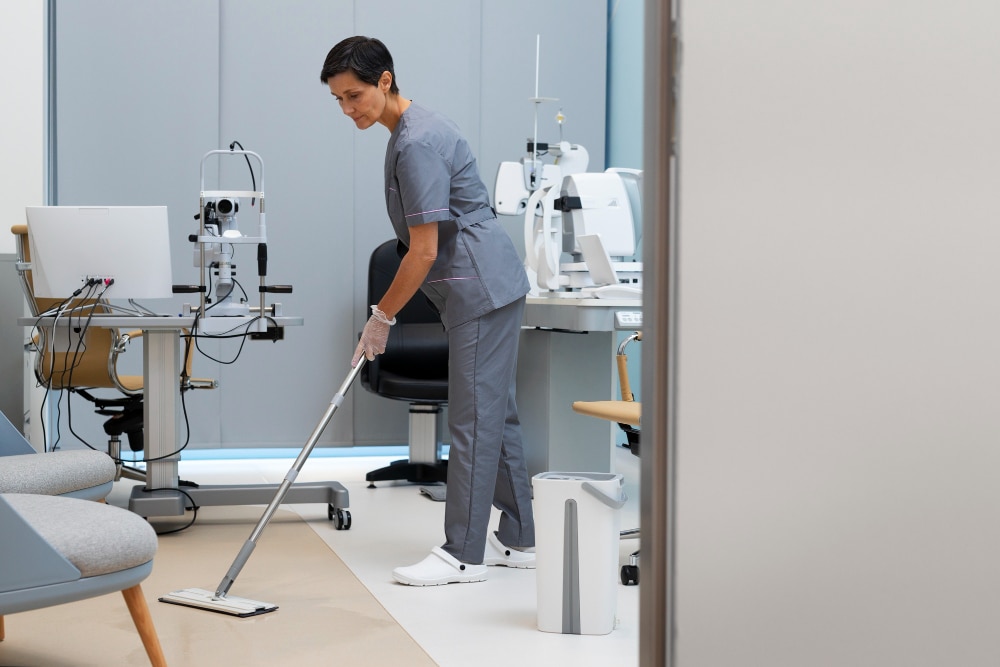
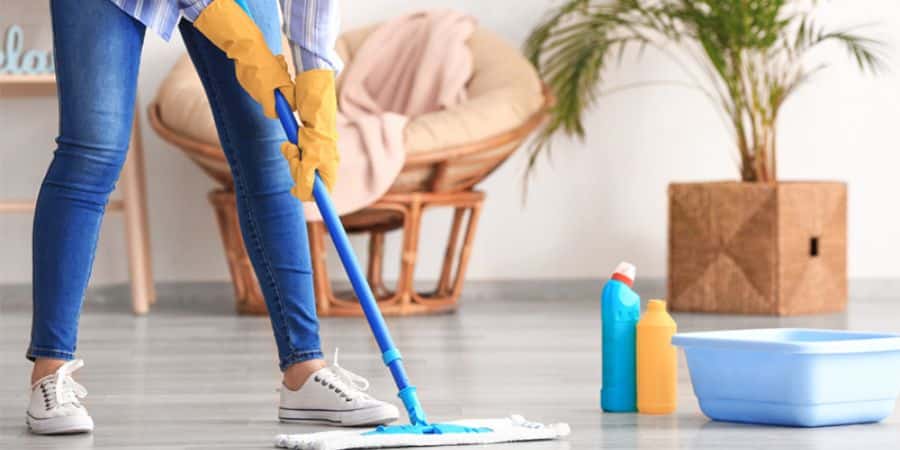
- Vacuum and mop all floors: Pay extra attention to corners and under furniture where dust builds up.
- Deep clean bathrooms: Use appropriate cleaners to scrub toilets, sinks, shower tiles, and drains.
- Clean appliances: Remove old food from fridges, wipe the interior of microwaves, and check stovetops for burnt residue.
- Change bed linens and towels: Encourage participants (if able) to be part of this routine.
- Dust hard-to-reach spots: Including ceiling fans, air vents, and skirting boards.
High-Touch and High-Risk Areas
High-touch surfaces are breeding grounds for germs, especially in shared living environments. These should be cleaned daily—or more frequently if there’s illness in the home.
Focus On:
- Doorknobs and light switches
- Drawer handles and fridge doors
- Remote controls and mobile devices
- Handrails or support bars
- Lift buttons or mobility ramps
Best Practices:
- Use hospital-grade disinfectants on frequently touched items. Avoid overuse of strong chemicals around participants with sensitivities.
- Use colour-coded cloths and mops to avoid cross-contamination. For example:
- Red: Toilets and bathroom floors
- Blue: Kitchens
- Green: General surfaces
- Yellow: Clinical or high-touch areas
- Red: Toilets and bathroom floors
- Change cleaning cloths daily and use disposable gloves where required.
- Ensure soap dispensers and hand sanitiser are always filled and accessible.
Cleaning Considerations for Participants with Additional Needs
Some participants may be more sensitive to cleaning routines than others. For example, individuals with autism, sensory processing disorder, or cognitive decline may feel anxious around unfamiliar smells or sudden changes in routine.
How to Make Cleaning Inclusive:
- Use scent-free or low-odour products to avoid triggering sensory issues.
- Clean at consistent times each day to establish predictable routines.
- Use visual schedules to prepare participants for upcoming cleaning activities.
- Avoid harsh or abrasive cleaners—both for health reasons and to maintain trust in the home environment.
Encourage Participation in Small Ways:
Where appropriate and safe, participants can join in cleaning tasks such as:
- Folding their laundry
- Dusting low shelves
- Watering plants
- Sorting recyclables
- Tidying up their personal space
This promotes independence, provides structure, and helps participants feel more in control of their living environment.
How Reaching Abilities Supports NDIS Homes
At Reaching Abilities, we understand that cleaning in NDIS-supported settings is never just about surface-level results. It’s about dignity, safety, comfort, and care. Our cleaning services are specifically designed for disability accommodation and support environments—delivered with professionalism and compassion.
What Makes Our Services Unique:
- Trained Staff: Our team understands the sensitivities of working in NDIS environments. We’re familiar with dementia care, mental health considerations, and complex health conditions.
- Flexible Scheduling: Whether you need a daily clean, weekly support, or once-off deep cleaning, we adapt to your needs.
- Respectful Service: We clean in a way that’s discreet and minimally disruptive, always respecting the privacy and routines of participants.
- All Settings Covered: Our services extend to SIL homes, MTA, STA, and in-home care support across Western Australia.
We also collaborate with support coordinators, plan managers, and families to ensure cleaning aligns with the participant’s goals, medical needs, and personal preferences.
Extra Tips for Cleaning Teams in NDIS Homes
Here are some often-overlooked tips to make your cleaning even more effective in disability accommodation:
- Keep cleaning carts quiet and organised. Loud rattling or visual clutter can distress participants.
- Label cleaning products with icons or simple words. This helps participants and support staff know what’s safe and where it’s used.
- Store supplies out of reach when not in use. Safety is essential, especially in homes with children or participants with behavioural needs.
- Log completed tasks. A shared cleaning log helps staff rotate responsibilities and keeps management informed.
- Provide feedback channels. Allow participants or their guardians to share thoughts on how cleaning can improve their comfort.
Conclusion: Clean Homes, Confident Participants
Maintaining a clean, safe, and dignified environment is one of the most important responsibilities in NDIS-supported living. It’s not just about wiping surfaces—it’s about building routines that foster security, comfort, and self-worth. For participants, a clean home is a place where they can feel in control, independent, and respected.
At Reaching Abilities, we’re proud to offer tailored, flexible, and participant-first cleaning services that support every type of NDIS accommodation. Whether you’re a support coordinator, a provider, or a family member, we’re here to make your job easier and participants’ lives brighter.
💬 Need reliable cleaning services for your NDIS home?
Get in touch today and discover how we can help keep your supported accommodation clean, calm, and full of care.
Ozer Tanlasi – Founder and Director of Reaching Abilities
Ozer Tanlasi is the Founder and Director of Reaching Abilities, an organisation dedicated to providing compassionate and empowering support to individuals with disabilities. With a background in allied health and a deep commitment to inclusive care, Ozer established Reaching Abilities to create a welcoming space where individuals can thrive, gain independence, and achieve their personal goals. Her approach is centred around understanding each individual’s unique needs and strengths, ensuring they receive tailored services that make a positive impact on their lives. Under Ozer’s leadership, Reaching Abilities has become known for its compassionate, client-focused approach, supporting individuals and families in building meaningful connections and reaching new potentials.