Moving into Supported Independent Living (SIL) is a significant milestone for many NDIS participants. It represents a shift towards greater independence and new opportunities. However, for this transition to be truly successful, the accommodation must feel like a genuine home, rather than a facility or a workplace for staff.
When a living space offers comfort, familiarity, and a sense of ownership, it does more than just house a participant—it nurtures their emotional wellbeing. A warm, home-like setting provides the stability needed to build daily living skills and foster meaningful connections with housemates.
Creating this environment requires a thoughtful approach that balances safety with personal expression. Whether you are a family member, a guardian, or a Support Coordinator, understanding the elements that turn a house into a home is crucial for finding the right fit for your loved one or client.
What “Home-Like” Really Means in SIL Settings
In the context of NDIS accommodation care, “home-like” goes far beyond having comfortable furniture or a television in the lounge room. It is about autonomy, identity, and the feeling of sanctuary.
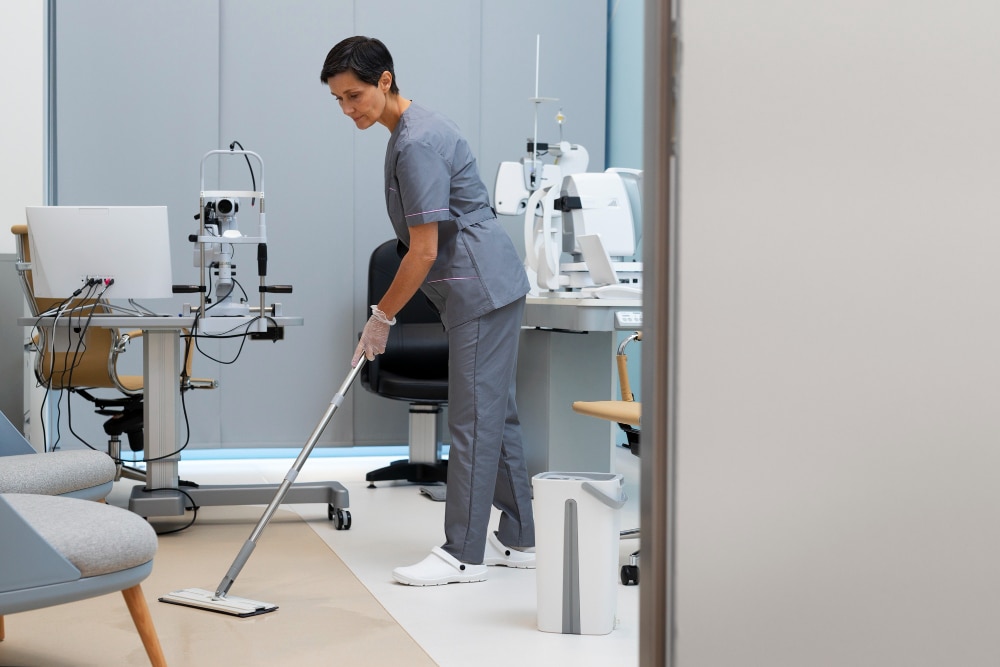
A true home reflects the personalities of the people living there. It is a space where participants feel they have control over their surroundings—from the art on the walls to the food in the fridge. In clinical settings, the environment is often designed for the efficiency of the staff. In a home-like SIL setting, the environment is designed for the comfort of the resident.
This involves a delicate balance. Support requirements and safety measures are essential, but they should be integrated discreetly. For example, accessibility modifications like handrails can be chosen in finishes that blend with the décor rather than standing out as industrial fixtures. Ultimately, “home” feels different for everyone, so the definition must be guided by the choice and preference of the participants themselves.
Why Home-Like Environments Matter for NDIS Participants
The environment where a person lives has a profound impact on their mental health and daily functioning. When SIL home-like settings are prioritised, we see tangible benefits in the lives of participants.
Emotional Wellbeing and Comfort
A sterile or impersonal environment can increase anxiety and feelings of isolation. Conversely, a space filled with familiar items—such as personal photos, favourite blankets, or cherished collections—signals safety. These visual cues help regulate mood and provide a calming retreat from the outside world.
Independence and Confidence
Participants feel more capable when their environment is set up for them. When a kitchen is organised logically and safely, a participant is more likely to engage in cooking. When a living room feels welcoming, they are more likely to host guests. A home-like environment empowers participants to take ownership of their space, directly supporting their goals for independence.
Daily Routine Stability
Routines are the backbone of a calm life. In a home-like setting, routines are driven by the rhythm of the household, not a shift roster. Waking up to a quiet house, having breakfast at a personal pace, and winding down in a cosy evening atmosphere creates predictable, reassuring patterns that reduce stress.
Sense of Belonging
In shared accommodation, a warm and respectful environment helps build trust among housemates. When the common areas are inviting, they become places for social interaction rather than just thoroughfares. This fosters a genuine sense of community and belonging within the home.
Key Elements of a Home-Like SIL Environment
Transforming a property into a home involves looking at both the physical space and the culture within it. Here are the practical elements that contribute to a welcoming supported living environment.
Personalised Bedrooms and Private Spaces
The bedroom is often a participant’s private sanctuary. It is essential that they have full creative control over this space. This includes choosing bedding, rearranging furniture to suit their preferences, and displaying personal items that reflect their history and interests. Whether it is a gaming setup, a reading nook, or a gallery of family photos, the bedroom should be an expression of the individual.
Warm and Inviting Shared Areas
Shared spaces should encourage relaxation. Harsh overhead lighting can be replaced or supplemented with floor lamps to create a softer ambience. Comfortable seating arrangements that encourage conversation, rather than just facing a television, can improve social interaction. The inclusion of plants, rugs, and soft furnishings adds texture and warmth, moving the aesthetic away from “clinical” and towards “cosy.”
Participant Involvement in Decisions
A house becomes a home when you have a say in how it runs. Participants should be actively involved in household decisions. This ranges from choosing the weekly menu and deciding on new décor for the lounge room, to planning weekend activities.
Creating a Positive Shared Culture
The “vibe” of a house is just as important as the furniture. A home-like culture is built on mutual respect, clear communication, and healthy boundaries. Regular house meetings where participants can voice their opinions and resolve minor conflicts help ensure everyone feels heard and valued.
Balancing Accessibility with Comfort
Safety is non-negotiable, but it does not need to look institutional. Clear pathways and safe layouts are vital for mobility, but adaptive equipment can often be sourced in styles that complement a home interior. The goal is to make the home accessible without making it feel like a hospital.
The Role of Support Workers in Fostering a Home-Like Setting
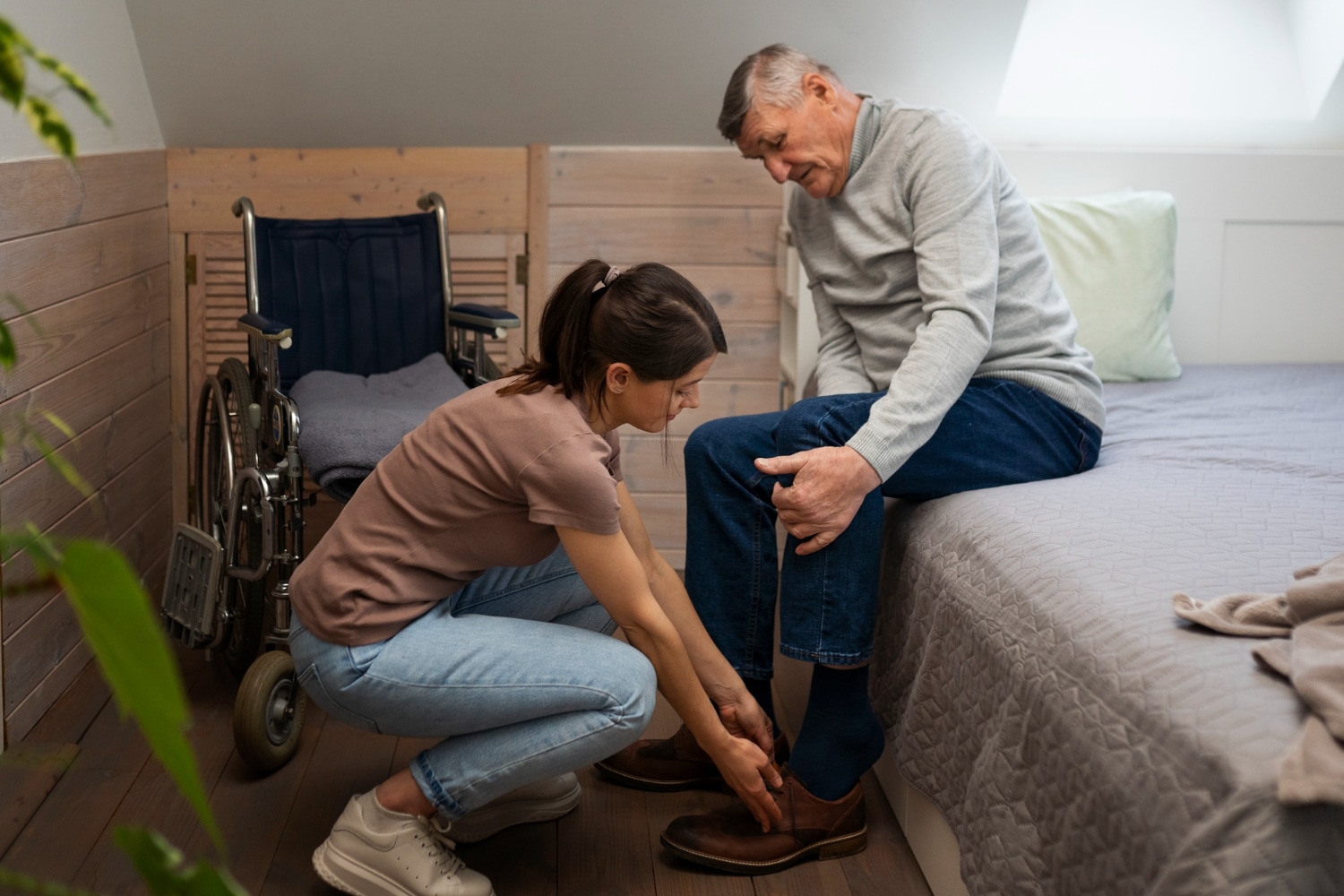
The physical environment sets the stage, but the support staff set the tone. In a home-like SIL environment, support workers must adopt the mindset of being a guest in the participant’s home, rather than a worker in a facility.
This mindset shift changes behaviours. It means knocking on doors before entering private spaces, respecting the participant’s right to privacy, and being mindful of noise levels. It involves modelling positive communication and supporting routines without dominating them.
Consistency is also key. When staff interact with participants in a predictable, respectful, and caring manner, it builds the emotional safety required for a house to feel like a home. A participant-centred approach ensures that the staff adapting to the home, rather than the residents adapting to the staff.
How Reaching Abilities Supports Home-Like Environments
At Reaching Abilities, we understand that a house is only a home if the people inside it feel happy, safe, and heard. Our approach to Supported Independent Living is grounded in the belief that participants should be the architects of their own lives.
We encourage participants to personalise their living spaces and take an active role in household management. Our team focuses on building Daily Living Skills in a way that feels natural and supportive, rather than instructional. By maintaining safety standards without compromising on comfort, we create spaces where participants can relax and be themselves.
Furthermore, we believe a home extends beyond four walls. We actively support Community Participation to ensure participants feel connected to their local neighbourhood, fostering a true sense of inclusion.
Practical Tips for Families and Coordinators
If you are evaluating accommodation options, here are some practical things to look for and ask about to ensure the environment prioritises participant comfort in SIL:
- Observe the décor: Does the furniture look comfortable and domestic, or does it look like office furniture? Are the walls bare, or do they feature art and photos?
- Ask about routines: Can participants choose when they wake up and eat, or are these times set by staff rosters?
- Check private spaces: Ask how much freedom participants have to decorate their own rooms.
- Watch interactions: Do staff knock before entering rooms? Is the language used respectful and non-clinical?
- Discuss food: Do participants have input into meal planning and access to the kitchen?
Creating a Place to Belong
Creating a home-like environment in SIL settings is essential for supporting the independence, dignity, and wellbeing of NDIS participants. Small, thoughtful changes in décor, routine, and staff attitude can make a profound difference in how a person feels about their life every day.
For guardians and Support Coordinators, prioritising these elements ensures that participants are not just housed, but are truly at home. By focusing on comfort, choice, and person-centred care, we can cultivate environments where individuals flourish.
If you would like to learn more about our approach to accommodation and support, please visit About Reaching Abilities or Contact Us to speak with our friendly team.

Ozer Tanlasi – Founder and Director of Reaching Abilities
Ozer Tanlasi is the Founder and Director of Reaching Abilities, an organisation dedicated to providing compassionate and empowering support to individuals with disabilities. With a background in allied health and a deep commitment to inclusive care, Ozer established Reaching Abilities to create a welcoming space where individuals can thrive, gain independence, and achieve their personal goals. Her approach is centred around understanding each individual’s unique needs and strengths, ensuring they receive tailored services that make a positive impact on their lives. Under Ozer’s leadership, Reaching Abilities has become known for its compassionate, client-focused approach, supporting individuals and families in building meaningful connections and reaching new potentials.