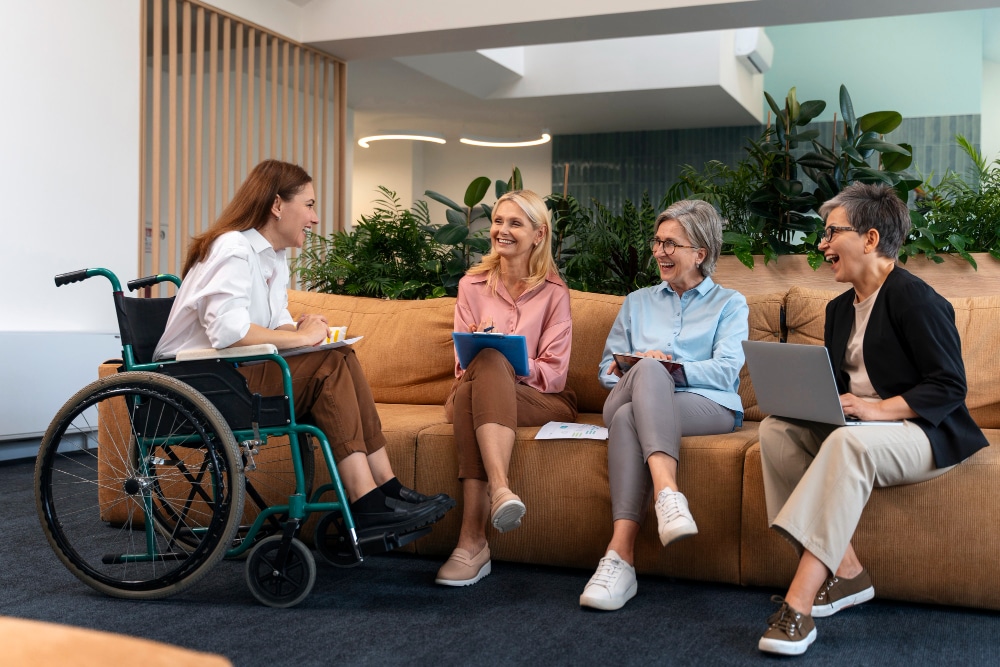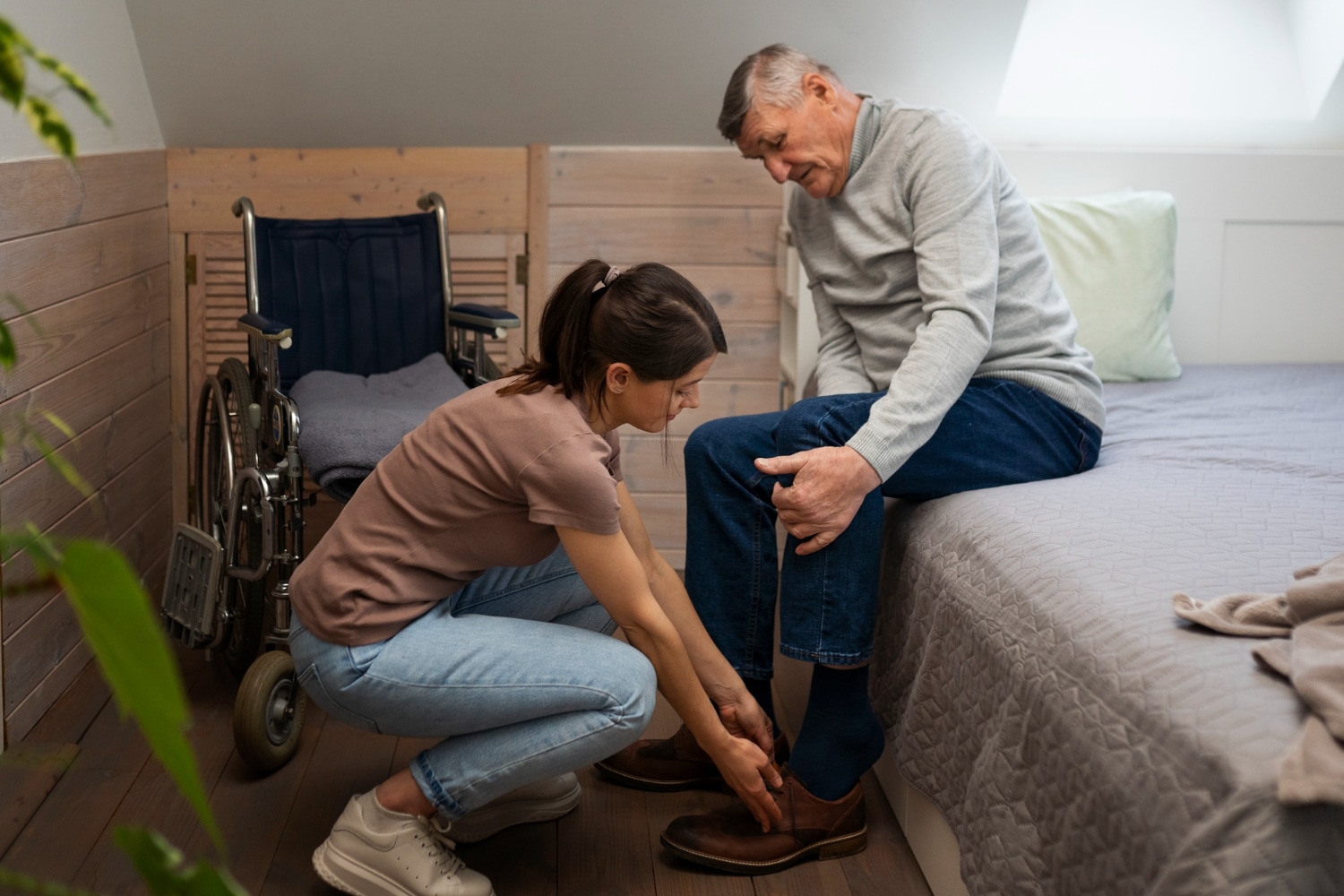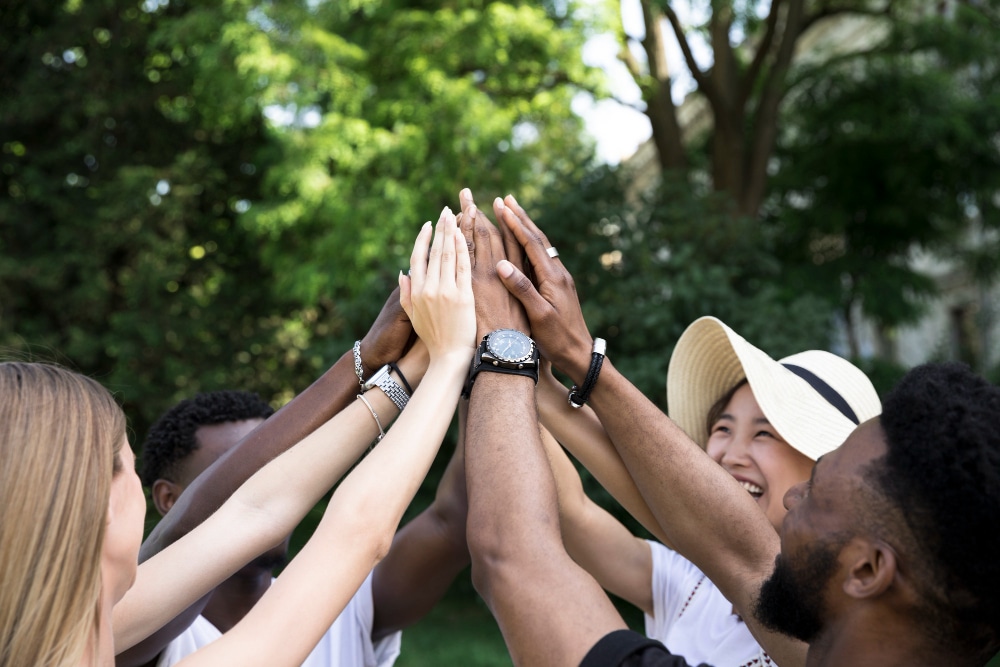
Imagine a life where your world is limited to your front door. For many people living with a disability, this isn’t just a thought experiment; it’s a daily reality. Isolation, anxiety, and a world not built for diverse needs can create invisible walls that feel impossible to climb. But community participation programs are changing that narrative.
Community participation is essential for building confidence, fostering independence, and creating genuine social inclusion. It’s about more than just “getting out of the house”; it’s about finding your place in the world. Yet, we know that social barriers like limited accessibility, fear of the unknown, or lack of opportunity often stand in the way.
That’s where structured support steps in. NDIS community participation programs are designed specifically to dismantle these hurdles. By offering tailored assistance, safe environments, and meaningful activities, these programs turn “I can’t” into “I did.” In this article, we’ll explore how these initiatives work, the barriers they break down, and how they empower participants to live richer, more connected lives.
Understanding Community Participation in the NDIS
In the simplest terms, community participation within the NDIS framework is about supporting you to engage with the world around you. It’s funding that helps you pursue your interests, learn new things, and meet people outside of your immediate circle.
This support type is crucial because it isn’t just about entertainment. It acts as a bridge to:
- Accessing local activities: From art classes and sports teams to library groups and volunteer work.
- Developing social skills: Learning how to interact, communicate, and build relationships in different settings.
- Building independence: Gaining the confidence to navigate public spaces and manage daily tasks.
- Connecting with broader communities: Feeling like a valued member of society rather than an observer.
At its core, community connection is driven by your goals. Whether you want to learn to swim, join a book club, or simply have a coffee at a local cafe, these programs provide the practical support needed to make those meaningful activities a reality.
Common Barriers Participants Face
While the desire to participate is often strong, the road to inclusion isn’t always smooth. Many participants face significant hurdles that can make community engagement feel daunting. Recognising these challenges is the first step toward overcoming them.
Social Anxiety and Confidence Limitations
Stepping into unfamiliar environments can be overwhelming. For someone who has experienced isolation or negative interactions in the past, the fear of judgment or the stress of navigating new social dynamics can be paralysing. It takes immense courage to walk into a room of strangers, and without the right support, that anxiety can keep doors firmly closed.
Limited Access to Community Spaces
Ideally, the world would be accessible to everyone, but physical and environmental obstacles remain a major issue. This includes everything from a lack of wheelchair ramps and accessible bathrooms to sensory-overloading environments like loud shopping centres or crowded transport hubs. When the physical world says “keep out,” participation becomes a logistical nightmare.
Reduced Opportunities for Social Interaction
Isolation is a compounding issue. Without a pre-existing network or access to local programs, it’s hard to make the first move. Many participants struggle with a lack of opportunities simply because they don’t know what is available or don’t have a way to get there.
Skill Gaps That Make Participation Difficult
Sometimes, the barrier isn’t the environment, but the skills needed to navigate it. Challenges with communication, planning a journey, or managing money can make independent participation feel unsafe or impossible. These skill gaps require patience and practice to bridge.
How Community Participation Programs Break These Barriers
The beauty of NDIS community participation programs lies in their ability to turn these challenges into stepping stones. They provide a structured, supportive environment where barriers are systematically dismantled.
Building Confidence Through Guided Social Experiences
Confidence doesn’t happen overnight; it grows with every positive experience. Support workers play a vital role here, acting as a safety net. They allow participants to engage gradually; perhaps starting with a one-on-one outing before transitioning to small groups. This guided approach ensures that social situations feel safe and comfortable, allowing confidence to bloom naturally.
Creating Inclusive Pathways Into Local Groups
These programs act as a key that unlocks the door to local life. They open access to a wide range of activities, including art, sport, volunteering, education, and social outings. Instead of wondering “what can I do?”, participants are presented with tailored options that align with their interests, ensuring they have the same opportunities as everyone else to enjoy their local area.
Developing Essential Life and Social Skills
Participation is one of the best classrooms. Through these programs, participants naturally develop vital skills such as effective communication, problem-solving, and public interaction. Whether it’s ordering a meal, asking for directions, or working as part of a team, these real-world experiences build a toolkit of skills that apply to all areas of life.
Reducing Isolation and Strengthening Community Connection
Perhaps most importantly, these programs fight loneliness. They encourage friendships and regular engagement, helping participants build a “natural support network.” Over time, the faces at the local library or the teammates at the sports club become friends, transforming a sense of isolation into a feeling of belonging.
Promoting Independence and Goal Achievement
Ultimately, the goal is autonomy. As participants gain familiarity with community settings and build their skills, they rely less on intensive support. They gain routine, purpose, and the profound satisfaction of achieving their personal goals.
Qualities of Effective Community Participation Programs
Not all programs are created equal. For coordinators and caregivers, finding the right fit is essential for success. An effective program should always prioritise person-centred planning. This means the activities aren’t just generic outings; they are directly aligned with the participant’s specific goals and passions.
Look for support workers who encourage rather than overshadow. The best support is the kind that steps back when the participant is ready to step forward. Furthermore, the program must offer inclusive and accessible activity options, ensuring that physical or sensory needs never prevent participation.
Cultural and social sensitivity is also paramount, creating a space where everyone feels respected. Finally, look for structured progress monitoring and flexibility. Needs change, and a good program adapts to the participant’s growth, celebrating every milestone along the way.
Reaching Abilities’ Approach to Empowering Participants
At Reaching Abilities, we understand that true inclusion looks different for everyone. Our approach focuses heavily on choice, confidence, and safe engagement. We don’t just fill a calendar; we look at what brings a participant joy and build a plan around that.
Our support workers are trained to tailor activities to individual interests and abilities. Whether it is a quiet trip to a museum or an energetic sports session, the focus is always on a strengths-based approach to community access. We encourage independence across outings and tasks, ensuring that every trip into the community contributes to long-term skill development and personal growth.
Practical Tips for Coordinators and Caregivers
Supporting a participant to engage with the community is a journey. Here are some actionable tips to help you navigate it:
- Identify suitable programs: Look for providers who ask about interests first, not just availability.
- Questions to ask: “How do you handle sensory overload?” “What is the ratio of support workers to participants?” “How do you track progress toward NDIS goals?”
- Recognise progress: Positive participant progress isn’t always a big leap. It might be staying at an event for 10 minutes longer than last time or initiating a conversation.
- Address challenges early: If an activity isn’t working, don’t force it. Open communication allows for adjustments that keep the experience positive.
Empowering Lives Through Connection
Community participation is more than a service; it is a pathway to empowerment and inclusion. By providing structured, compassionate support, these programs help participants break down the barriers of isolation and anxiety, allowing them to thrive in social environments.
We invite families and coordinators to explore supportive options that align with participant goals. With the right program, the community becomes a place of opportunity, connection, and joy.
Ozer Tanlasi – Founder and Director of Reaching Abilities
Ozer Tanlasi is the Founder and Director of Reaching Abilities, an organisation dedicated to providing compassionate and empowering support to individuals with disabilities. With a background in allied health and a deep commitment to inclusive care, Ozer established Reaching Abilities to create a welcoming space where individuals can thrive, gain independence, and achieve their personal goals. Her approach is centred around understanding each individual’s unique needs and strengths, ensuring they receive tailored services that make a positive impact on their lives. Under Ozer’s leadership, Reaching Abilities has become known for its compassionate, client-focused approach, supporting individuals and families in building meaningful connections and reaching new potentials.