When Amanda first called us about her 28-year-old son Marcus, who lives with autism and epilepsy, her voice was filled with both hope and worry. “I’ve been his carer for years, but I’m getting older,” she explained. “I want to know he’ll be safe and supported when I’m no longer able to care for him.” Her concerns echoed those of countless families searching for SIL accommodation that can truly meet complex care requirements—not just tick boxes on a service checklist.
The good news? SIL accommodation can and should be customised for participants with complex needs. With the right provider and approach, individuals with multiple diagnoses, behavioural challenges, or high medical needs can thrive in supported living environments that feel like home, not an institution.
What Does “Complex Needs” Mean in the Context of SIL?
Complex needs in SIL accommodation refer to participants who require multiple types of support that often intersect and influence each other. These aren’t simple, straightforward care requirements—they’re multifaceted situations that demand thoughtful, coordinated approaches.
Examples of Complex Needs
Intellectual Disabilities Combined with Physical Conditions
Participants might live with Down syndrome alongside heart conditions, or cerebral palsy with communication challenges. Each aspect requires specific understanding and support strategies.
Behavioural Challenges Requiring Positive Behaviour Support
Some participants may display behaviours of concern that stem from frustration, sensory sensitivities, or past trauma. These situations need specially trained staff who can implement positive behaviour support plans consistently.
Medical Conditions Needing Specialised Equipment or Care
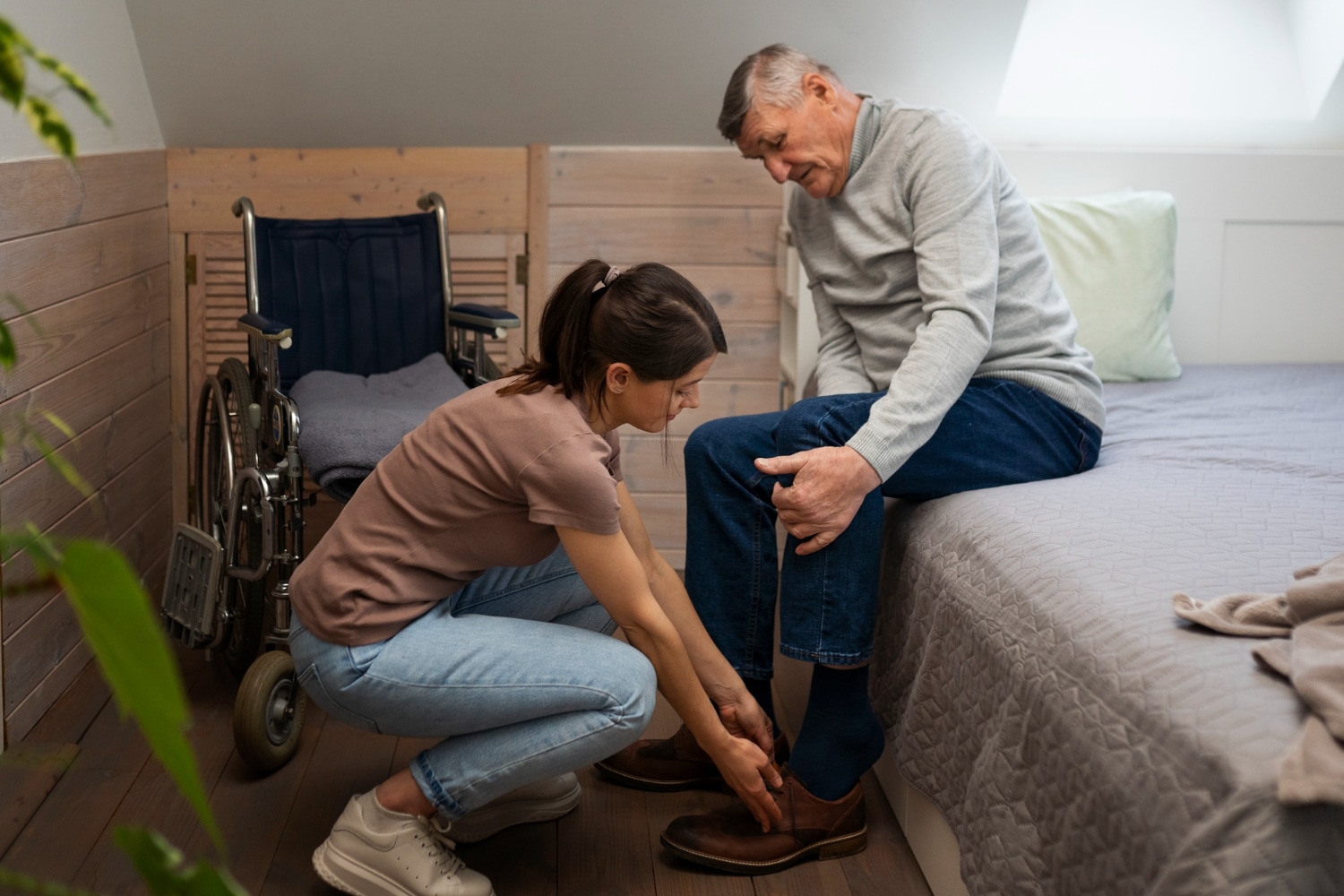
Epilepsy management, diabetes monitoring, feeding tubes, or mobility equipment all require staff with specific training and 24/7 availability for emergencies.
Mental Health Support Within SIL Environments
Depression, anxiety, or PTSD can significantly impact daily functioning and require integrated mental health approaches alongside practical daily living support.
Why Tailored Support Is Essential
Generic, one-size-fits-all approaches simply don’t work for complex cases. A participant with autism who becomes overwhelmed by noise will need different environmental considerations than someone with mobility challenges who requires accessible bathrooms and ramps. When support isn’t tailored, participants can become distressed, develop additional behavioural challenges, or experience decline in their physical or mental health.
How SIL Accommodation Can Be Tailored for Complex Care
Creating truly customised SIL accommodation involves several key elements working together seamlessly. It’s about building a support ecosystem around the individual, rather than expecting them to adapt to existing structures.
1. Individualised Care Plans
Every participant’s journey begins with a comprehensive care plan developed collaboratively. This isn’t a document created in isolation—it involves input from the participant themselves (where possible), families, support coordinators, healthcare professionals, and allied health specialists.
These plans detail everything from medication schedules and emergency procedures to preferred communication methods and calming strategies. They’re living documents that evolve as needs change, ensuring support remains relevant and effective.
2. Multidisciplinary Support Teams
Complex needs require diverse expertise. A well-rounded SIL team might include support workers trained in disability care, registered nurses for medical management, occupational therapists for daily living skills, and behaviour specialists for complex behavioural needs.
The magic happens when these professionals work together, sharing insights and coordinating their approaches. For example, an occupational therapist might recommend environmental modifications that also support the behaviour specialist’s sensory strategies.
3. Environmental Modifications and Assistive Technology
The physical environment can make or break a participant’s comfort and independence. Modifications might include:
- Sensory rooms with adjustable lighting and calming equipment for participants with autism or sensory processing challenges
- Specialised beds with pressure relief for participants with mobility limitations
- Communication devices and visual schedules for those with intellectual disabilities
- Mobility aids and accessible bathroom equipment
- Safety modifications like soft-close doors or padded corners for participants with movement disorders
4. Behavioural Support Programs in SIL
When participants display challenging behaviours, positive behaviour support frameworks become essential. These aren’t punitive approaches—they’re about understanding the underlying causes of behaviours and creating environments where participants feel safe, understood, and supported.
This might involve identifying triggers, teaching alternative communication methods, or creating structured routines that reduce anxiety and confusion.
Benefits of Customised SIL for Participants and Families
When SIL accommodation is truly tailored to complex needs, the benefits extend far beyond basic safety and care. Both participants and their families experience profound positive changes.
Enhancing Quality of Life for Participants
Customised support means participants can achieve greater independence while feeling secure and understood. They’re not constantly struggling against systems that don’t work for them—instead, they’re supported to build on their strengths and work towards meaningful goals.
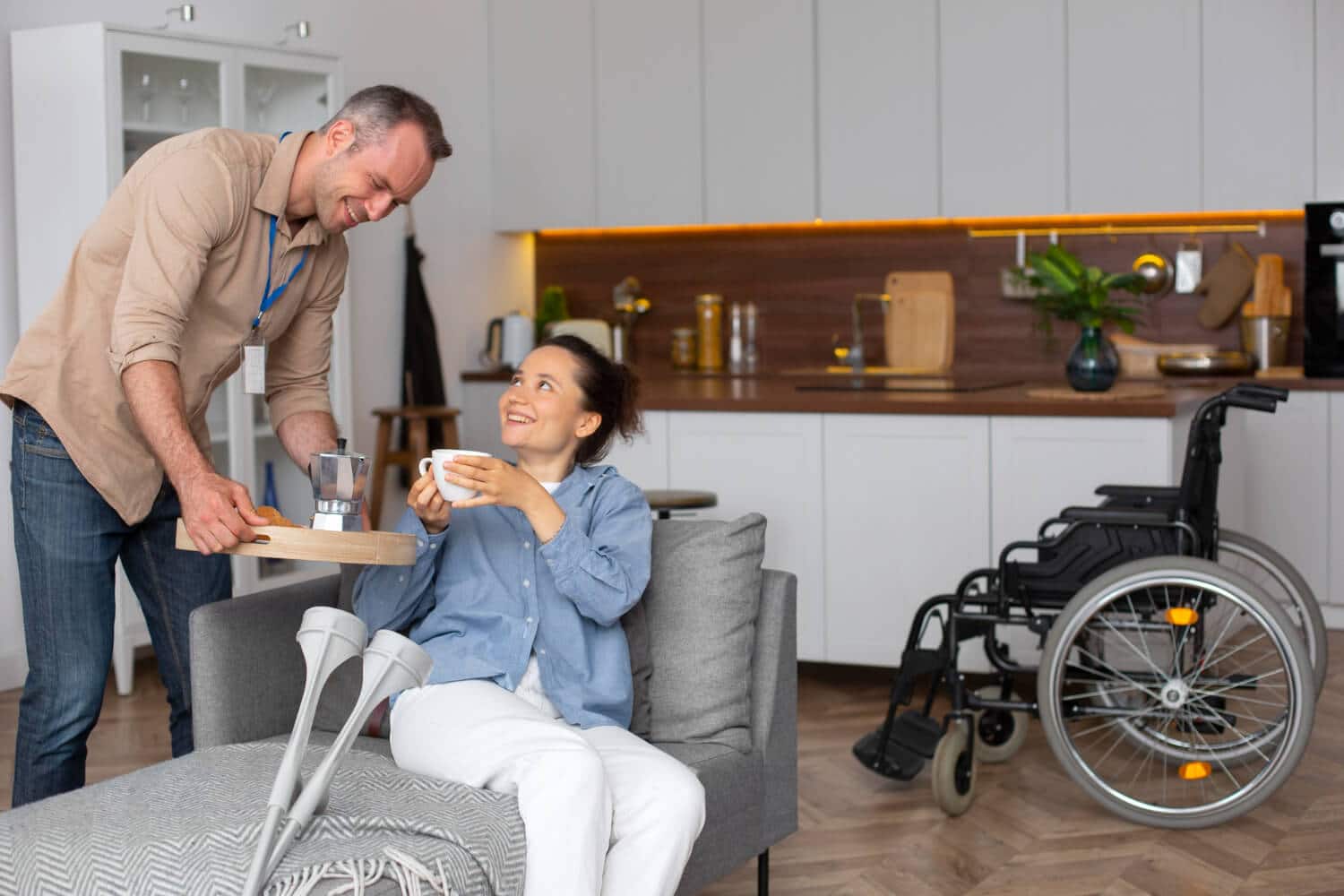
Marcus, the young man with autism and epilepsy we mentioned earlier, now lives in accommodation where staff understand his need for routine, his communication preferences, and his seizure management. He’s learned to prepare simple meals, manages his own laundry with support, and has even started a small garden project that brings him joy.
Providing Peace of Mind for Guardians
Perhaps nothing is more valuable for families than knowing their loved one is truly understood and cared for. When Amanda visits Marcus now, she sees him relaxed and engaged, staff who know his quirks and preferences, and systems in place that give her confidence in his long-term wellbeing.
“I finally feel like I can breathe,” she told us recently. “I know he’s not just being looked after—he’s actually thriving.”
What to Look for in a SIL Provider for Complex Needs
Choosing the right SIL provider for complex needs requires careful consideration. Not all providers have the expertise, staffing, or commitment necessary to deliver truly tailored support.
Experience With High-Intensity Support
Look for providers with demonstrable experience supporting participants with complex needs similar to your loved one’s situation. They should be able to provide examples of how they’ve successfully supported others with multiple diagnoses or challenging requirements.
Questions to Ask Potential Providers
When evaluating SIL providers, consider asking:
- What are your staff-to-participant ratios, particularly during overnight shifts?
- What specific training do your staff receive for complex medical or behavioural needs?
- How do you coordinate with external healthcare providers and allied health professionals?
- Can you provide examples of environmental modifications you’ve implemented?
- How do you communicate with families and keep them involved in care planning?
- What happens during medical emergencies or behavioural crises?
- How do you measure and track participant progress and wellbeing?
The right provider will welcome these questions and provide detailed, confident answers.
How Reaching Abilities Supports Participants With Complex Needs
At Reaching Abilities, we believe that complex needs don’t mean compromised dreams. Our approach to SIL accommodation centres on understanding each person as a whole individual, not just a collection of diagnoses or support requirements.
Our team includes registered nurses, experienced disability support workers, and specialists trained in areas like autism support, epilepsy management, and positive behaviour support. We work closely with external healthcare providers, ensuring seamless coordination of all aspects of care.
We’ve supported participants with diverse complex needs—from those requiring 24/7 medical monitoring to individuals with autism who need highly structured environments. Each person receives truly individualised support that evolves with their changing needs and goals.
What sets us apart is our commitment to going beyond basic care delivery. We focus on building genuine relationships, understanding personal preferences and communication styles, and creating environments where participants feel valued and understood.
When you entrust us with your loved one’s care, you’re not just choosing a service provider—you’re choosing a team that will treat them with the same love and attention we’d want for our own family members.
Frequently Asked Questions About SIL for Complex Needs
How much does customised SIL accommodation cost?
SIL funding through the NDIS is based on individual support needs, which means participants with complex needs typically receive higher funding levels. The cost varies depending on the intensity of support required, but NDIS funding is designed to cover appropriate care levels.
Can participants with complex needs live with others?
Yes, but careful consideration must be given to compatibility. Some participants thrive in shared accommodation with others who have complementary needs, while others require more individual living arrangements. The key is matching based on support requirements, communication styles, and lifestyle preferences.
What happens if a participant’s needs change over time?
Quality SIL providers regularly review and adjust support plans as needs evolve. This might involve increasing support intensity, adding new team members, or modifying the environment. Flexibility is essential for long-term success.
How involved can families be in ongoing care?
Family involvement varies based on individual circumstances and preferences, but most quality providers encourage ongoing communication and collaboration. Regular updates, care plan meetings, and visiting arrangements help families stay connected while respecting participants’ independence.
Personalised Support Makes Independence Possible
Complex needs don’t have to mean compromised independence or quality of life. With the right SIL provider, thoughtful planning, and truly personalised support, participants with the most challenging requirements can experience the dignity and joy of living as independently as possible.
If you’re exploring SIL options for someone with complex needs, don’t settle for providers who see challenges rather than possibilities. Look for teams who understand that behind every complex diagnosis is a unique individual with dreams, preferences, and the right to live their best life.
At Reaching Abilities, we’re here to help make that vision a reality. Contact us today to learn more about how we can support your loved one with the personalised care they deserve, or explore our comprehensive NDIS support coordination services to help navigate your journey.

Ozer Tanlasi – Founder and Director of Reaching Abilities
Ozer Tanlasi is the Founder and Director of Reaching Abilities, an organisation dedicated to providing compassionate and empowering support to individuals with disabilities. With a background in allied health and a deep commitment to inclusive care, Ozer established Reaching Abilities to create a welcoming space where individuals can thrive, gain independence, and achieve their personal goals. Her approach is centred around understanding each individual’s unique needs and strengths, ensuring they receive tailored services that make a positive impact on their lives. Under Ozer’s leadership, Reaching Abilities has become known for its compassionate, client-focused approach, supporting individuals and families in building meaningful connections and reaching new potentials.