Watching a loved one navigate the challenges of dementia brings a unique set of worries for families and guardians. Daily routines can become complex, and ensuring their safety while respecting their independence is a constant balancing act. As needs evolve, you may find yourself wondering what the best path forward is for their care and well-being. It can feel like an overwhelming responsibility, but you are not alone in this journey.
Fortunately, there are supportive and structured options available. Supported Independent Living (SIL), a key service under the National Disability Insurance Scheme (NDIS), offers a compassionate alternative to traditional aged care. It provides a way for individuals with dementia to live with dignity and receive the specialised care they require. This guide explains how SIL dementia care can meet these unique needs, offering peace of mind to families and a better quality of life for participants.
Understanding SIL in the Context of Dementia
So, what exactly is SIL? Supported Independent Living (SIL) is a support service funded by the NDIS. It provides housing and tailored assistance for participants with significant and ongoing disability care needs, including those with dementia. SIL is not just about providing a roof over someone’s head; it’s about creating a home where a person can live as independently as possible while receiving help with daily tasks.
For SIL for dementia participants, this model is adapted to address the specific cognitive and physical challenges associated with the condition. Accommodation can range from individual homes to shared living arrangements, all designed to be safe, accessible, and comfortable. Support workers are available to assist with everything from personal care and meal preparation to medication management. The goal is to create a nurturing environment that promotes choice, independence, and active community participation.
Addressing Dementia-Specific Needs in Daily Life
Dementia affects each person differently, but some common challenges require specialised support in daily living. SIL dementia care is structured to address these needs with compassion and expertise.
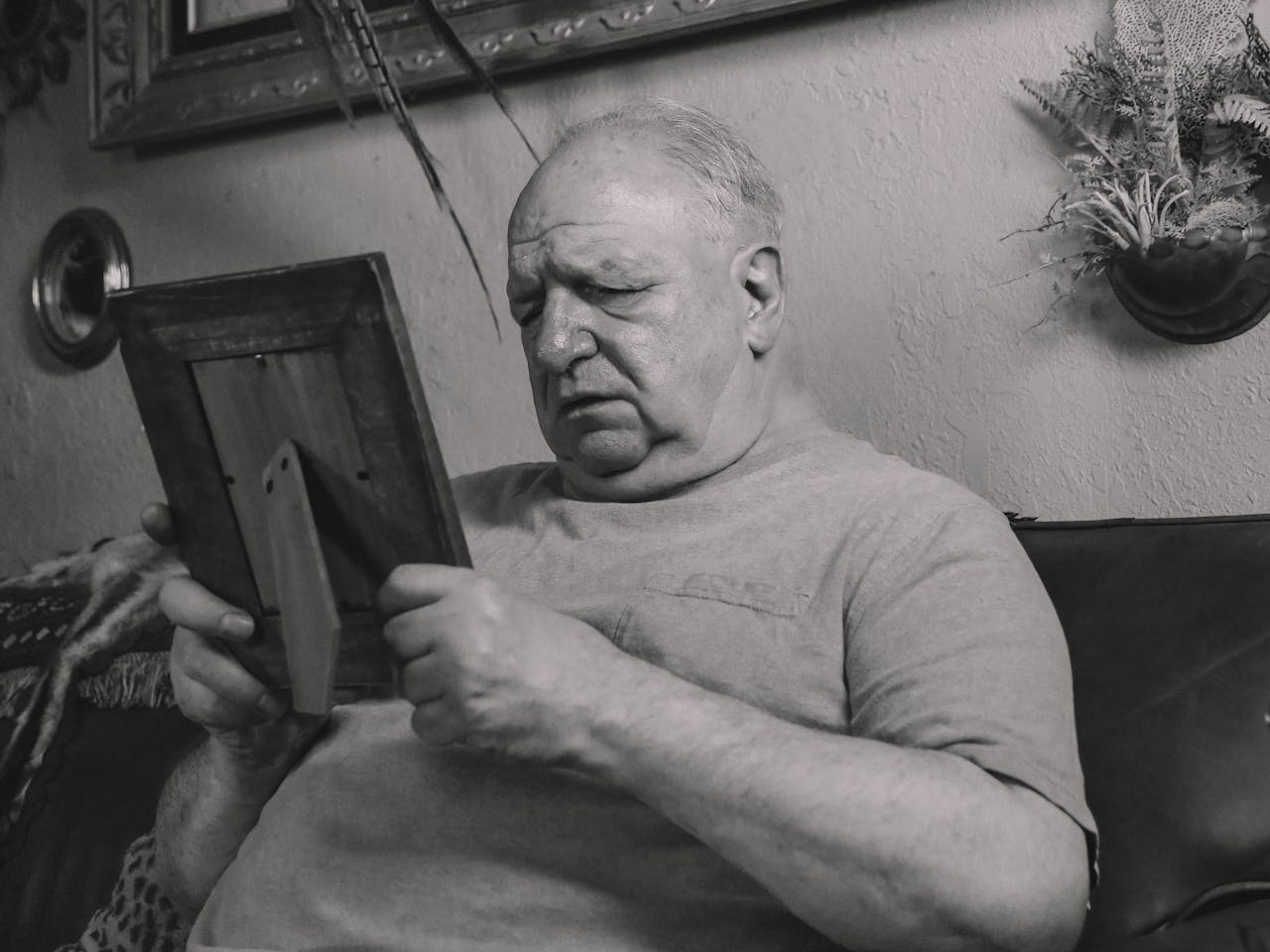
One of the most significant aspects of dementia care is providing memory care and support. This can involve gentle reminders for appointments, assistance with remembering names or daily routines, and creating visual cues around the home. Consistent routines are crucial for reducing anxiety and confusion. SIL support workers help establish and maintain these routines, creating a predictable and calming environment.
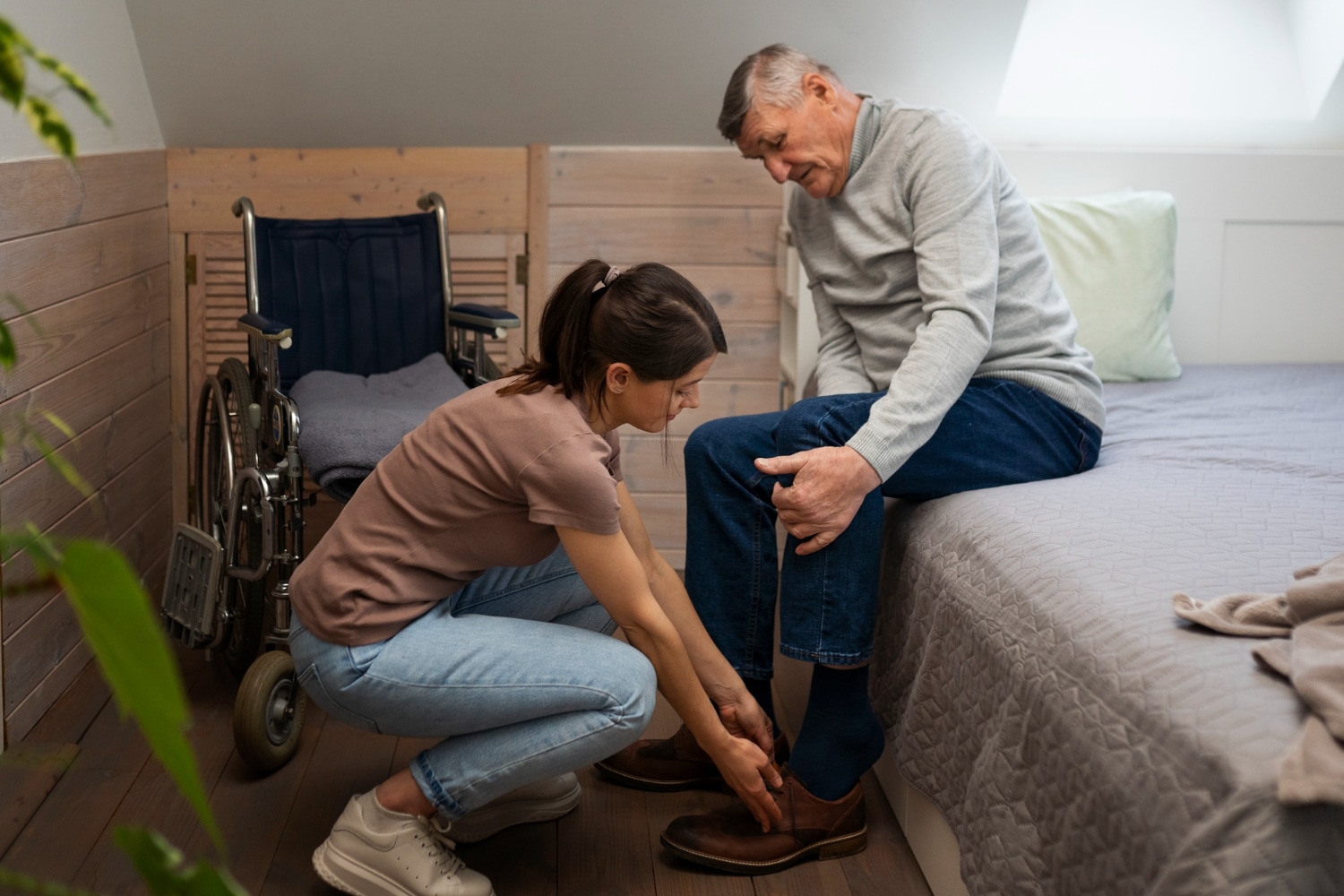
Supervision and safety are also paramount. Daily activities that were once simple, like cooking or bathing, can become hazardous. In a dementia-friendly housing environment, support staff provide the necessary supervision to ensure these tasks are completed safely. This might involve being present during meal preparation or assisting with personal care to prevent accidents, all while encouraging the participant to do as much as they can for themselves.
The Benefits of SIL for Dementia Participants
Choosing SIL accommodation can offer numerous benefits for individuals with dementia, providing a holistic approach to care that prioritises their well-being and dignity.
Personalised Care Plans
Because dementia progresses and changes over time, care must be adaptable. SIL providers create personalised care plans that are tailored to the individual’s cognitive and physical needs. These plans are regularly reviewed and updated to reflect any changes, ensuring the support provided is always relevant and effective. This might include everything from personal care to emotional support and behavioural support.
Specially Trained Staff
Effective dementia care requires more than just goodwill; it demands specific skills and understanding. SIL providers employ support workers who are trained in dementia care. They know how to communicate effectively, manage challenging behaviours with compassion, and create positive interactions. This specialised training ensures participants feel understood and respected.
Social Interaction and Community
Isolation can have a significant impact on the well-being of someone with dementia. SIL accommodation offers valuable opportunities for social engagement. Whether through group activities within the home, organised outings, or participation in community programs like music or art therapy, these interactions help reduce loneliness and provide cognitive stimulation.
A Safe and Structured Environment
SIL homes are designed to be safe and structured. Simple layouts help prevent confusion, while features like secured doors and windows can prevent wandering without making the participant feel confined. This creates a comfortable and hazard-free space, offering an excellent aged care alternative that promotes freedom and safety.
The Role of Guardians and Families
Choosing a care option for a loved one is a significant decision, and SIL providers understand the importance of involving families and guardians every step of the way. When developing personalised care plans, your input is invaluable. You know your loved one best—their history, their preferences, and what makes them feel comfortable.
SIL accommodation offers families the reassurance that their loved one is safe and well-cared for. Knowing that trained professionals are providing consistent, high-quality support can relieve much of the stress and burden that often falls on family carers. This also opens up the opportunity for families to consider other supports, such as respite care, to ensure they have time to rest and recharge. This collaborative approach ensures the participant’s well-being is always the top priority, fostering a strong partnership between the provider, the participant, and their family.
Why Choose Reaching Abilities for Dementia Care?
At Reaching Abilities, we specialise in providing NDIS specialised care for participants with complex needs, including dementia, across Western Australia. Our approach is built on a simple but powerful principle: we treat our participants like family. We believe that compassionate, person-centred care is the foundation of a happy and fulfilling life.
Our team is composed of highly qualified staff with 8–9 years of experience in the NDIS sector. This deep expertise allows us to navigate the complexities of NDIS dementia support and create truly effective care plans. We understand the local WA community and are committed to helping our participants thrive in a safe, supportive, and engaging environment. When you choose Reaching Abilities, you are choosing a partner who is genuinely invested in your loved one’s happiness and well-being.
Your Partner in Compassionate Dementia Care
Supported Independent Living offers a safe, supportive, and effective choice for individuals with dementia. By providing personalised care, a secure environment, and opportunities for social connection, SIL dementia care enhances quality of life and promotes independence. It provides families and guardians with the peace of mind that their loved one is receiving the best possible support from a team that truly cares.
If you are exploring care options for a loved one with dementia, we are here to help. Reach out to our friendly team at Reaching Abilities for a consultation to discuss how our Supported Independent Living (SIL) services can be tailored to meet your family’s needs.

Ozer Tanlasi – Founder and Director of Reaching Abilities
Ozer Tanlasi is the Founder and Director of Reaching Abilities, an organisation dedicated to providing compassionate and empowering support to individuals with disabilities. With a background in allied health and a deep commitment to inclusive care, Ozer established Reaching Abilities to create a welcoming space where individuals can thrive, gain independence, and achieve their personal goals. Her approach is centred around understanding each individual’s unique needs and strengths, ensuring they receive tailored services that make a positive impact on their lives. Under Ozer’s leadership, Reaching Abilities has become known for its compassionate, client-focused approach, supporting individuals and families in building meaningful connections and reaching new potentials.