For families and support coordinators navigating the NDIS, finding reliable care that genuinely enhances a participant’s quality of life is the ultimate goal. While the NDIS offers a wide range of services, in-home support stands out as a cornerstone for creating a stable and nurturing environment. The consistency of receiving care in a familiar setting does more than just meet daily needs; it builds confidence, reduces stress, and fosters a profound sense of security for participants.
This predictable and personalised approach is essential for participant wellbeing. When support is consistent, families and coordinators can plan more effectively, knowing their loved one is in a safe and supportive environment. This article explores how consistent in-home NDIS services create stability and empower participants to live with greater independence and comfort.
What is In-Home Support under the NDIS?
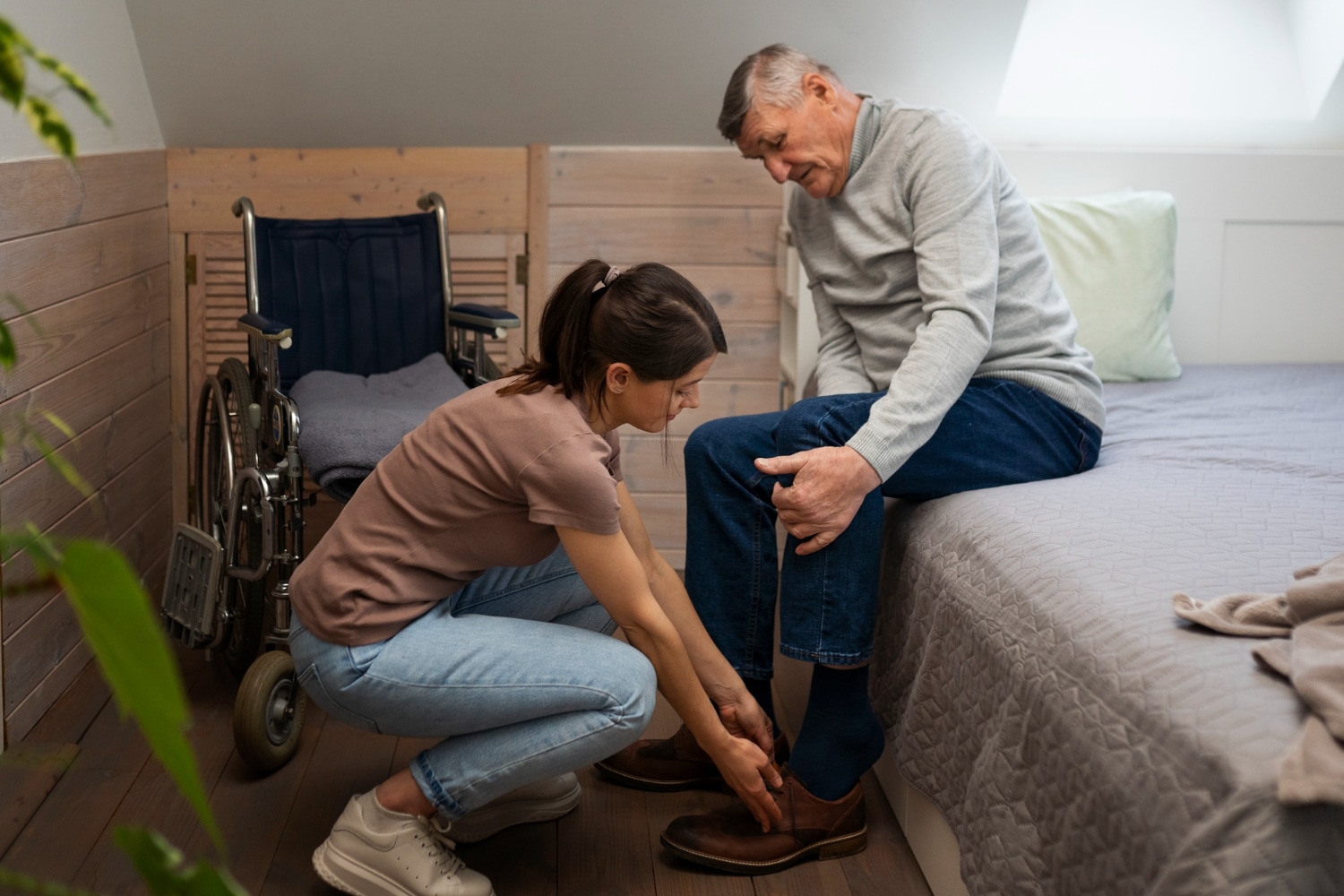
In-home support involves trained and compassionate support workers providing assistance with daily living activities directly within a participant’s own home. It’s a core component of NDIS care, designed to help individuals maintain their independence, comfort, and wellbeing in a familiar environment. Unlike residential care, home-based NDIS care is tailored to the individual’s existing routines and preferences, ensuring the support they receive feels natural and unintrusive.
Services covered can be broad and are always personalised, but common examples include:
- Personal Care: Assistance with showering, dressing, and other personal hygiene tasks.
- Domestic Help: Support with cooking, cleaning, laundry, and grocery shopping.
- Daily Living Assistance: Help with managing appointments, taking medication, and developing life skills to increase independence.
This form of support is about enabling participants to thrive in the place they feel most secure, surrounded by their personal belongings and loved ones.
The Importance of Stability for Participants
Stability is a fundamental human need, and its importance is magnified for individuals with disabilities. A predictable, consistent environment significantly reduces stress and anxiety, which can be particularly beneficial for participants with dementia, autism, or other complex needs who may find change distressing. When life feels stable, participants are more likely to feel confident, safe, and in control.
Consistent NDIS support builds a foundation of trust and security. Knowing what to expect each day, from who will be providing care to what activities are planned, creates a calm and reassuring atmosphere. This sense of predictability empowers participants to engage more fully in their daily lives, pursue their interests, and work towards their personal goals. Ultimately, participant stability is not just about maintaining a routine; it’s about enhancing overall quality of life and promoting emotional and psychological well-being.
Benefits of Consistent In-Home Support
When support is consistent, the benefits extend far beyond just having tasks completed. A stable care environment creates a ripple effect, positively impacting participants, their families, and their support network.
Predictable Routines for Comfort and Security
A consistent routine is a powerful tool for reducing anxiety. When participants know who is coming to their home and when, it helps to eliminate uncertainty. This predictability is especially crucial for individuals who thrive on structure. A familiar face and a regular schedule build a sense of security, making the home feel like a true sanctuary.
Improved Independence and Skill Development
Stability through in-home support empowers participants to become more independent. With the encouragement of a trusted support worker, individuals are more likely to learn and practise new skills. Whether it’s mastering a new recipe, managing household chores, or developing a personal care routine, consistent guidance fosters self-confidence and promotes greater autonomy in daily life.
Strengthened Trust and Communication
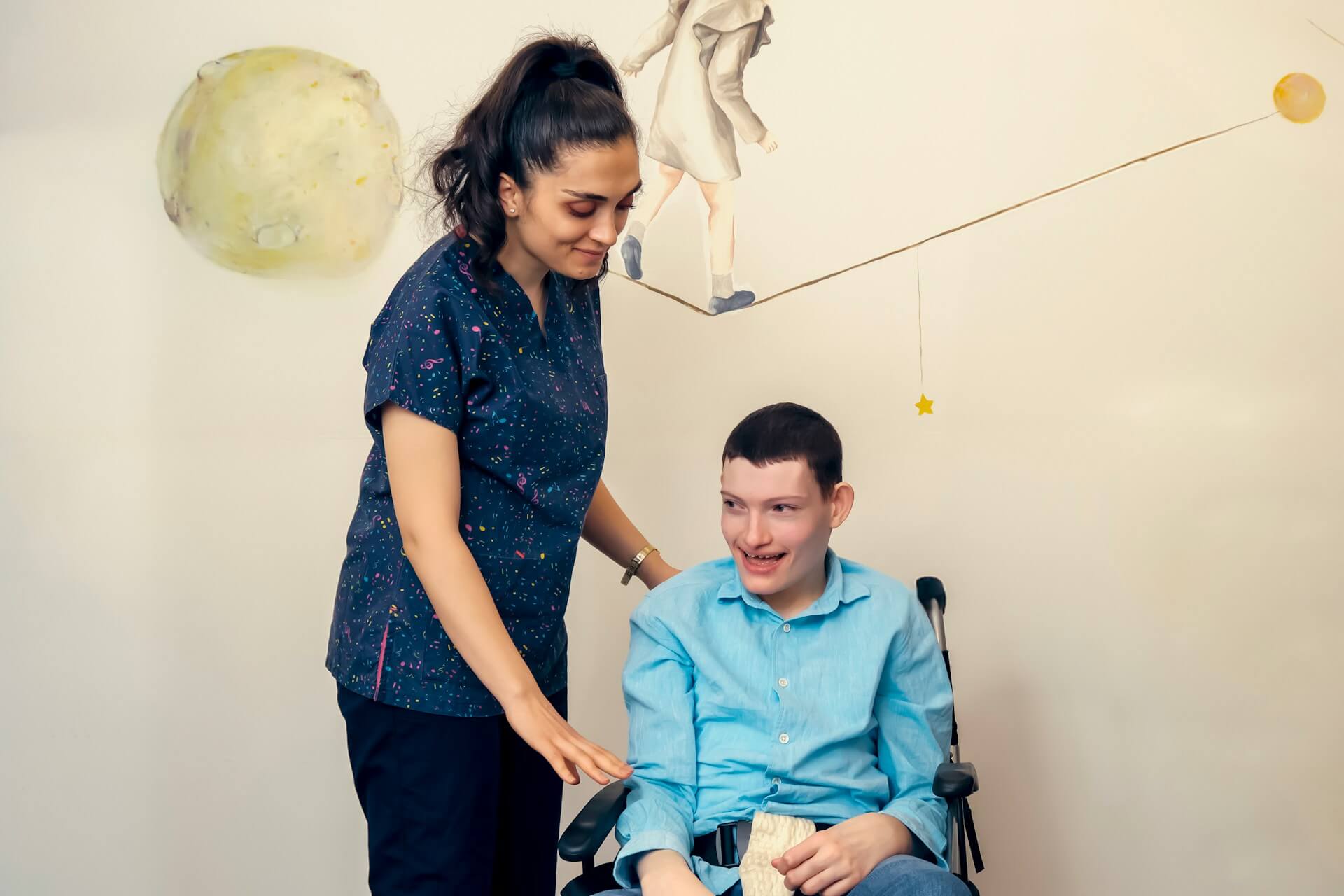
A lasting relationship between a participant and their support worker is built on trust. When the same support worker provides ongoing care, they develop a deep understanding of the participant’s unique needs, preferences, and communication style. This rapport makes it easier for participants to express themselves and for support workers to notice subtle changes in health or mood, allowing for quicker intervention and more personalised care.
Reduced Reliance on Crisis Services
A stable and supportive home environment can help prevent situations from escalating to a crisis point. With regular and reliable assistance, health issues can be identified and addressed early, and emotional distress can be managed with familiar coping strategies. This proactive approach reduces the need for emergency services and hospital admissions, leading to better long-term health outcomes.
The Role of Families and Coordinators
Guardians and support coordinators are vital in establishing and maintaining the continuity of services. By working collaboratively with a trusted NDIS provider, you can ensure the care plan is not only comprehensive but also consistently delivered.
Open communication is key. Regularly discussing the participant’s needs and preferences with the provider helps to align expectations and ensures that the support remains relevant and effective. When families and coordinators partner with a provider that prioritises consistency, it creates a unified team dedicated to the participant’s well-being. This collaboration provides immense peace of mind, knowing that your loved one is receiving stable, high-quality care from people who genuinely understand them.
How Reaching Abilities Delivers Stability in In-Home Care
At Reaching Abilities, we understand that exceptional care is built on a foundation of trust and consistency. We believe in treating every participant like family, and that means providing stable, reliable support that you can count on. Our experienced staff are highly trained in all aspects of in-home support, including specialised dementia care, and are dedicated to building lasting, meaningful relationships.
We go beyond the NDIS plan to ensure our participants feel safe, comfortable, and understood. Our personalised approach means we take the time to match participants with support workers who are not only qualified but also a great personality fit. For example, we know that for a participant with anxiety, having the same friendly face arrive each morning can make all the difference in starting the day with confidence. This commitment to participant stability is at the core of everything we do.
Your Partner in Consistent Care
Stability through in-home support is crucial for fostering independence, confidence, and overall well-being for NDIS participants. A predictable routine, delivered by familiar and trusted support workers, creates a secure environment where individuals can truly thrive. This consistency provides invaluable peace of mind for families and coordinators, knowing that their loved one is receiving compassionate and reliable care.
If you are looking for a provider that prioritises stability and treats participants like family, Reaching Abilities is here to help. Contact us today to discuss how our tailored in-home NDIS services can support your family’s needs in Perth and Sydney.

Ozer Tanlasi – Founder and Director of Reaching Abilities
Ozer Tanlasi is the Founder and Director of Reaching Abilities, an organisation dedicated to providing compassionate and empowering support to individuals with disabilities. With a background in allied health and a deep commitment to inclusive care, Ozer established Reaching Abilities to create a welcoming space where individuals can thrive, gain independence, and achieve their personal goals. Her approach is centred around understanding each individual’s unique needs and strengths, ensuring they receive tailored services that make a positive impact on their lives. Under Ozer’s leadership, Reaching Abilities has become known for its compassionate, client-focused approach, supporting individuals and families in building meaningful connections and reaching new potentials.