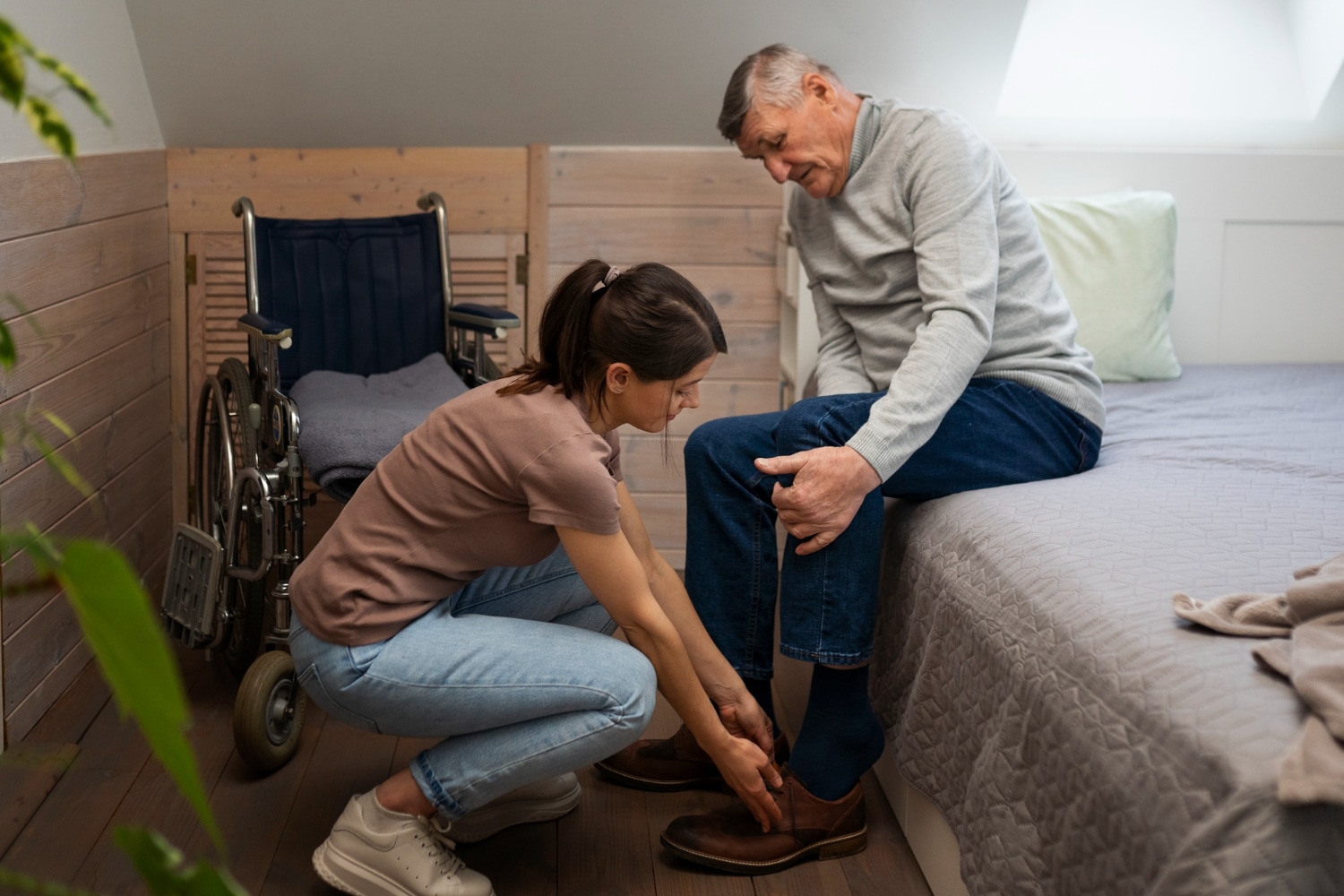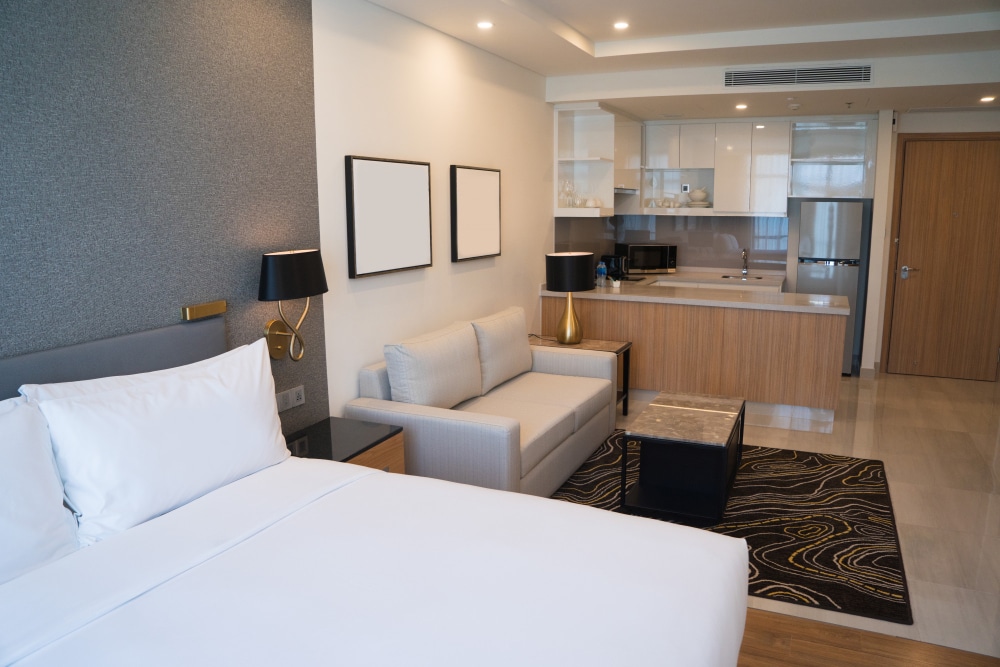
For families supporting adult children with disabilities, the question “what comes next?” carries profound weight. It’s about safety, capability, readiness, and the deeply personal journey toward independence. Supported Independent Living (SIL) accommodation offers a thoughtful answer; not just housing, but a comprehensive framework that builds essential life skills, nurtures confidence, and maintains safety while participants take meaningful steps toward autonomy.
SIL represents a transformative pathway for Australians with disabilities, bridging the gap between family homes or high-care settings and independent living. Rather than an abrupt leap, it provides a carefully structured environment where participants develop capabilities at their own pace, supported by trained professionals who understand their unique needs.
For over 30,000 NDIS participants across Australia, SIL has become a cornerstone service—one that transforms the overwhelming prospect of independence into an achievable, empowering reality.
Understanding SIL Accommodation
What is Supported Independent Living?
Supported Independent Living is an NDIS-funded support service designed to help people with disabilities live as independently as possible while receiving assistance with daily tasks and building life skills. It’s important to understand that SIL focuses on the supports provided, not the physical property itself.
SIL typically covers assistance with:
- Personal care (showering, dressing, grooming)
- Household tasks (cooking, cleaning, laundry)
- Medication management
- Budgeting and financial skills
- Community participation and social activities
- Building routines and independence skills
- Support with appointments and daily schedules
The service provides 24/7 support availability; staff are accessible whenever assistance is needed. This doesn’t mean constant supervision, but rather that help is always within reach during challenging moments or emergencies.
Who Benefits from SIL?
SIL is specifically designed for NDIS participants with higher support needs who require help with tasks throughout the day and potentially overnight. It’s most suitable for individuals who:
- Need help with personal care or daily living activities
- Require regular support or supervision during the day and possibly overnight
- Are living in settings where informal supports (such as family) are not sufficient
- Have complex physical, intellectual, or psychosocial support needs impacting their ability to live independently
SIL is not automatically included in every NDIS plan—it requires specific assessment and approval based on demonstrated need.
How SIL Differs from SDA
Many people confuse SIL with Specialist Disability Accommodation (SDA), but they serve different purposes:
SIL (Supported Independent Living) provides support services—the “how” of daily living assistance. It covers the staff and supports helping you with daily tasks.
SDA (Specialist Disability Accommodation) provides specialised housing—the “where.” It refers to purpose-built homes with extreme accessibility features for people with very high support needs or extreme functional impairment.
You can receive SIL without SDA (living in regular housing with support) or both together if you have extreme support needs requiring specialised housing. The rent, bills, and groceries remain the participant’s responsibility—NDIS SIL funding covers only the support services provided.
The Transition to Independent Living
Bridging the Gap from Family Home to Independence
Making the leap from living with family to independent living can feel overwhelming for anyone. For families supporting loved ones with disabilities, this transition brings unique considerations about safety, support, and readiness. The journey from dependence to independence doesn’t have to be daunting—with the right support structure in place, it can be empowering and transformative for everyone involved.
SIL accommodation offers a carefully balanced approach that bridges this gap, providing participants with opportunities to build essential life skills, strengthen confidence, and enjoy greater autonomy whilst maintaining access to professional support when needed.
Developing Essential Life Skills
One of SIL’s most critical functions is systematic skill development. Rather than simply doing tasks for participants, SIL support workers operate alongside clients to help them achieve their goals, contributing to greater self-reliance.
Skills built through SIL include:
- Personal care independence: Learning to manage showering, grooming, and dressing routines with decreasing levels of assistance as capability grows
- Household management: Building skills in cooking, meal planning, cleaning, laundry, and general home maintenance
- Financial literacy: Creating budgets, managing money, paying bills, and making purchasing decisions
- Community navigation: Learning to use public transportation, access community resources, and engage safely in community activities
- Social skills: Practicing communication, building relationships, and learning appropriate social behaviours in various contexts
- Health management: Understanding medication routines, attending appointments, and maintaining overall wellbeing
The focus on skill-building rather than dependency creation distinguishes quality SIL services. Support intensity can be adjusted as participants gain competence, gradually reducing assistance as independence increases.
Building Confidence and Self-Esteem
Achieving personal goals, whether completing household tasks independently, mastering new skills, or successfully navigating community activities, strengthens self-esteem and encourages positive self-image. This confidence-building is fundamental to sustainable independence.
SIL environments promote greater independence and decision-making. Staff empower clients to make their own decisions, giving them a stronger sense of autonomy and control over their lives. This empowerment transforms participants’ self-perception from “I need help with everything” to “I can do this with some support.”
Maintaining Safety While Fostering Independence
Perhaps the greatest concern for families contemplating transitions is safety. SIL addresses this by providing:
- 24/7 support availability: Staff are always accessible, ensuring help is available for emergencies, unexpected challenges, or times when participants need additional assistance
- Structured routines: Predictable daily routines provide stability while building independence within safe frameworks
- Professional oversight: Trained support workers monitor wellbeing, identify emerging issues early, and coordinate with allied health professionals as needed
- Crisis support: Immediate access to assistance during challenging situations or behavioural episodes
This safety net allows participants to take calculated risks, try new things, and build independence knowing support exists if needed.
Gradual Transition Options
Short-Term Accommodation (STA)
Not everyone is ready to leave the family home immediately. The NDIS offers flexible housing support options to help ease into independent living based on comfort level and needs.
Short-Term Accommodation (STA), also known as respite care, provides temporary stays in supported environments for up to 14 days. This is ideal for:
- Trying out a new living environment
- Giving carers a short break
- Building independence in a low-pressure setting
STA includes 24/7 support, meals, personal care, and activities in home-like environments, making it a significant first step toward SIL. Participants can experience what living away from family feels like without permanent commitment.
Medium-Term Accommodation (MTA)
Medium-Term Accommodation is designed for people who need temporary housing for up to 90 days while waiting for permanent SIL homes to be ready. This might be suitable if:
- You’ve secured SIL funding but are waiting on modifications or availability
- You’re in transition from hospital, rehabilitation, or crisis housing
- You want to live independently but still need time to adjust
These transitional options ensure individuals and families don’t feel rushed. They provide valuable time to prepare emotionally, adjust to new routines, and try different living arrangements before committing to full-time SIL homes.
Living Arrangements in SIL
Shared Living Environments
SIL commonly involves shared accommodation where people receiving SIL support live together in homes with typically 2-4 other residents. Shared living offers several benefits:
- Social connection: Built-in peer relationships reducing isolation
- Shared experiences: Learning alongside others facing similar challenges
- Cost-effectiveness: Shared support reduces individual funding requirements
- Community building: Creating small communities within households
Participants are carefully matched based on compatibility, support needs, interests, and personalities to ensure harmonious living arrangements.
Individual Living Options
SIL can also support individuals living alone or with partners, depending on needs and NDIS plans. Individual arrangements provide:
- Greater privacy and autonomy
- Personalised routines and lifestyle choices
- Opportunities for those who prefer solitary living
- Flexibility in daily scheduling
Individual SIL typically requires higher funding levels as supports aren’t shared, but it offers maximum independence for those ready for this step.
Location and Property Types
SIL services operate in various property types including villas, townhouses, apartments, and houses owned or leased by registered SIL providers. Properties can be located:
- Close to family and existing support networks
- Near community amenities, shops, and services
- In neighbourhoods matching participant preferences
- With good public transportation access
Participants have choice in selecting locations that suit their needs, preferences, and goals.
Personalised Support Plans
Individualised Approach
Each SIL resident has a personalised support plan designed around their specific needs and goals. Plans are reviewed regularly in partnership with the client, ensuring they remain relevant as circumstances, skills, and aspirations change.
Support plans address:
- Current capabilities and support requirements
- Short-term and long-term goals
- Skill development priorities
- Preferred routines and schedules
- Community participation interests
- Health and wellbeing needs
- Communication preferences
This person-centred approach ensures support enhances independence rather than creating dependency.
Roster of Care
Disability support workers operate according to personalised Rosters of Care that SIL providers design. The National Disability Insurance Agency (NDIA) must review and approve these rosters to ensure NDIS plans include required funding.
Rosters specify:
- Support intensity at different times of day
- Staff-to-participant ratios
- Specific tasks and assistance provided
- Emergency and on-call arrangements
- Variation for weekends and overnight support
Flexibility and Adaptability
Whether transitioning to more independence or requiring additional support, SIL housing is designed to accommodate shifts in needs. Support levels can increase during challenging periods or decrease as independence grows.
This flexibility ensures participants aren’t locked into rigid arrangements that don’t match changing circumstances.
Community Integration and Social Connection
Combating Isolation
One of SIL’s most significant benefits is reducing isolation—a major concern for people with disabilities. Living in SIL provides built-in social connection through housemates, regular interaction with support staff, and structured community participation.
Support workers promote community engagement by:
- Accompanying participants to community events
- Supporting participation in clubs and recreational activities
- Assisting with volunteer opportunities
- Promoting social outings and friendships
- Enabling access to libraries, cinemas, sporting events, and cultural activities
Building Social Skills
Regular interaction within community settings allows individuals to practice and refine communication skills. Engaging in group activities, attending workshops, or participating in local events provides platforms to communicate, share experiences, and build relationships.
These interactions are instrumental in improving interpersonal skills and creating meaningful connections beyond the SIL household.
Meaningful Relationships
SIL promotes development of diverse relationship types:
- Friendships with housemates and peers
- Connections with support workers based on trust and understanding
- Relationships with neighbours and community members
- Romantic relationships with appropriate support and boundaries
- Maintained family connections with easier visiting arrangements
The Role of Guardians and Coordinators
Guiding the Participant’s Journey
Guardians, family members, and support coordinators play essential roles throughout the SIL journey. They help ensure the participant’s voice is heard, their goals are clearly articulated, and their NDIS plan reflects their genuine needs and aspirations.
Aligning SIL Support with Participant Goals
Quality SIL services work collaboratively with guardians and coordinators to:
- Understand the participant’s background, preferences, and history
- Align daily support with broader NDIS plan goals
- Provide regular updates on progress and challenges
- Adjust support approaches based on feedback
- Maintain open communication channels
This collaborative approach ensures everyone is working toward the same goals, with the participant’s wellbeing and independence at the centre of all decisions.
Why Choose Reaching Abilities for SIL
Personalised, Family-First Approach
At Reaching Abilities, we understand that every participant’s journey is unique. Our personalised approach ensures support plans are tailored to individual needs, preferences, and goals. We work closely with families and guardians, recognising their invaluable insights and maintaining open communication throughout the journey.
Experience with Complex Care Needs
Our team brings specialised experience in supporting participants with complex needs, including those living with dementia. This expertise ensures participants receive appropriate, compassionate care that addresses both their physical and emotional needs.
Qualified, Compassionate Staff
Our support workers are not only highly qualified but also genuinely care about the people they support. They’re trained to promote independence, build skills, and provide encouragement whilst maintaining the safety and dignity of every participant.
Continuity of Care
We recognise that transitions can be challenging. That’s why we offer a continuum of services—from Medium Term Accommodation through to long-term SIL housing—ensuring participants experience consistency and familiarity as they progress toward greater independence.
Your Pathway to Independence Starts Here
SIL accommodation has transformed independent living options for Australians with disabilities, providing structured pathways from family homes or high-care settings toward meaningful independence. By balancing professional support with skill-building opportunities, maintaining safety while promoting autonomy, and creating communities where participants build confidence and capability, SIL transforms what could be an overwhelming transition into an achievable, empowering journey.
For families wondering how their loved ones can safely move toward independence, and for participants seeking greater autonomy while maintaining necessary supports, SIL provides not just accommodation but a comprehensive framework for building the skills, confidence, and connections that make independent living sustainable and fulfilling.
If you’re considering SIL accommodation for yourself or a loved one, the team at Reaching Abilities is here to help. Contact us today to discuss how our tailored SIL support can help you achieve your independence goals whilst maintaining the safety, care, and community connection you deserve.

Ozer Tanlasi – Founder and Director of Reaching Abilities
Ozer Tanlasi is the Founder and Director of Reaching Abilities, an organisation dedicated to providing compassionate and empowering support to individuals with disabilities. With a background in allied health and a deep commitment to inclusive care, Ozer established Reaching Abilities to create a welcoming space where individuals can thrive, gain independence, and achieve their personal goals. Her approach is centred around understanding each individual’s unique needs and strengths, ensuring they receive tailored services that make a positive impact on their lives. Under Ozer’s leadership, Reaching Abilities has become known for its compassionate, client-focused approach, supporting individuals and families in building meaningful connections and reaching new potentials.