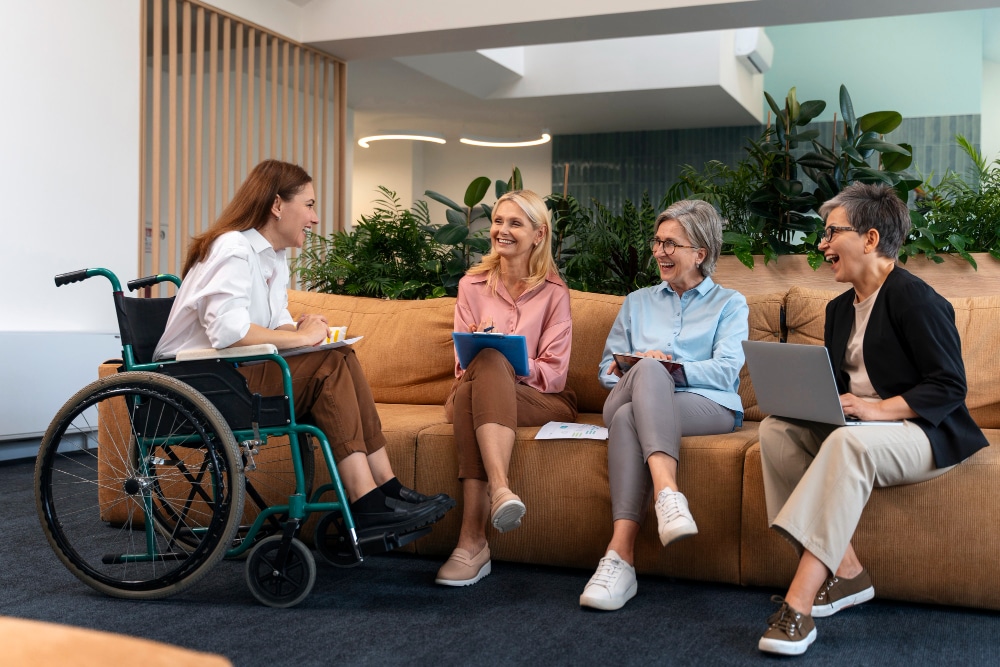
For NDIS participants and their families, the journey towards greater independence and fulfilment often centres on one fundamental goal: meaningful connection with the wider community. Community inclusion isn’t just about attending events or joining groups; it’s about creating genuine opportunities for participants to experience belonging, build confidence, and thrive in environments where they feel valued and supported.
At Reaching Abilities, we understand that true well-being stems from more than just meeting physical care needs. It flourishes when participants can actively engage with their communities, form meaningful relationships, and pursue their interests alongside others. This holistic approach to care recognises that social connection and community participation are essential foundations for mental health, personal growth, and overall quality of life.
What Community Inclusion Means in the NDIS Context
Community inclusion, within the NDIS framework, means supporting participants to take part in everyday activities that connect them to their local community. This involves more than simply being present—it’s about genuine participation in social, recreational, cultural, and civic life.
The NDIS recognises community participation as a vital component of participant well-being. Through funding categories like Assistance with Social and Community Participation, the scheme supports participants to engage in activities that align with their personal goals and interests.
Community inclusion activities might include:
- Joining local clubs or interest groups
- Attending community events and festivals
- Participating in skill-building workshops or classes
- Volunteering for causes that matter to participants
- Engaging in recreational activities like sports or arts programs
- Accessing public spaces such as libraries, parks, and community centres
These experiences provide participants with opportunities to meet new people, develop skills, and feel like valued members of their community. Rather than remaining isolated at home, participants can build rich, diverse social networks that enhance their sense of belonging and purpose.
The Link Between Inclusion and Well-Being
The connection between community inclusion and participant well-being is both profound and well-documented. Research consistently shows that social participation significantly improves mental health outcomes, with studies demonstrating strong correlations between social inclusion and reduced depression and anxiety.
Mental Health Benefits
When participants engage regularly with their communities, they experience measurable improvements in their mental well-being. Social inclusion helps combat feelings of isolation and loneliness—two factors that can significantly impact mental health. Regular interaction with others provides emotional support, reduces stress, and creates a sense of purpose that contributes to overall happiness.
For many participants, the simple act of being welcomed and valued in community settings can transform their self-perception and outlook. They begin to see themselves not primarily through the lens of their disability, but as active contributors to their community.
Physical Health Improvements
Community inclusion often leads to increased physical activity. Whether through joining sports clubs, attending dance classes, or simply walking to community events, participants naturally become more active. This physical engagement supports better overall health, improved mobility, and enhanced energy levels.
Building Social Networks
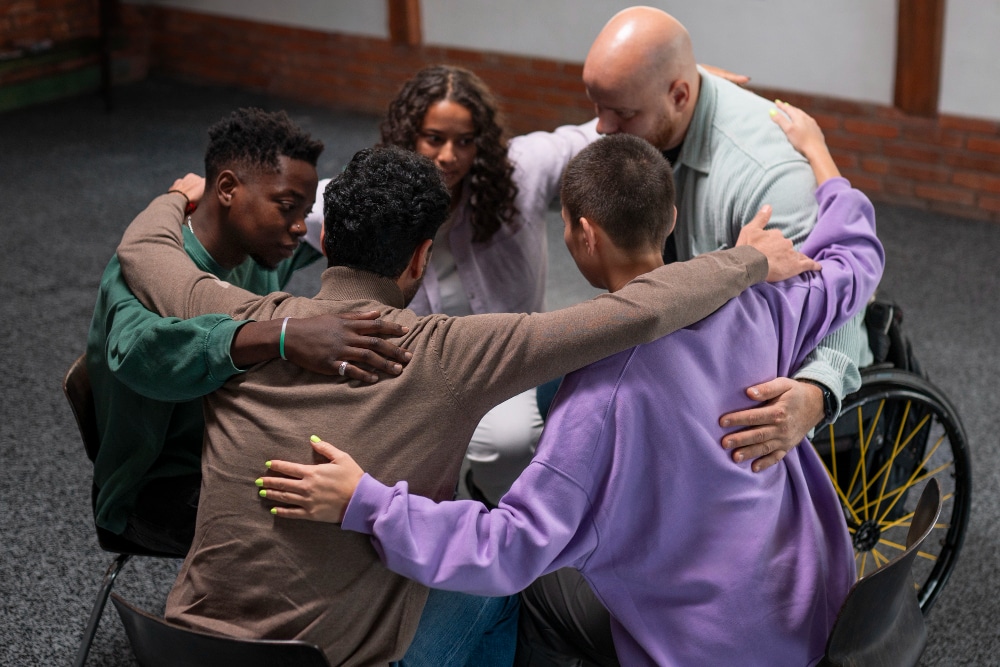
Through community participation, participants develop meaningful relationships that extend beyond formal support services. These connections provide informal support networks, friendship, and a sense of belonging that enriches daily life. Strong social networks also serve as protective factors against mental health challenges and contribute to greater resilience.
Building Confidence and Skills Through Participation
Community participation serves as a powerful catalyst for personal growth and skill development. When participants engage in community activities, they’re not just socialising—they’re building practical abilities that enhance their independence and confidence.
Developing Communication Skills
Regular interaction in community settings provides natural opportunities to practice and refine communication. Whether chatting with fellow group members, asking questions during workshops, or sharing experiences at events, participants strengthen their ability to express themselves and connect with others.
Building Practical Life Skills
Community activities often involve practical tasks that develop valuable life skills. Planning outings requires organisation and time management. Participating in group activities teaches collaboration and compromise. Attending workshops might involve learning new hobbies or practical abilities that participants can apply in daily life.
Growing Confidence and Self-Esteem
Perhaps most importantly, successful community participation builds confidence. Each positive experience—completing a project, making a new friend, or mastering a new skill—reinforces a participant’s belief in their own capabilities. This growing confidence often extends into other areas of life, supporting greater independence overall.
At Reaching Abilities, we’ve witnessed countless participants transform through community engagement. We’ve seen individuals who initially felt anxious about social situations gradually become confident participants who look forward to their weekly activities. These transformations speak to the profound impact that genuine inclusion can have on a person’s sense of self and well-being.
The Role of Caregivers and Coordinators
While community inclusion benefits participants directly, its success relies significantly on the support and encouragement of caregivers, families, and support coordinators. These individuals play crucial roles in facilitating meaningful community participation.
Encouraging Participation
Family members and caregivers can actively encourage participants to explore community opportunities. This might involve researching local groups, attending initial sessions together, or simply offering reassurance when participants feel uncertain about trying something new.
Personalised Activity Planning
Support coordinators work closely with participants to identify activities that align with their unique interests, goals, and abilities. Rather than taking a one-size-fits-all approach, coordinators help participants choose activities that genuinely interest them and support their personal development goals.
This personalised approach ensures that community participation feels meaningful rather than obligatory. When participants engage in activities they’re genuinely interested in, they’re more likely to persist, form connections, and experience the full benefits of inclusion.
Providing Practical Support
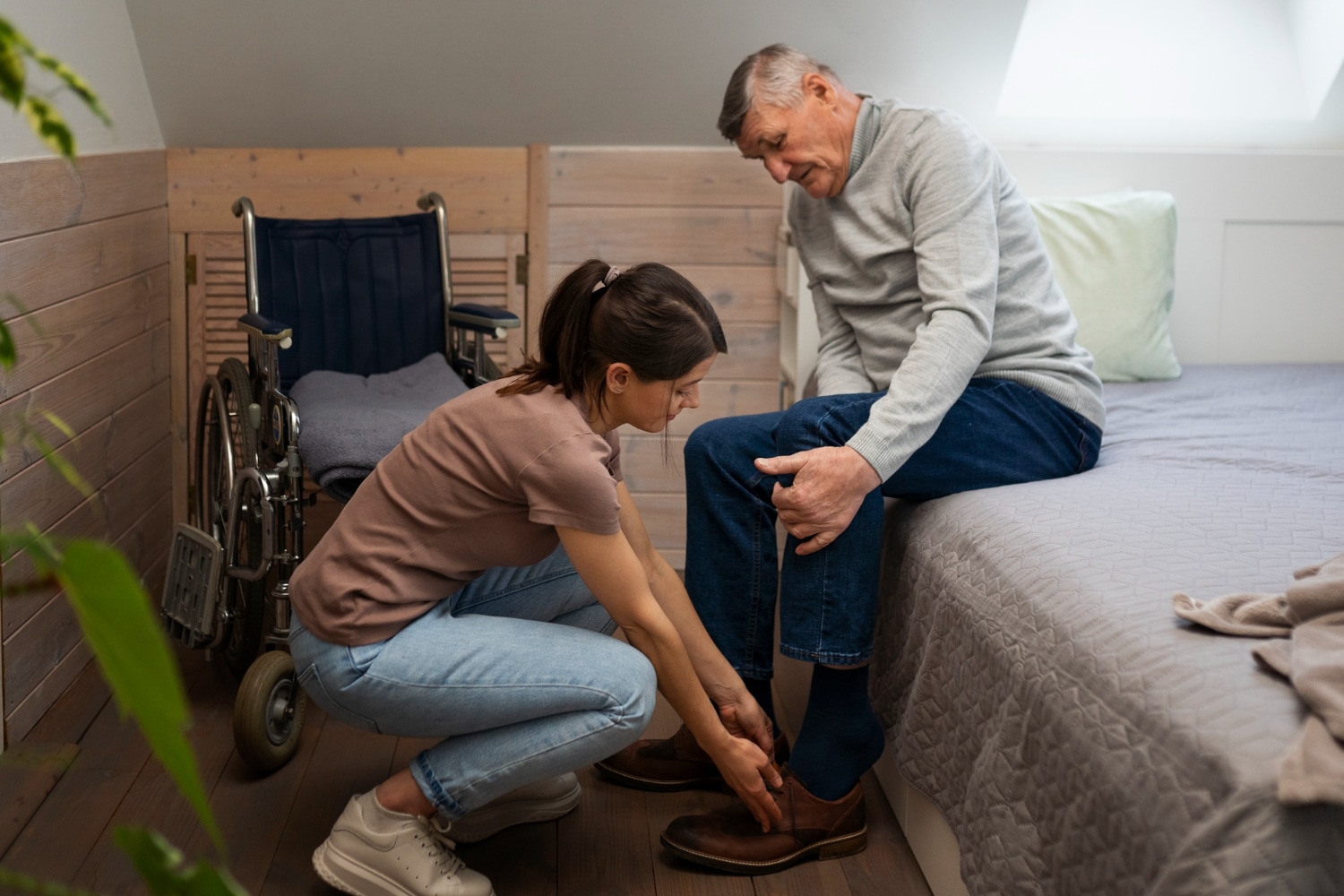
Sometimes, the main barrier to community participation isn’t interest or motivation—it’s practical challenges like transportation, accessibility concerns, or anxiety about navigating new environments. Caregivers and support workers can provide essential practical assistance, helping participants overcome these barriers and access the community activities they want to join.
How Reaching Abilities Promotes Community Inclusion
At Reaching Abilities, we’re deeply committed to supporting our participants’ community inclusion goals. We recognise that meaningful participation in community life is fundamental to well-being, and we’ve developed our services to actively promote and facilitate genuine inclusion.
Tailored Support Plans
We work closely with each participant to understand their unique interests, goals, and support needs. This collaborative approach allows us to develop personalised plans that connect participants with community activities that genuinely resonate with them. Whether someone is passionate about art, sport, music, or simply wants to meet new people, we help identify suitable opportunities.
Assistance with Social and Community Participation
Through our NDIS-funded community participation services, we provide practical support that enables participants to engage confidently in community activities. Our experienced support workers accompany participants to events, assist with transportation, and provide whatever level of assistance is needed to ensure successful participation.
Group Activities and Social Programs
We regularly organise group outings and activities designed to promote social inclusion. These events provide structured opportunities for participants to connect with others, try new experiences, and build their confidence in community settings. From cultural events to recreational activities, we ensure diverse options that cater to varied interests.
Skill Development Focus
Our community participation support isn’t just about attendance—it’s about growth. We focus on helping participants develop the social skills, communication abilities, and confidence they need to increasingly navigate community settings independently. This skill-building approach supports long-term independence and well-being.
Building Natural Supports
While we provide professional support, we also recognise the importance of helping participants develop natural support networks within their communities. We encourage the formation of genuine friendships and connections that extend beyond formal support services, creating sustainable social networks that endure over time.
Taking the Next Step
Community inclusion offers transformative benefits for NDIS participants, enhancing mental health, building confidence, developing skills, and creating genuine connections. Yet realising these benefits requires the right support, encouragement, and opportunities.
If you’re a caregiver, family member, or support coordinator looking to enhance community participation for someone in your care, Reaching Abilities is here to help. Our experienced team understands the unique challenges participants face and the strategies that successfully promote meaningful inclusion.
We’re committed to supporting participants across Perth and Sydney to access their communities confidently, pursue their interests, and build the social connections that enrich life. Through personalised support planning, practical assistance, and a genuine commitment to participant well-being, we help make community inclusion a reality.
Contact Reaching Abilities today to discuss how our services can support meaningful community inclusion for you or someone you care for. Together, we can create pathways to greater connection, confidence, and well-being.
Ozer Tanlasi – Founder and Director of Reaching Abilities
Ozer Tanlasi is the Founder and Director of Reaching Abilities, an organisation dedicated to providing compassionate and empowering support to individuals with disabilities. With a background in allied health and a deep commitment to inclusive care, Ozer established Reaching Abilities to create a welcoming space where individuals can thrive, gain independence, and achieve their personal goals. Her approach is centred around understanding each individual’s unique needs and strengths, ensuring they receive tailored services that make a positive impact on their lives. Under Ozer’s leadership, Reaching Abilities has become known for its compassionate, client-focused approach, supporting individuals and families in building meaningful connections and reaching new potentials.