Picture this: Marcus sits quietly at home most days, watching television and scrolling through his phone. His mum worries about his isolation since finishing school two years ago. Then, through his NDIS community participation supports, Marcus joins a local cooking class. Within weeks, he’s chatting with fellow participants, learning knife skills, and planning meals with newfound confidence. This transformation isn’t unusual—it’s the power of community participation at work.
Community participation does more than fill time or provide entertainment. It creates genuine opportunities for NDIS participants to develop essential life skills, build meaningful relationships, and gain the confidence needed for greater independence. For coordinators, caregivers, and families, understanding these benefits opens doors to a richer, more fulfilling life for the people they support.
The Role of Community Participation in NDIS Plans
What Is Community Participation?
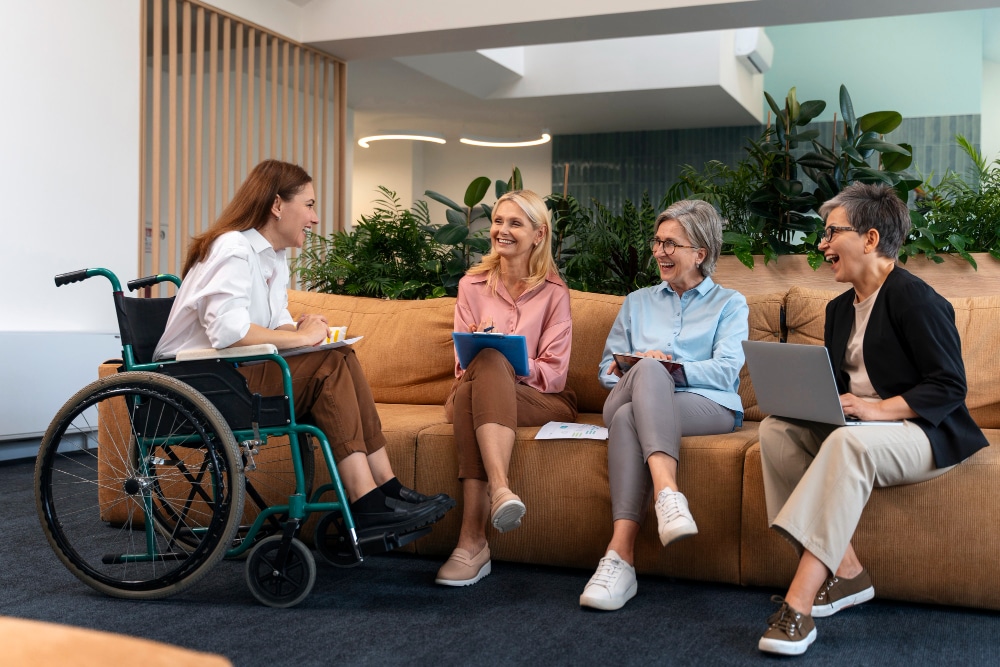
Community participation refers to NDIS-funded supports that enable participants to engage in social and community activities. These aren’t just recreational outings—they’re purposeful opportunities designed to help participants connect with their community, develop new skills, and build confidence in social settings.
Under the NDIS framework, community participation falls within the Social and Community Participation support category. This funding covers group-based activities, one-on-one support to attend community events, and programs specifically designed to foster social inclusion and skill development.
Why It’s Essential for Personal Growth
Community participation serves as a bridge between the safety of home and the wider world. Through structured activities and supported experiences, participants gradually build the confidence to navigate new environments, interact with diverse groups of people, and tackle challenges they might never have attempted alone.
Research consistently shows that meaningful social engagement reduces anxiety and depression whilst improving overall mental health. For NDIS participants, community activities provide the perfect environment to practise communication skills, problem-solving, and emotional regulation in real-world settings.
Lifelong Skills Developed Through Community Activities
Communication and Social Interaction
Every conversation in a group cooking class, every introduction at a community garden, and every shared laugh during a recreational activity helps participants strengthen their communication skills. These natural interactions teach valuable lessons about reading social cues, expressing needs clearly, and building rapport with others.
Group activities also provide safe spaces to practise conflict resolution and teamwork. Whether it’s deciding on a group art project or coordinating a community volunteering effort, participants learn to negotiate, compromise, and work collaboratively—skills that prove invaluable in all areas of life.
Building Confidence and Self-Esteem
There’s something magical about mastering a new skill in a supportive environment. Whether it’s successfully following a recipe, completing a craft project, or contributing to a group discussion, these achievements build genuine self-confidence. Participants often discover hidden talents and interests they never knew existed.
The sense of belonging that comes from regular participation in community activities cannot be understated. When participants feel valued and accepted within a group, their self-esteem naturally flourishes, creating a positive cycle of engagement and personal growth.
Practical Life Skills
Community activities offer countless opportunities to practise essential daily living skills. Planning an outing teaches time management and organisational skills. Managing money for a café visit reinforces budgeting concepts. Using public transport to reach activities builds navigation and independence skills.
These practical experiences occur naturally within the context of enjoyable activities, making learning feel less like work and more like living. Participants often don’t realise they’re developing crucial life skills because they’re simply having fun and engaging with their interests.
Emotional Resilience and Adaptability
Community settings naturally present unexpected situations—a cancelled bus, a change in activity plans, or meeting someone new. These experiences, whilst initially challenging, help participants develop emotional resilience and adaptability. With support from coordinators and fellow participants, they learn to navigate change with increasing confidence.
Regular exposure to new environments and experiences also helps reduce anxiety about unfamiliar situations. What once seemed overwhelming becomes manageable through repeated positive experiences and growing confidence.
Examples of Skill-Building Community Activities
Group Workshops and Classes
Cooking classes combine multiple skill areas: following instructions, measuring ingredients, time management, and social interaction. Art workshops encourage creativity whilst developing fine motor skills and the ability to express emotions through different mediums. Music programs can improve coordination, memory, and provide emotional outlets whilst building connections with others who share similar interests.
Fitness programs offer obvious physical benefits whilst also building routine, goal-setting skills, and social connections. The key is matching activities to individual interests and goals, ensuring engagement remains high and learning feels natural.
Supported Outings
Regular visits to local markets teach shopping skills, money management, and social interaction with community members. Museum or gallery visits expand knowledge and cultural awareness whilst practising navigation and appropriate social behaviour in different settings.
Community events like festivals or local gatherings provide opportunities to experience diverse environments, interact with the broader community, and develop comfort in crowded or bustling settings. These experiences gradually expand participants’ comfort zones whilst building confidence in community engagement.
Volunteering Opportunities
Volunteering offers unique benefits by shifting focus from receiving support to providing it. Whether it’s helping at a local charity shop, participating in community garden maintenance, or assisting with events, volunteering builds empathy, responsibility, and a sense of purpose.
The routine aspects of regular volunteering help participants develop reliability and commitment whilst the social interactions involved strengthen communication skills. Many participants find deep satisfaction in contributing meaningfully to their community’s wellbeing.
How Coordinators and Caregivers Can Encourage Participation
Choosing Activities That Align With Goals
Successful community participation starts with understanding each participant’s individual interests, goals, and current skill levels. A participant passionate about animals might thrive in a pet therapy program, whilst someone interested in technology could benefit from computer classes or digital art workshops.
Consider both immediate interests and longer-term goals when selecting activities. A participant hoping to develop employment skills might benefit from volunteering experiences that provide work-like environments and responsibilities.
Providing Emotional Support and Encouragement
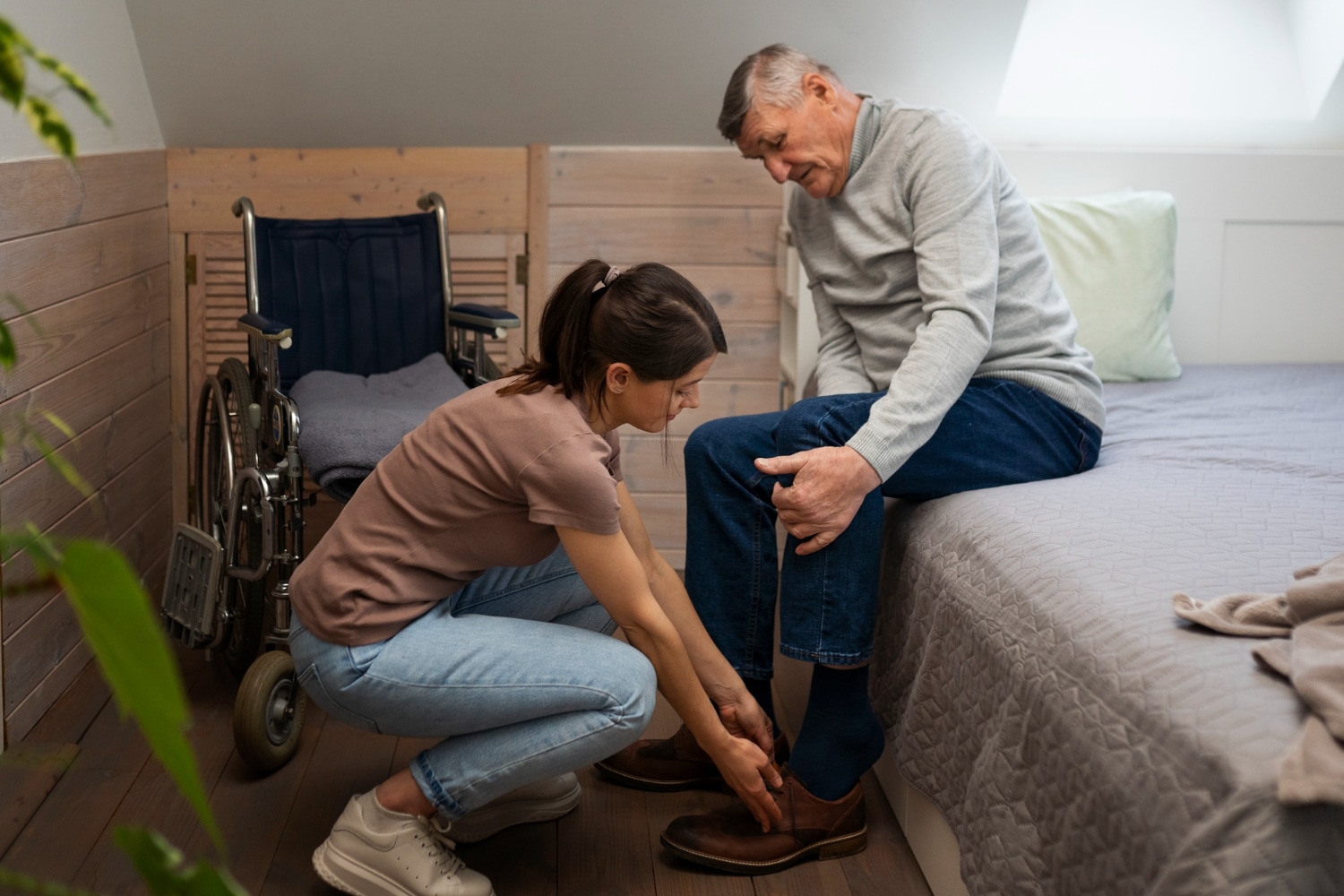
Initial participation in community activities can feel overwhelming for many participants. Coordinators and caregivers play crucial roles in providing reassurance, celebrating small victories, and helping participants navigate any challenges that arise.
Building confidence often requires starting small and gradually increasing participation levels. Begin with shorter activities or smaller groups before progressing to longer or more intensive programs. This approach helps build positive associations with community engagement whilst avoiding overwhelming experiences that might discourage future participation.
How Reaching Abilities Supports Lifelong Skill Development
At Reaching Abilities, we understand that effective community participation requires careful planning and personalised support. Our approach focuses on understanding each participant’s unique interests, goals, and support needs to create meaningful community engagement opportunities.
Our experienced support team works closely with participants and their families to identify suitable activities and provide the right level of support for successful participation. We believe in gradual skill building, starting with comfortable environments and progressively expanding opportunities as confidence grows.
Through our personalised approach, we help participants discover new interests, develop practical skills, and build lasting friendships within their community. Our community participation programs are designed to nurture individual strengths whilst addressing specific skill development goals outlined in each participant’s NDIS plan.
We also coordinate closely with other support services to ensure a holistic approach to skill development. Whether participants need additional in-home support or NDIS support coordination services, we work collaboratively to maximise outcomes and ensure all aspects of their NDIS plan work together effectively.
Building Independence Through Small Steps
Community participation isn’t about dramatic transformations overnight. Instead, it’s about consistent, small steps that accumulate into significant personal growth over time. Every conversation started, every new skill practised, and every challenge overcome contributes to building the confidence and capabilities needed for greater independence.
The beauty of community participation lies in its natural, enjoyable approach to skill development. Unlike formal training programs, community activities feel like leisure and social engagement whilst simultaneously building crucial life skills. This approach ensures learning remains sustainable and enjoyable rather than feeling like work or obligation.
Most importantly, community participation helps NDIS participants recognise their own potential and capabilities. Through positive experiences and gradual skill development, they begin to see themselves not just as people with disabilities, but as valuable community members with unique contributions to make.
For coordinators, caregivers, and families supporting NDIS participants, investing in meaningful community participation opportunities represents one of the most valuable ways to promote long-term independence and wellbeing. The skills developed through these experiences create foundations for lifelong growth and community connection.
Ozer Tanlasi – Founder and Director of Reaching Abilities
Ozer Tanlasi is the Founder and Director of Reaching Abilities, an organisation dedicated to providing compassionate and empowering support to individuals with disabilities. With a background in allied health and a deep commitment to inclusive care, Ozer established Reaching Abilities to create a welcoming space where individuals can thrive, gain independence, and achieve their personal goals. Her approach is centred around understanding each individual’s unique needs and strengths, ensuring they receive tailored services that make a positive impact on their lives. Under Ozer’s leadership, Reaching Abilities has become known for its compassionate, client-focused approach, supporting individuals and families in building meaningful connections and reaching new potentials.