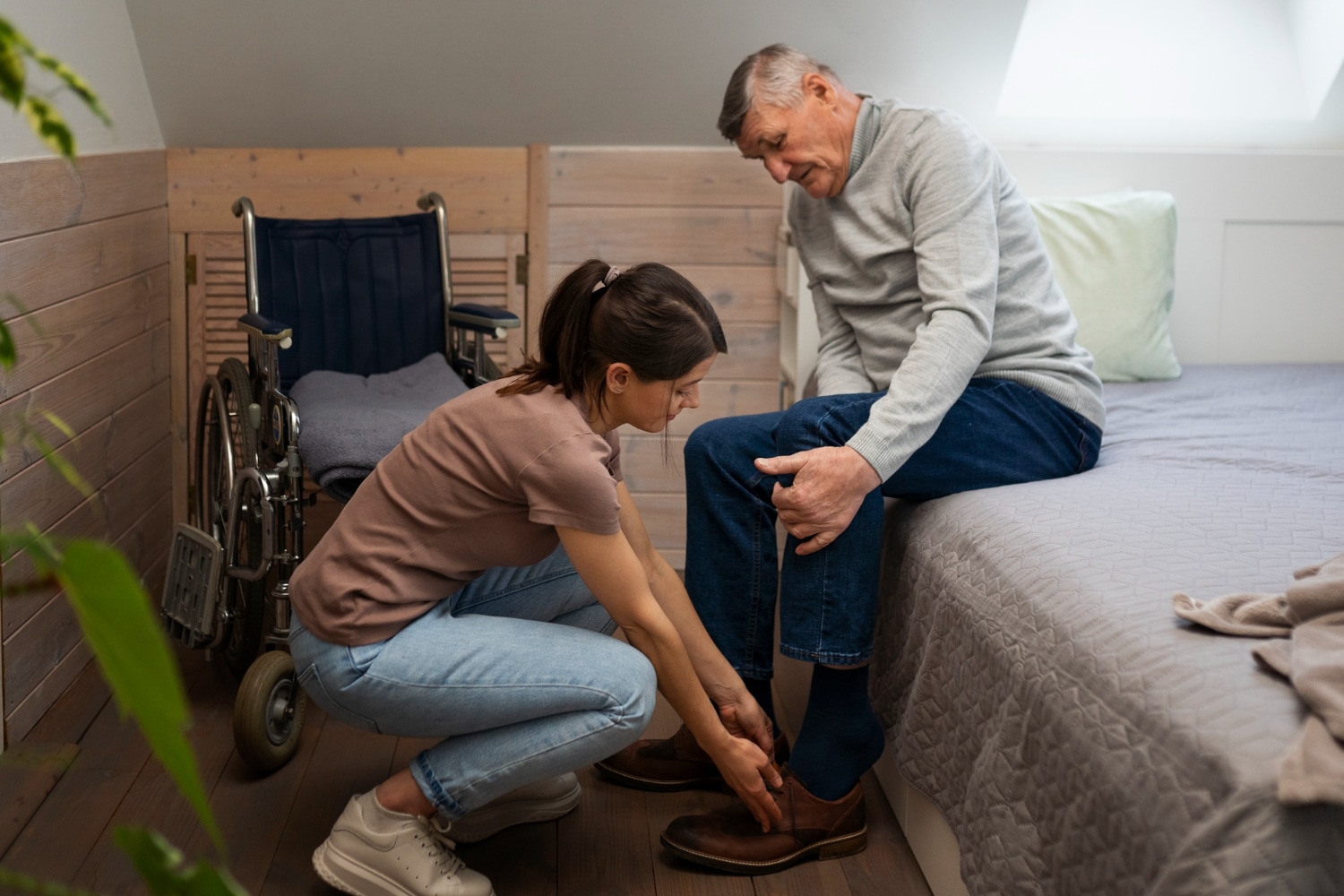
Finding the right living environment is one of the most significant decisions a family or support coordinator will make for an NDIS participant. The right home does more than provide shelter; it shapes physical, emotional, and social wellbeing. When participants feel safe, supported, and empowered, their quality of life improves in remarkable ways.
For many, Supported Independent Living (SIL) offers a thoughtful answer to this need. It’s not just about housing, but a complete framework designed to build essential life skills, nurture confidence, and maintain safety as participants take meaningful steps towards independence.
The positive impact of SIL accommodation on quality of life is clear, offering a pathway to greater autonomy and personal growth. This article will explore the tangible benefits of SIL, what families and coordinators should look for in a high-quality home, and how a collaborative approach ensures participants can truly thrive.
Understanding SIL Accommodation
In simple terms, Supported Independent Living (SIL) is an NDIS support that helps you live as independently as possible. This usually involves living in a home with other NDIS participants, with 24/7 support from a team of trained professionals. This support is tailored to each person and can help with everything from personal care and meal preparation to managing appointments and engaging with the community.
SIL is different from other supports like in-home care, where support workers visit your own home for a set number of hours. It’s also distinct from respite or Short Term Accommodation, which provides temporary stays. The core purpose of SIL is to create a stable, long-term home environment where participants can build their independence, improve their daily living skills, and feel secure. It’s a model built on the NDIS principles of choice, control, and personalised support, empowering participants to live life on their own terms.
How SIL Accommodation Enhances Quality of Life
When SIL is delivered with care and a person-centred focus, it can transform a participant’s daily experience. The benefits extend across all areas of life, fostering a sense of purpose and wellbeing.
Improved Independence and Confidence
One of the most significant NDIS SIL benefits is the opportunity for independence building. With daily living support, participants learn and practise essential skills like cooking, cleaning, budgeting, and managing their own schedules. Taking ownership of these routines builds immense confidence and self-esteem, showing participants that they are capable and in control of their own lives.
Greater Safety and Stability
For many families, knowing their loved one is safe is the highest priority. High-quality SIL homes provide structured and supported environments where risks are minimised. Trained support staff are available around the clock to assist with health needs, manage emergencies, and provide consistent supervision. This stability reduces anxiety for both participants and their families, creating a secure foundation for personal growth.
Enhanced Emotional Wellbeing
A predictable and respectful home environment has a profound effect on emotional wellbeing. In a well-managed SIL home, participants are treated with dignity, and their personal preferences are honoured. Consistent routines help reduce stress, while supportive interactions with staff and housemates foster a sense of belonging. This emotional security is crucial for mental resilience and overall happiness.
Social Connection and Community Involvement
Loneliness and social isolation are major challenges for many people with a disability. SIL accommodation helps overcome this by creating a natural social network. Living with housemates provides built-in companionship and the chance to form meaningful friendships. Furthermore, support staff actively encourage and facilitate community inclusion, helping participants join local clubs, attend events, or find volunteer roles.
Personal Choice and Control
True quality of life comes from having a say in your own future. In a quality SIL setting, support is goal-focused. Staff work with participants to identify their aspirations and create pathways to achieve them. This might involve learning a new skill, finding a job, or pursuing a hobby. By having control over their daily decisions and long-term participant goals, individuals feel empowered and motivated.
Key Elements of High-Quality SIL Homes
When evaluating a SIL provider, it’s important to look beyond the physical building. The culture and practices within the home are what truly determine the quality of life for participants. Families and coordinators should look for:
- Trained and Consistent Support Staff: Staff should be well-trained in disability support, person-centred practices, and behaviour support. Consistency in staffing helps build trust and strong relationships.
- Clear Routines and Personalised Support Plans: Each participant should have a detailed and individualised support plan that reflects their goals, preferences, and needs. Routines should be clear but flexible enough to allow for personal choice.
- Well-Maintained and Accessible Living Spaces: The home should be clean, safe, and fully accessible. Participants should be encouraged to personalise their own rooms to create a space that feels like their own.
- Respectful Communication and Rights-Based Practice: Communication between staff, participants, and families should be open, honest, and respectful. The provider’s culture must be grounded in upholding the rights and dignity of every individual.
- Collaborative Goal-Setting: The best providers work in partnership with participants and their support networks to set and review goals, ensuring everyone is working together towards positive outcomes.
The Role of Families, Guardians and Coordinators
Families, guardians, and support coordinators are essential partners in ensuring a positive SIL experience. Your involvement helps create a holistic support system that keeps the participant at the centre. This shared responsibility includes:
- Monitoring Wellbeing: Regular check-ins and visits allow you to observe the participant’s physical and emotional state and ensure they are happy and comfortable in their home.
- Providing Feedback: Open communication with the SIL provider is crucial. Sharing feedback—both positive and constructive—helps the provider improve their services and address any issues promptly.
- Shaping Goals: You hold valuable insights into the participant’s history, preferences, and aspirations. Collaborating with the SIL team on goal-setting ensures that support plans are meaningful and aligned with the participant’s long-term vision.
By working together, families and providers can ensure participants feel respected, safe, and valued in their home.
How Reaching Abilities Creates Positive Outcomes in SIL
At Reaching Abilities, our approach to Supported Independent Living is built on a foundation of respect, empowerment, and genuine care. We focus on creating positive Supported Independent Living outcomes by prioritising:
- Person-Centred Planning: We work closely with each participant and their support network to develop a tailored plan that reflects their unique goals and preferences.
- Commitment to Independence-Building: Our support is designed to empower participants, helping them develop the skills and confidence needed to live as independently as possible.
- Safe and Structured Home Environments: We provide safe, welcoming, and well-maintained homes where participants feel secure and supported.
- Focus on Emotional and Social Wellbeing: We foster a positive and inclusive household culture that encourages friendships, community participation, and a strong sense of belonging.
Practical Tips for Choosing the Right SIL Accommodation
Making the right choice requires careful research and observation. Here are some practical tips to guide you:
- Questions to Ask: Ask providers about their staff training, how they handle conflict between residents, and how they support community involvement.
- What to Observe During a Tour: Pay attention to the interactions between staff and residents. Do they seem respectful and friendly? Is the home clean and well-maintained?
- Indicators of a Supportive Culture: Look for signs that residents have choice and control, such as personalised bedrooms and flexibility in daily schedules.
- What a Good Support Plan Contains: A quality plan should be detailed, goal-oriented, and clearly outline the specific supports to be provided.
Finding a Home That Nurtures Growth
When delivered well, SIL accommodation can be truly transformative, significantly boosting an NDIS participant’s quality of life. It offers a pathway to greater independence, safety, and emotional wellbeing within a supportive community.
For families and coordinators, the key is to prioritise environments that champion independence and honour personal choice. By asking the right questions and looking for providers committed to rights-based practice, you can find a home where your loved one will not just live, but truly thrive.
If you’re ready to approach SIL decisions with confidence,contact us to learn more about creating positive outcomes.

Ozer Tanlasi – Founder and Director of Reaching Abilities
Ozer Tanlasi is the Founder and Director of Reaching Abilities, an organisation dedicated to providing compassionate and empowering support to individuals with disabilities. With a background in allied health and a deep commitment to inclusive care, Ozer established Reaching Abilities to create a welcoming space where individuals can thrive, gain independence, and achieve their personal goals. Her approach is centred around understanding each individual’s unique needs and strengths, ensuring they receive tailored services that make a positive impact on their lives. Under Ozer’s leadership, Reaching Abilities has become known for its compassionate, client-focused approach, supporting individuals and families in building meaningful connections and reaching new potentials.