Families and support coordinators share a common concern when selecting NDIS accommodation: ensuring their loved ones live in environments that maintain the highest standards of hygiene and safety. This concern becomes even more critical when considering that many NDIS participants have compromised immune systems or complex health conditions that make them particularly vulnerable to infections and illness.
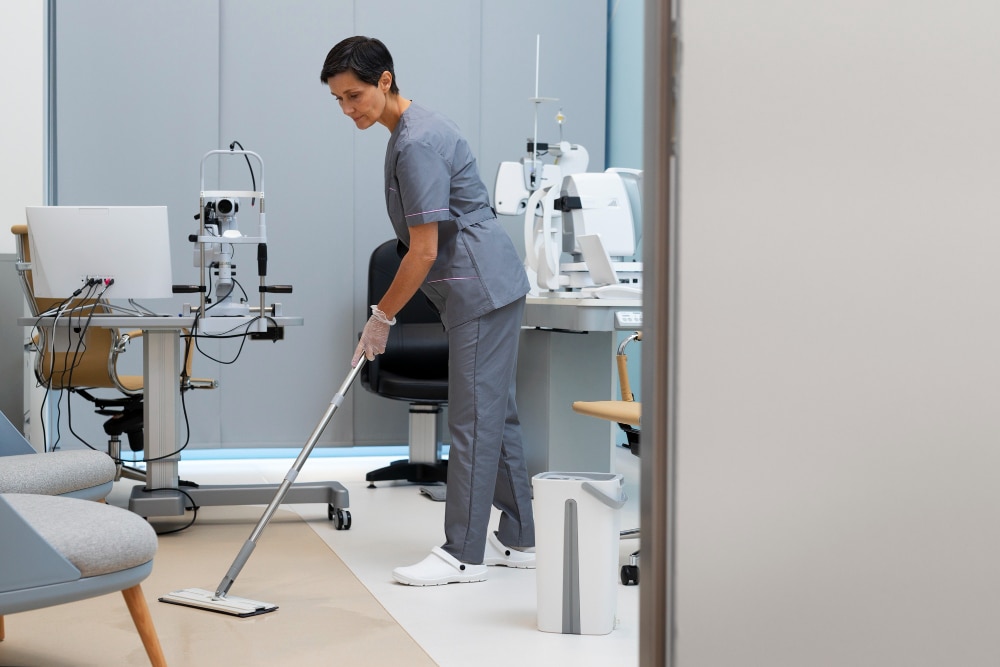
Proper NDIS accommodation sanitisation goes far beyond basic tidiness—it’s about creating spaces where participants can thrive with dignity, comfort, and peace of mind. When accommodation providers prioritise comprehensive cleaning and sanitisation protocols, they’re not just maintaining buildings; they’re safeguarding the health and wellbeing of some of Australia’s most vulnerable community members.
Why Sanitisation Matters in NDIS Accommodation
Protecting Participants’ Health and Safety
NDIS participants often face unique health challenges that make them more susceptible to infections than the general population. Research shows that individuals with disabilities are at significantly higher risk of developing complications from common illnesses, with some studies indicating infection rates can be up to 50% higher in shared living environments without proper sanitisation protocols.
Consider Maria, a 28-year-old participant with cerebral palsy who moved into supported accommodation last year. Before her provider implemented rigorous sanitisation standards, she experienced frequent respiratory infections that required multiple hospital visits.
Once comprehensive cleaning protocols were established—including regular disinfection of high-touch surfaces and improved air quality management—Maria’s health stabilised dramatically. She now enjoys greater independence and hasn’t required hospitalisation in over eight months.
The reality is that many NDIS participants have weakened immune systems due to their primary disability, medications, or underlying health conditions. A single outbreak of gastroenteritis or respiratory illness in shared accommodation can have devastating consequences, not just for individual health but for the entire community’s wellbeing.
Supporting Comfort and Dignity
A clean, well-maintained living environment does more than prevent illness—it actively promotes mental health and emotional wellbeing. When participants wake up each day in spaces that are fresh, organised, and hygienic, it reinforces their sense of self-worth and dignity.
James, who lives in a group home in Perth, recently shared how the introduction of professional sanitisation services transformed his daily experience. “I used to feel embarrassed about bringing friends over,” he explained. “But now I’m proud of where I live. The clean, fresh environment makes me feel respected and valued.” This transformation illustrates how proper sanitisation supports not just physical health, but social connection and emotional wellbeing.
Meeting NDIS Provider Standards
The NDIS Quality and Safeguards Commission has established clear expectations for accommodation providers regarding hygiene and safety standards. These requirements aren’t bureaucratic box-ticking exercises—they’re evidence-based standards designed to protect participants’ health and ensure quality care.
Providers must demonstrate compliance with infection control protocols, maintain detailed cleaning schedules, and ensure all staff receive appropriate training in hygiene procedures. Failure to meet these standards can result in serious consequences, including loss of registration and, more importantly, compromised participant safety.
Common Areas That Require Extra Attention
High-Traffic Shared Spaces
Kitchens, bathrooms, and living areas see constant use throughout the day, making them hotspots for bacterial and viral transmission. These spaces require systematic sanitisation approaches that go beyond surface-level cleaning.
In kitchen areas, cross-contamination poses particular risks. Food preparation surfaces, refrigerator handles, and cooking equipment must be sanitised using hospital-grade products that eliminate harmful pathogens whilst remaining safe for food contact. The two-step cleaning process—first removing visible dirt and debris, then applying appropriate disinfectants—ensures comprehensive sanitisation.
Shared bathrooms present unique challenges, as they’re environments where moisture and warmth can encourage bacterial growth. Regular disinfection of toilets, sinks, shower areas, and floor surfaces prevents the buildup of harmful microorganisms that could cause serious infections.
Bedrooms and Personal Spaces
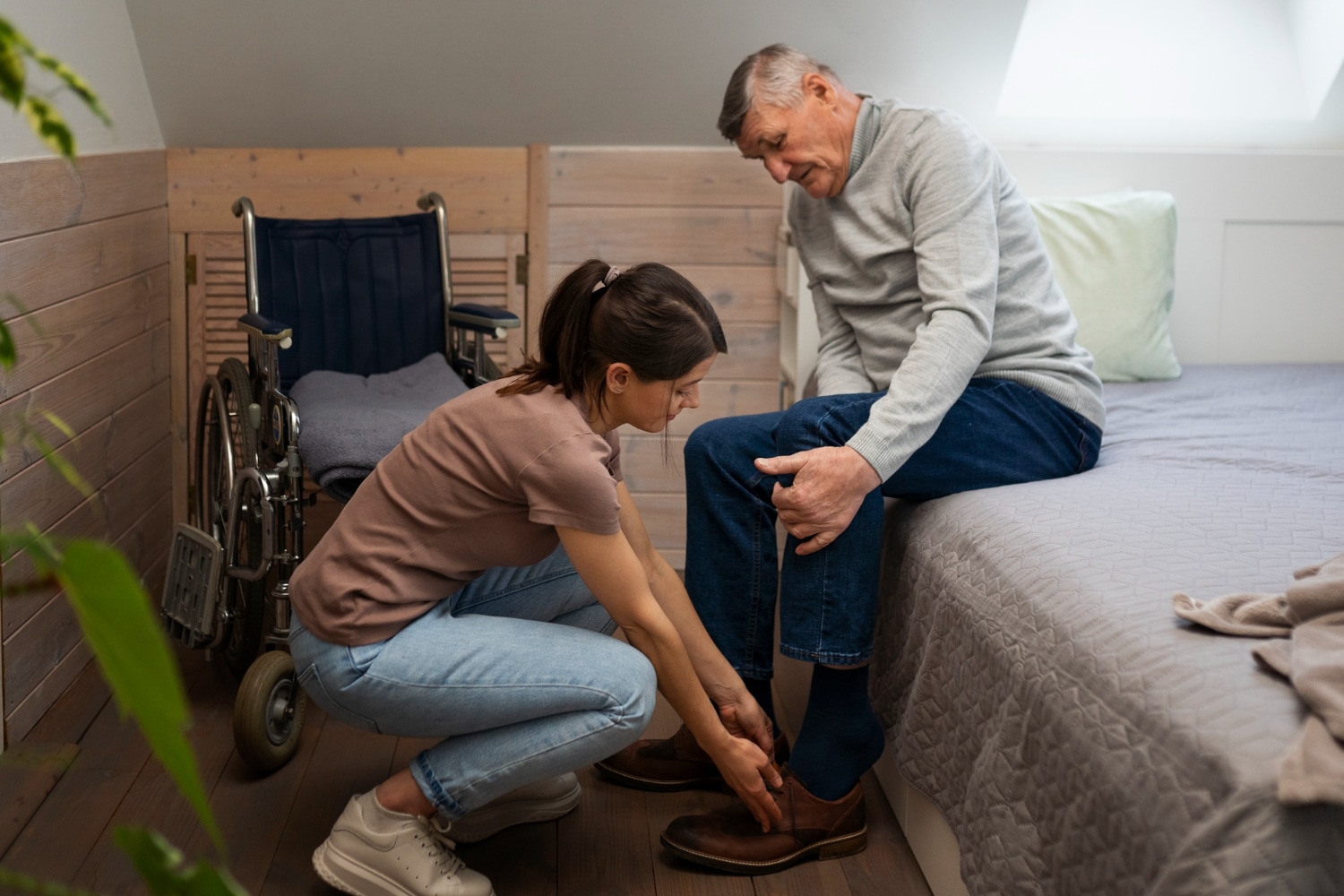
Whilst bedrooms are private spaces, they still require careful attention to sanitisation, particularly for participants who spend extended periods in bed due to mobility limitations. Regular laundering of bedding, thorough vacuuming of carpeted areas, and appropriate cleaning of personal furniture ensures these intimate spaces remain healthy and comfortable.
Respect for privacy and dignity is paramount when sanitising personal areas. Professional cleaning staff must be trained to work efficiently whilst minimising disruption to participants’ routines and personal belongings.
High-Touch Surfaces
Door handles, light switches, handrails, and mobility aids require frequent sanitisation throughout the day. These surfaces can harbour viruses and bacteria for extended periods, making them significant transmission risks in shared living environments.
Electronic devices, including communication aids and entertainment systems, need specialised cleaning approaches that protect sensitive equipment whilst ensuring effective sanitisation.
Best Practices for Maintaining a Sanitised Environment
Daily and Weekly Cleaning Routines
Effective sanitisation requires structured scheduling that addresses different cleaning needs at appropriate intervals. Daily tasks should focus on high-touch surfaces and areas with direct contact with food or bodily fluids. Weekly deep cleaning addresses areas like light fixtures, window sills, and behind furniture where dust and contaminants can accumulate.
Consider implementing a colour-coded system for cleaning equipment—blue cloths for general surfaces, red for bathrooms, and green for kitchen areas. This simple system prevents cross-contamination between different areas of the accommodation.
Using NDIS-Approved Cleaning Products
Not all cleaning products are suitable for NDIS accommodation settings. Products must be effective against a broad spectrum of pathogens whilst being safe for use around individuals who may have respiratory sensitivities, skin conditions, or compromised immune systems.
Hospital-grade disinfectants that meet Therapeutic Goods Administration standards provide the necessary efficacy whilst maintaining safety profiles appropriate for vulnerable populations. Plant-based products can offer effective cleaning power without harsh chemical fumes that might trigger respiratory issues.
Staff Training in Hygiene Protocols
Proper sanitisation requires more than good intentions—it demands comprehensive training and ongoing skill development. Staff must understand not just what to clean, but how to clean effectively, when to use different products, and how to protect themselves whilst maintaining participant safety.
Training should cover manual handling techniques to prevent injury, proper use of personal protective equipment, and clear protocols for managing biohazards or infectious disease outbreaks. Regular refresher training ensures standards remain consistently high as new challenges emerge.
Deep Cleaning and Specialist Services
Even with excellent daily maintenance, accommodation providers should schedule regular deep cleaning services to address areas that aren’t accessible through routine cleaning. Professional services can tackle challenges like carpet sanitisation, upholstery cleaning, and comprehensive bathroom rehabilitation that removes built-up biofilms and mineral deposits.
Specialist services become particularly important when managing pest control, mould remediation, or post-illness sanitisation that requires enhanced protocols to prevent ongoing transmission risks.
How Reaching Abilities Maintains Hygiene Standards
At Reaching Abilities, we understand that exceptional sanitisation standards are fundamental to providing quality NDIS accommodation. Our approach combines systematic cleaning protocols with personalised attention to each participant’s unique needs and preferences.
Our trained staff follow comprehensive sanitisation schedules that address both routine maintenance and deep cleaning requirements. We use only TGA-approved, eco-friendly cleaning products that provide maximum efficacy whilst maintaining the safest possible environment for our participants.
Regular quality inspections ensure our standards remain consistently high, and we maintain detailed documentation of all sanitisation activities to demonstrate compliance with NDIS requirements. When participants and their families choose Reaching Abilities, they can have complete confidence that their loved one’s health and safety are our absolute priority.
Our commitment extends beyond basic compliance—we actively seek to exceed industry standards because we understand that proper sanitisation directly impacts our participants’ quality of life, independence, and dignity.
Supporting Health Through Clean Environments
Maintaining exceptional sanitisation standards in NDIS accommodation isn’t just about preventing illness—it’s about creating environments where participants can flourish. When accommodation providers prioritise comprehensive cleaning protocols, they’re investing in their participants’ long-term health, happiness, and independence.
For families and support coordinators seeking accommodation options, don’t hesitate to ask detailed questions about sanitisation protocols, staff training, and quality assurance measures. Your loved one deserves accommodation that supports their health through every aspect of daily living.
If you’re interested in learning more about how proper sanitisation supports participant wellbeing, explore our NDIS cleaning and sanitisation services or discover our comprehensive approach to SIL accommodation and medium-term accommodation options. At Reaching Abilities we’re committed to creating the cleanest, safest, and most supportive environments for every participant in our care.
Ozer Tanlasi – Founder and Director of Reaching Abilities
Ozer Tanlasi is the Founder and Director of Reaching Abilities, an organisation dedicated to providing compassionate and empowering support to individuals with disabilities. With a background in allied health and a deep commitment to inclusive care, Ozer established Reaching Abilities to create a welcoming space where individuals can thrive, gain independence, and achieve their personal goals. Her approach is centred around understanding each individual’s unique needs and strengths, ensuring they receive tailored services that make a positive impact on their lives. Under Ozer’s leadership, Reaching Abilities has become known for its compassionate, client-focused approach, supporting individuals and families in building meaningful connections and reaching new potentials.