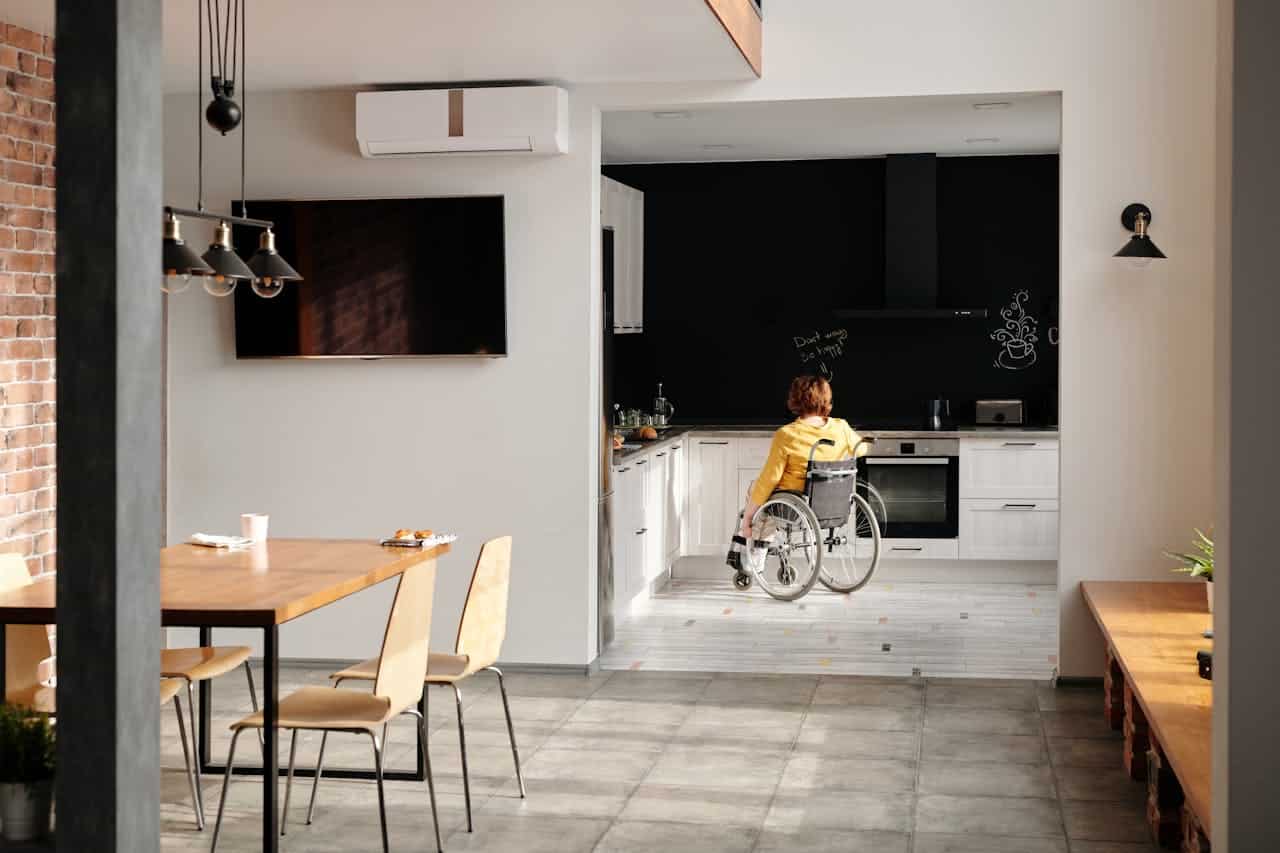
Moving from one home to another is a significant life event for anyone, but for NDIS participants, transitioning from Medium Term Accommodation (MTA) to a permanent Supported Independent Living (SIL) home is a major step toward greater independence. This journey, while exciting, can also be filled with uncertainty and stress for participants, their families, and caregivers.
That’s why planning the transition early is so important. A well-thought-out plan can transform a potentially overwhelming process into a smooth and empowering experience. This guide offers practical advice for support coordinators, caregivers, and families on how to navigate the move from MTA to SIL, ensuring participants feel confident and supported every step of the way.
Understanding MTA and SIL
Before planning the transition, it’s helpful to understand the distinct roles of Medium Term Accommodation (MTA) and Supported Independent Living (SIL) within the NDIS framework.
Medium Term Accommodation (MTA) provides temporary housing for NDIS participants for up to 90 days. It acts as a bridge for individuals who have a confirmed long-term housing solution, like a SIL home, but cannot move in immediately. Common reasons a participant might use MTA include waiting for a new SIL property to become available or for home modifications to be completed. MTA funding covers the cost of the accommodation itself, ensuring participants have a safe and supportive place to live instead of facing inappropriate housing situations like extended hospital stays.
Supported Independent Living (SIL) is an ongoing support that helps NDIS participants live as independently as possible. SIL funding covers support for daily tasks such as personal care, meal preparation, and household management within the participant’s home. It’s designed to foster independence and build life skills in a permanent living arrangement, whether that’s in a shared home or an individual residence. Unlike MTA, SIL funding covers the cost of support services, not rent or other day-to-day living expenses.
Challenges in the SIL Housing Transition
Even with a clear goal, the transition from MTA to SIL can present several challenges for NDIS participants and their support networks. Acknowledging these potential hurdles is the first step toward overcoming them.
Common issues include:
- Delays in funding approvals: Securing or adjusting SIL funding can be a lengthy process, sometimes causing delays that extend a participant’s stay in temporary accommodation.
- Housing availability: Finding a suitable SIL vacancy that matches a participant’s needs, preferences, and location can be difficult, especially in areas with high demand.
- Participant anxiety: Moving to a new home, meeting new housemates, and adjusting to new support workers can be a source of significant stress and anxiety for participants.
- Coordination complexities: Juggling communication between the NDIS, MTA providers, SIL providers, allied health professionals, and family members requires significant effort from support coordinators.
These challenges can place a heavy burden not only on the participant but also on their caregivers and support coordinators, who are often managing the emotional and logistical aspects of the move.
Steps to Plan a Smooth Transition
A proactive and person-centred approach can make all the difference in navigating the move from MTA to SIL. Here are key steps to ensure a smooth NDIS accommodation transition.
1. Early and Open Communication
Start conversations with the participant’s support coordinator, MTA provider, and potential SIL providers as early as possible. Establishing clear lines of communication helps everyone stay aligned on timelines, responsibilities, and the participant’s needs.
2. Align NDIS Goals with Accommodation Options
Work with the participant to ensure their NDIS plan clearly outlines their housing goals. A specific goal, such as “transitioning from MTA to a permanent SIL home to build independent living skills,” provides a clear pathway for NDIS planning and funding. This helps align all NDIS accommodation options with the participant’s long-term aspirations.
3. Prepare Documentation in Advance
Gathering all necessary documentation ahead of time can prevent significant delays. This includes:
- Assessments from allied health professionals (e.g., Occupational Therapists) that detail the participant’s support needs.
- A clear housing plan that outlines the chosen SIL provider and property.
- Evidence to support the need for specific SIL funding levels.
Having these documents ready will streamline any necessary NDIS plan reviews.
4. Engage Participants in the Process
Involve the NDIS participant in every decision. This can include visiting potential SIL homes, meeting future housemates and support staff, and choosing personal items for their new room. Giving them a sense of control and ownership over the process helps build confidence and reduces anxiety about the upcoming move. The MTA period is also a valuable time to focus on developing independent living skills in preparation for the transition.
The Role of Support Coordinators and Caregivers
Support coordinators and caregivers are the anchors of a successful transition, providing both practical and emotional support.
Support coordinators are instrumental in managing the logistics. They can liaise with the NDIA to streamline funding approvals, coordinate with various service providers, and ensure all paperwork is in order. Their expertise in NDIS planning and housing pathways is essential for navigating the complexities of the system.
Caregivers and family members provide invaluable emotional reassurance. Your encouragement and support can help ease the participant’s worries about moving. By being a familiar and trusted presence during visits to the new home and on moving day, you can help create a sense of stability and comfort during a period of significant change.
How Reaching Abilities Can Help
At Reaching Abilities, we understand that moving to a new home is more than just a change of address; it’s a journey that requires compassion, planning, and a deep understanding of each individual’s needs. With extensive experience in providing both MTA and SIL services across Western Australia, we are dedicated to making the NDIS accommodation transition as seamless as possible.
Our approach is built on a strong care factor. We treat our participants like family, ensuring they feel heard, respected, and empowered throughout their housing journey. Our qualified and compassionate staff work closely with support coordinators, families, and NDIS participants to create a personalised transition plan that puts the individual first. From finding the right home to settling in, we provide ongoing support to ensure the move is a positive and successful step toward greater independence.
Let’s Plan Your Next Step Together
Transitioning from Medium Term Accommodation to Supported Independent Living is a significant milestone on the path to independence. While it can seem daunting, with the right planning, a dedicated support network, and a provider who truly cares, it can be a positive and life-changing experience. By focusing on clear communication and placing the participant at the heart of every decision, you can ensure a smooth and successful move.
If you are a support coordinator or caregiver planning a SIL housing transition for an NDIS participant, we are here to help. Contact Reaching Abilities today for guidance and to learn more about our supportive accommodation services.

Ozer Tanlasi – Founder and Director of Reaching Abilities
Ozer Tanlasi is the Founder and Director of Reaching Abilities, an organisation dedicated to providing compassionate and empowering support to individuals with disabilities. With a background in allied health and a deep commitment to inclusive care, Ozer established Reaching Abilities to create a welcoming space where individuals can thrive, gain independence, and achieve their personal goals. Her approach is centred around understanding each individual’s unique needs and strengths, ensuring they receive tailored services that make a positive impact on their lives. Under Ozer’s leadership, Reaching Abilities has become known for its compassionate, client-focused approach, supporting individuals and families in building meaningful connections and reaching new potentials.