Creating a home environment that feels safe and welcoming goes far beyond aesthetic appeal. For participants in Supported Independent Living (SIL), the standard of cleanliness within their home directly influences their physical health, emotional comfort, and sense of dignity.
A clean home is a fundamental right. It prevents infection, reduces hazards, and creates a calm atmosphere where participants can focus on achieving their goals. However, maintaining these standards in a shared living arrangement presents unique challenges. Support teams must balance the rigorous requirements of infection control with the need to respect the home as a private, personal space rather than a clinical facility.
Cleaning SIL accommodation requires a structured approach that goes deeper than a quick tidy-up. It involves consistent routines, adherence to NDIS safety expectations, and a collaborative effort between support workers and participants. When managed correctly, hygiene routines protect everyone in the home and provide valuable opportunities for participants to build independence.
What Cleanliness Means in a SIL Setting
In the context of Supported Independent Living, cleanliness is a multifaceted concept. It distinguishes between basic tidiness—like putting away toys or folding throws—and structured hygiene processes designed to mitigate health risks.
While a “lived-in” look is natural and comfortable, underlying hygiene standards must be rigorous. This includes managing biological risks, preventing mould growth, and ensuring food preparation areas are sanitary. A truly clean environment supports physical wellbeing by reducing the spread of illness, which is particularly critical for participants who may have compromised immune systems.
Beyond physical health, the state of the home environment impacts emotional wellbeing. Cluttered, dirty, or chaotic spaces can increase anxiety and sensory overload for some participants. Conversely, a well-organised and fresh environment fosters a sense of calm and control. For providers, maintaining hazard-free environments is also a legal and ethical obligation, ensuring that the home remains a safe workplace for support staff and a sanctuary for residents.
NDIS Hygiene and Safety Standards for SIL Accommodation
The NDIS Quality and Safeguards Commission sets clear expectations regarding the safety of living environments. Under the Core Module: Provision of Supports and Safe Environment standards, providers are required to ensure that the physical environment is safe, accessible, and well-maintained.
Cleanliness is a key component of risk management. Poor hygiene can lead to infection outbreaks, pest infestations, and slip-and-fall hazards. Compliance involves more than just cleaning; it requires robust Infection Prevention and Control (IPC) protocols. This includes treating all bodily fluids and waste as potentially infectious and using standard precautions universally.
Participants also have a dignity of risk—the right to make choices about their own lives, including how they keep their room. However, this must be balanced against the duty of care. If a participant’s choices regarding cleanliness pose a health risk to themselves, other residents, or staff (such as hoarding or spoilt food), this becomes a safety issue that must be managed sensitively through their support plan.
Key Areas That Require Regular Cleaning
To maintain a high standard of hygiene, specific zones within the home require targeted attention. Understanding the risks associated with each area helps support teams prioritise their efforts effectively.
Kitchens and Food Preparation Zones
The kitchen is the heart of the home, but also a high-risk area for cross-contamination. Strict protocols must be in place for handling raw meat, washing vegetables, and managing leftovers. Regular sanitising of bench tops, fridge handles, and taps is essential to prevent foodborne illnesses. Safe waste disposal is equally important to deter pests.
Bathrooms and Personal Care Spaces
Wet areas are prone to mould and bacteria build-up. Daily cleaning routines should focus on sanitising high-touch surfaces like flush buttons, taps, and grab rails. To prevent mould and slip hazards, surfaces should be kept dry and well-ventilated. Support workers must use appropriate PPE when cleaning these areas to protect themselves and residents.
Bedrooms
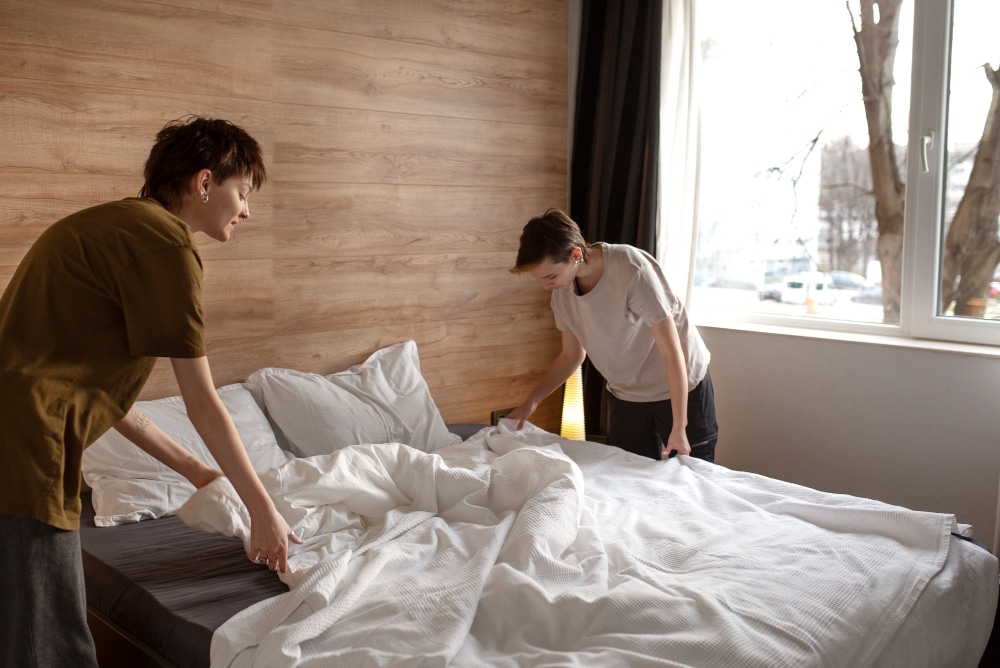
A participant’s bedroom is their private sanctuary. Hygiene here focuses on regular changing of bedding to reduce dust mites and allergens, as well as keeping floors clear to prevent trips. Personal item organisation helps maintain a calm space and makes cleaning easier, though this should always be done with the participant’s permission and involvement.
Shared Living Areas
Loungerooms and hallways are high-traffic zones. The focus here is on high-touch surfaces; doorknobs, light switches, remote controls, and tabletops. These items can harbour germs and transfer them rapidly between residents and staff. Regular ventilation, such as opening windows to circulate fresh air, is a simple but vital practice.
Outdoor and Entry Areas
First impressions matter, but safety matters more. Entryways should be kept clear of clutter to ensure safe evacuation routes. Outdoor bins must be managed to prevent odours and pests, and pathways should be swept regularly to remove slip hazards like wet leaves or moss.
Daily, Weekly and Monthly Cleaning Routines
Consistency is the secret to a manageable and hygienic home. Establishing clear rosters prevents tasks from being overlooked during shift handovers and ensures accountability.
- Daily Routines: These tasks maintain the functional flow of the house. They include airing out the property, wiping down kitchen surfaces after every meal, managing dishes, spot-cleaning spills immediately, and sanitising high-touch surfaces like door handles and light switches during shift changes.
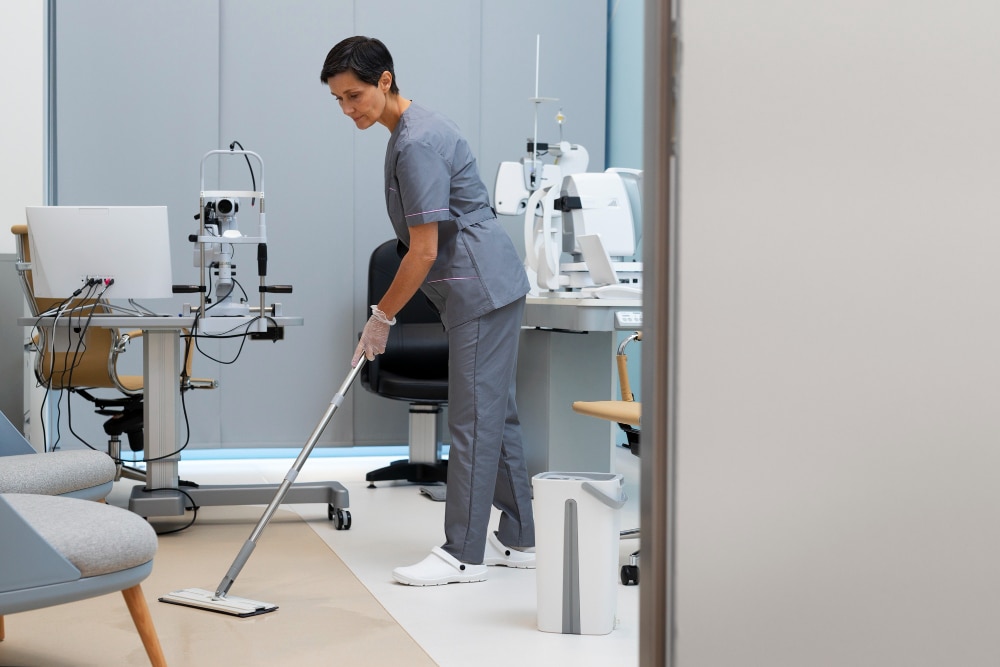
- Weekly Routines: These are deeper cleaning tasks that maintain the property’s condition. Examples include mopping floors, scrubbing bathroom tiles and toilets, changing bed linen, and clearing out the fridge of expired items.
- Monthly “Deep Cleans”: These tasks target hidden dirt and long-term maintenance. This might involve cleaning behind appliances, washing curtains or blinds, steam cleaning carpets, and wiping down skirting boards and ceiling fans.
Responsibility for these tasks is often shared. While Support Workers facilitate the routine, external commercial cleaners are often engaged for the heavy-duty weekly or fortnightly cleans. This allows support staff to focus on care and social engagement rather than deep scrubbing.
Supporting Participants to Develop Daily Living Skills
Cleanliness routines in SIL are not just about maintenance; they are a powerful tool for capacity building. Reaching Abilities views household management as a key opportunity for participants to develop Daily Living Skills.
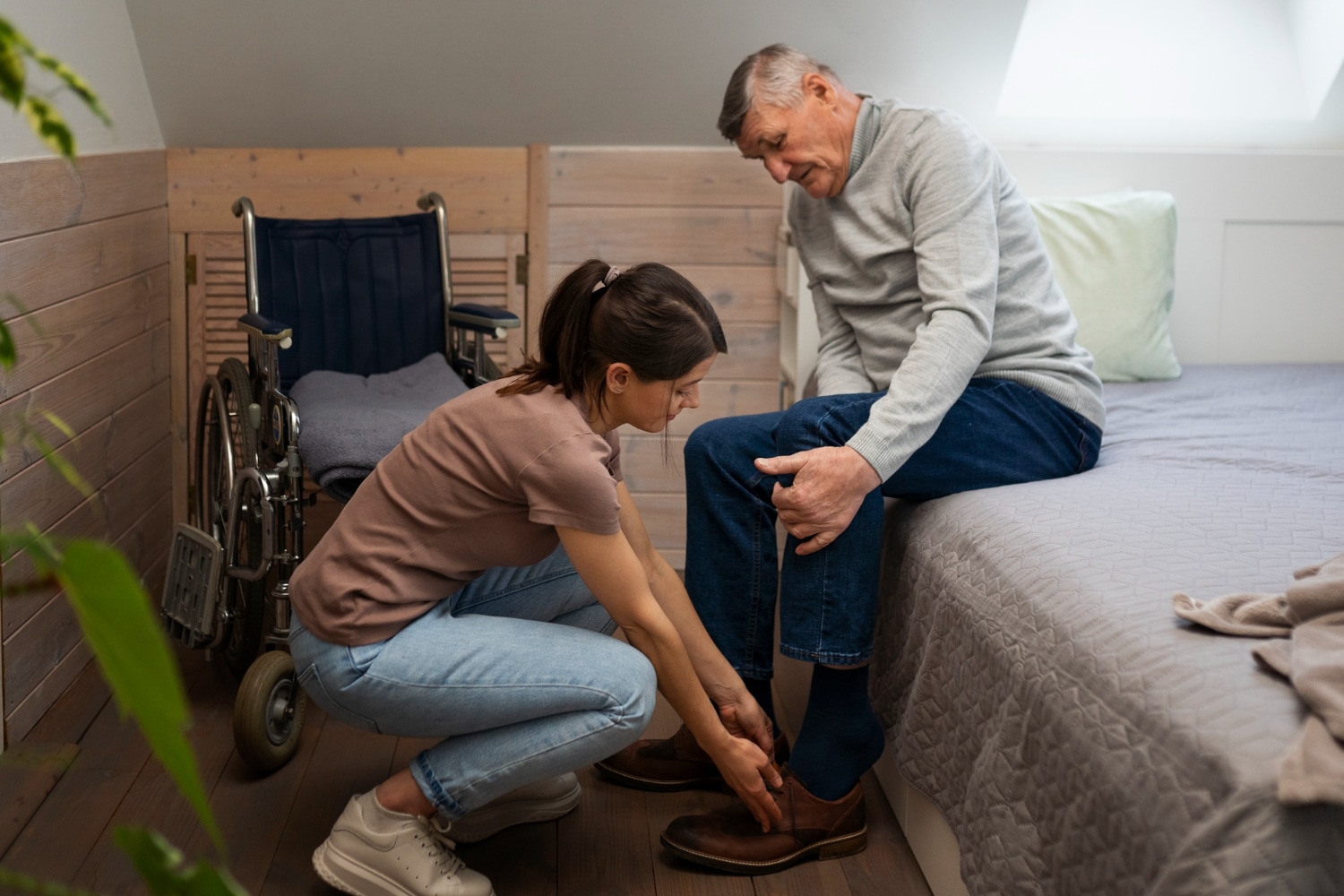
The approach should always be “doing with,” not “doing for.” Support workers encourage participants to take ownership of their space according to their abilities. This might look like a participant wiping down the table after dinner while the support worker handles the heavier pots and pans.
Task modifications can make these activities accessible and rewarding. For example:
- Using lightweight cleaning tools for those with limited mobility.
- Creating visual checklists or charts for participants who benefit from structured guidance.
- Breaking complex tasks into small, manageable steps (e.g., “First we spray, then we wipe”).
By involving participants in the process, they gain a sense of achievement and autonomy over their environment. It reinforces that this is their home, and they play an active role in caring for it.
Common Issues and How to Prevent Them
Even with the best intentions, maintaining high standards in shared accommodation can be difficult. Addressing common hurdles proactively helps keep the home running smoothly.
- Mess Build-Up in Shared Spaces: It is easy for personal items to migrate into common areas, creating clutter.
- Prevention: Establish agreed-upon “reset” times, perhaps before dinner or at the end of the day, where everyone helps return items to their proper place.
- Food Hygiene Concerns: Leftovers pushed to the back of the fridge or spills left unattended can cause health risks.
- Prevention: Implement a labelling system for leftovers with dates. Make a quick fridge audit part of the daily evening routine.
- Overlooked High-Touch Surfaces: We often clean what looks dirty, but invisible germs on light switches and remotes are a major transmission vector.
- Prevention: Include a specific “high-touch point” checklist in the shift handover notes to ensure it becomes a habit.
- Inconsistency Across Staff: Standards can slip if one support worker has a different definition of “clean” than another.
- Prevention: Use clear, written cleaning logs and checklists. If it isn’t documented, it didn’t happen. Regular team meetings can reinforce expectations.
How Reaching Abilities Maintains High Standards
At Reaching Abilities, we believe that a safe home is the foundation for a good life. Our approach to hygiene in Supported Independent Living combines professional standards with a person-centred philosophy.
We implement consistent, safety-focused cleaning practices across all our shared homes. This includes thorough staff training on Infection Prevention and Control (IPC) and the correct use of cleaning chemicals. We ensure that Safety Data Sheets (SDS) are accessible and that hazardous materials are stored securely.
Most importantly, we tailor our routines to the people who live there. We respect the preferences of our participants—whether that’s using eco-friendly products or arranging their room a specific way—while ensuring that the baseline for health and safety is never compromised.
Practical Tips for Coordinators and Families
If you are a Support Coordinator or a family member visiting a SIL home, there are simple ways to gauge the quality of the hygiene systems in place.
- The “Smell Test”: A clean home should smell fresh or neutral. Strong, masking odours or musty smells can indicate underlying issues.
- Check the Documentation: Ask to see the cleaning logs or shift reports. Are they being signed off daily?
- Look High and Low: Check air vents for dust build-up and skirting boards for grime. These areas often reveal if deep cleaning is happening regularly.
- Ask the Support Staff: Ask a support worker about the process for handling laundry or waste. Their confidence in explaining the protocol is a good sign of effective training.
- Observe the Environment: Are walkways clear? Is there a dedicated sharps container if needed? These details show a proactive approach to safety.
Conclusion
Maintaining cleanliness in SIL accommodation is vital for protecting the health, safety, and dignity of every participant. It turns a house into a home where people feel proud to live and safe to grow.
By establishing consistent routines, adhering to NDIS standards, and fostering collaboration between staff and residents, we create environments that support holistic wellbeing. If you would like to know more about how we manage safe and supportive living arrangements, pleaseContact Us or read more aboutAbout Reaching Abilities.

Ozer Tanlasi – Founder and Director of Reaching Abilities
Ozer Tanlasi is the Founder and Director of Reaching Abilities, an organisation dedicated to providing compassionate and empowering support to individuals with disabilities. With a background in allied health and a deep commitment to inclusive care, Ozer established Reaching Abilities to create a welcoming space where individuals can thrive, gain independence, and achieve their personal goals. Her approach is centred around understanding each individual’s unique needs and strengths, ensuring they receive tailored services that make a positive impact on their lives. Under Ozer’s leadership, Reaching Abilities has become known for its compassionate, client-focused approach, supporting individuals and families in building meaningful connections and reaching new potentials.