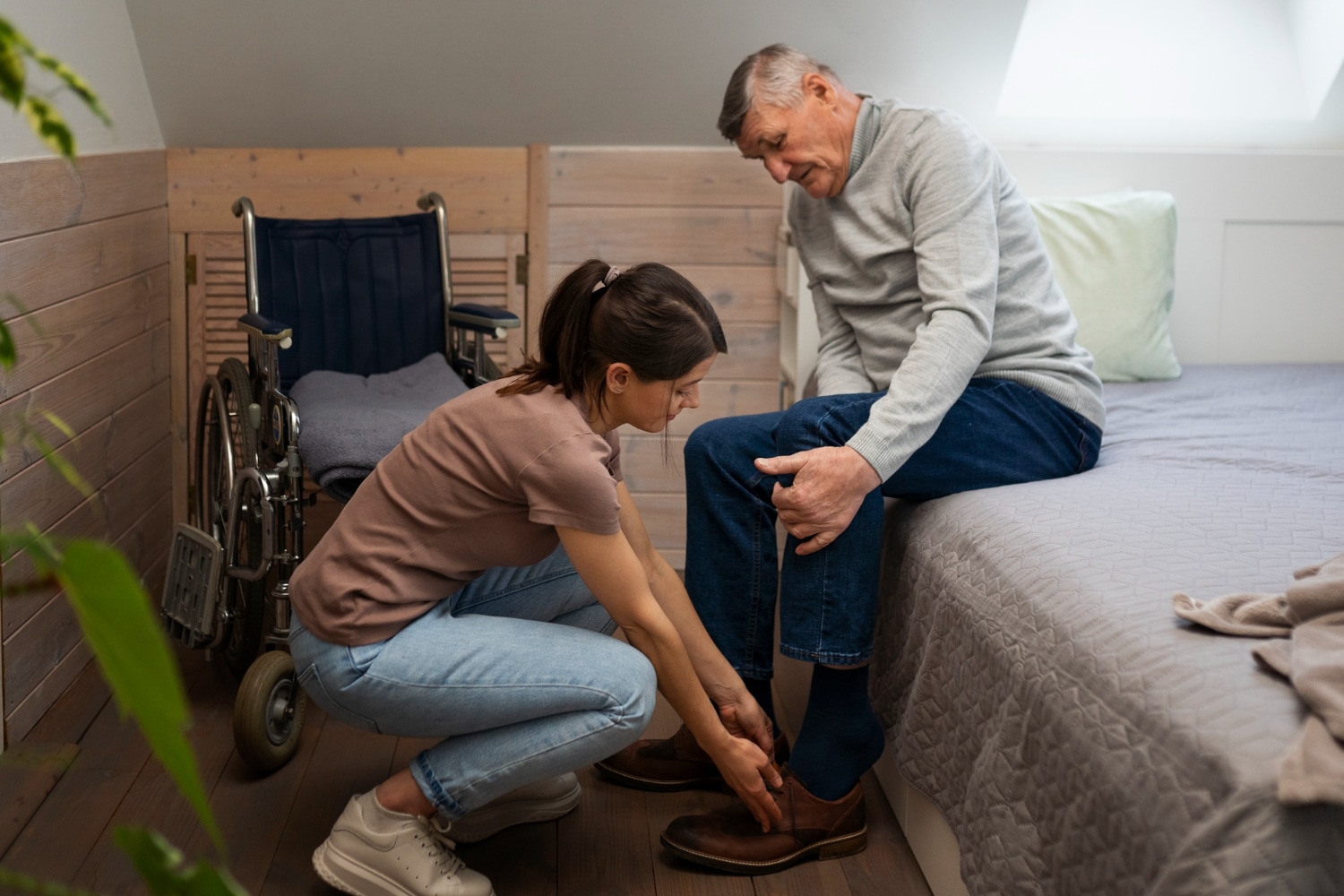
Making the leap from living with family to independent living can feel overwhelming for anyone. For families supporting a loved one with a disability, this transition brings unique considerations about safety, support, and readiness. Perhaps you’re a parent wondering how your adult child can safely move from the family home, or maybe you’re a support coordinator helping participants navigate their next steps toward greater autonomy.
The journey from dependence to independence doesn’t have to be daunting. With the right support structure in place, it can be empowering and transformative for everyone involved.
Supported Independent Living (SIL) accommodation offers a carefully balanced approach that bridges the gap between living at home with family and complete independence. It provides participants with the opportunity to develop essential life skills, build confidence, and enjoy greater autonomy whilst maintaining access to professional support when needed.
This guide explores how SIL accommodation supports these crucial transitions, helping participants and their families understand the practical and emotional benefits of this life-changing service.
What Is SIL Accommodation?
SIL Defined in Simple Terms
Supported Independent Living (SIL) is an NDIS-funded service designed to help people with disabilities live as independently as possible whilst receiving tailored support for daily activities. Unlike traditional care arrangements, SIL focuses on empowering participants to make their own choices about how they live, work, and engage with their community.
The service covers both accommodation-related expenses (such as rent, utilities, and maintenance) and the personal support services needed to manage daily living tasks. This might include assistance with cooking, cleaning, personal care, budgeting, and accessing community activities.
SIL funding is allocated based on individual assessments and is designed to provide the right level of support without taking over tasks that participants can manage independently or learn to do with guidance.
Who Is SIL Accommodation For?
SIL accommodation is particularly beneficial for NDIS participants with higher support needs who are working toward greater independence. This includes young adults ready to take their first steps away from the family home, individuals transitioning from more intensive care settings, or anyone seeking a supportive environment to develop their life skills.
Consider Sarah, a 24-year-old with an intellectual disability who has lived with her parents her entire life. Whilst she can manage some daily tasks independently, she needs support with meal planning, budgeting, and navigating public transport. SIL accommodation would provide her with the structured support she needs to learn these skills whilst enjoying the freedom of her own living space.
How SIL Accommodation Supports Transitions to Independence
1. Building Daily Living Skills
One of the most significant benefits of SIL accommodation is the practical, hands-on approach to skill development. Rather than learning these abilities in isolation, participants develop essential life skills within the context of their daily routines.
Support workers help participants master cooking techniques, from basic meal preparation to more complex dishes. They provide guidance on household management, including cleaning schedules, laundry care, and basic maintenance tasks. Personal care routines are supported with respect for privacy and dignity, helping participants develop confidence in managing their own needs.
Perhaps most importantly, participants learn to navigate appointments, public transport, and community services—skills that are essential for true independence.
2. Encouraging Social Interaction and Teamwork
Living in shared accommodation naturally creates opportunities for social connection and collaboration. Housemates often develop friendships built on shared experiences and mutual understanding of the challenges and triumphs that come with building independence.
Shared responsibilities, such as maintaining common areas or planning group meals, foster teamwork and communication skills. These experiences teach participants how to navigate relationships, resolve conflicts respectfully, and contribute to a harmonious living environment.
Many SIL providers also organise group activities and community outings, creating additional opportunities for social engagement and relationship building.
3. Developing Confidence to Take on More Responsibilities
The gradual nature of skill development in SIL accommodation allows participants to build confidence at their own pace. As they master one area of independent living, they naturally progress to taking on additional responsibilities.
This might begin with managing their own morning routine and gradually expand to handling their weekly budget or organising their own medical appointments. Each success builds upon the last, creating a foundation of self-assurance that supports future independence.
The supportive environment means that mistakes become learning opportunities rather than failures, encouraging participants to take calculated risks and push their boundaries safely.
Benefits for Participants and Their Families
Increased Participant Independence
SIL accommodation fundamentally changes the relationship between support and autonomy. Rather than having tasks done for them, participants are empowered to make meaningful choices about their daily lives.
This includes decisions about their living space, daily routines, social activities, and personal goals. Support workers act as guides and facilitators rather than decision-makers, helping participants explore options and understand consequences whilst respecting their right to choose.
Peace of Mind for Families and Guardians
For families who have provided years of intensive support, the transition to SIL can bring tremendous relief. Knowing that professional support staff are available around the clock provides peace of mind whilst allowing family relationships to evolve beyond caregiving roles.
Parents can focus on being loving supporters rather than primary carers, often strengthening family bonds and reducing stress for everyone involved. Regular communication with SIL providers ensures families remain involved in important decisions whilst sharing the responsibility of daily care.
Professional Support Staff on Hand
SIL accommodation provides access to trained professionals who understand the specific needs of people with disabilities. These support workers are equipped to handle emergencies, provide specialised care, and offer guidance on complex situations.
The availability of 24/7 support (or support tailored to individual needs) means participants can explore their independence knowing that help is available when required. This balance of freedom and security creates an ideal environment for personal growth and skill development.
Choosing the Right SIL Provider
Factors to Consider
Selecting the right SIL provider is crucial for a successful transition to independent living. Location plays an important role—proximity to family, employment, healthcare services, and community amenities can significantly impact the participant’s quality of life.
Staff expertise and approach to care are equally important. Look for providers who demonstrate a genuine commitment to participant choice and control, with staff trained in person-centred approaches and disability-specific support needs.
Participant compatibility is another key consideration. The best SIL arrangements involve careful matching of housemates based on interests, support needs, and lifestyle preferences.
How Reaching Abilities Helps Participants Thrive
At Reaching Abilities, we understand that the transition to independent living is a significant milestone that requires careful planning and ongoing support. Our approach focuses on learning more about our SIL accommodation services that truly put participants at the centre of their own care.
We work closely with participants and their families to develop personalised support plans that balance independence with appropriate assistance. Our experienced team provides comprehensive support whilst encouraging participants to develop the skills and confidence they need to thrive in their community.
Frequently Asked Questions
What’s the difference between SIL and living with family?
SIL provides structured support from trained professionals whilst encouraging independence and skill development. Living with family often involves informal care arrangements. SIL offers participants the opportunity to make their own choices about daily routines whilst maintaining family relationships focused on love and support rather than caregiving.
How much does SIL accommodation cost?
SIL is funded through the NDIS based on individual assessments of support needs. The amount of funding varies depending on the level of support required. Participants don’t pay for the accommodation or support directly—these costs are covered by their NDIS plan.
Can I choose my housemates in SIL accommodation?
Most SIL providers work hard to match compatible housemates based on interests, support needs, and lifestyle preferences. Whilst you may not choose your housemates directly, providers typically consider your preferences and compatibility when making arrangements.
What happens if my support needs change?
SIL arrangements are designed to be flexible and responsive to changing needs. Support plans are regularly reviewed and can be adjusted if your circumstances change. This might involve increasing or decreasing support hours, changing the type of assistance provided, or even transitioning to different accommodation if needed.
How involved can my family be in my SIL arrangement?
Family involvement is encouraged and supported in SIL arrangements. The level of involvement depends on your preferences and what works best for your situation. Many participants maintain regular contact with family members whilst enjoying the independence that comes with SIL living.
Taking the Next Step Towards Independence
The transition to independent living through SIL accommodation represents a significant step forward for many NDIS participants. It’s designed to help individuals grow at their own pace, building the skills and confidence needed for greater autonomy whilst maintaining the security of professional support.
Every person’s journey is unique, and there’s no pressure to move faster than feels comfortable. SIL accommodation provides a supportive bridge between dependent and independent living, allowing participants to develop essential life skills in a safe, nurturing environment.
If you’re considering SIL accommodation for yourself or a loved one, take the time to explore your options and find a provider who truly understands your goals and needs. The right support can make all the difference in creating a successful, fulfilling transition to independent living.
Contact Reaching Abilities today to learn more about our SIL accommodation services and discover how we can help you or your loved one take the next step forward.

Ozer Tanlasi – Founder and Director of Reaching Abilities
Ozer Tanlasi is the Founder and Director of Reaching Abilities, an organisation dedicated to providing compassionate and empowering support to individuals with disabilities. With a background in allied health and a deep commitment to inclusive care, Ozer established Reaching Abilities to create a welcoming space where individuals can thrive, gain independence, and achieve their personal goals. Her approach is centred around understanding each individual’s unique needs and strengths, ensuring they receive tailored services that make a positive impact on their lives. Under Ozer’s leadership, Reaching Abilities has become known for its compassionate, client-focused approach, supporting individuals and families in building meaningful connections and reaching new potentials.