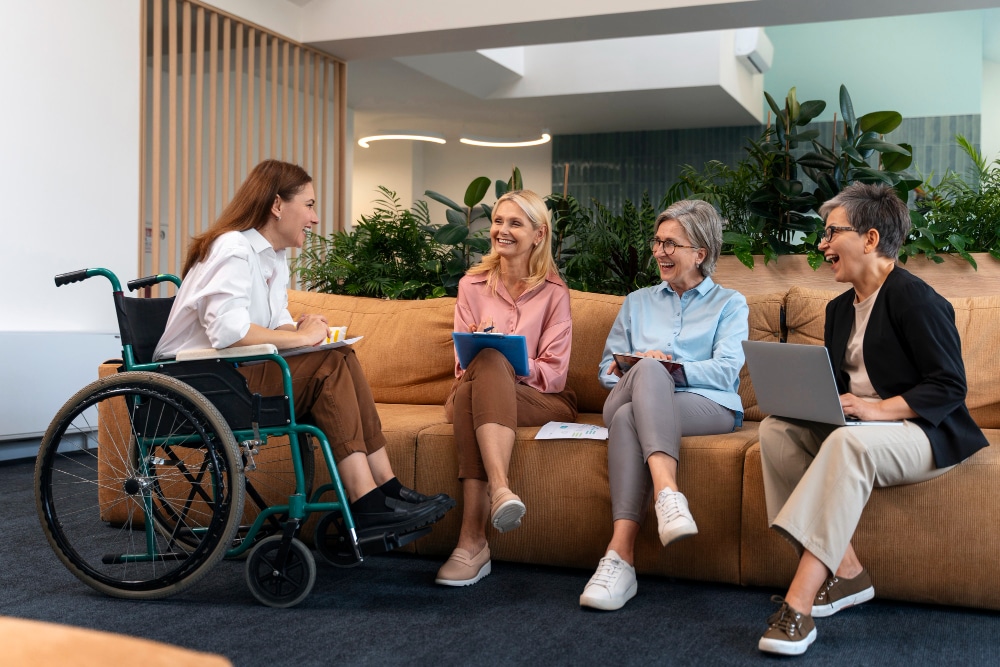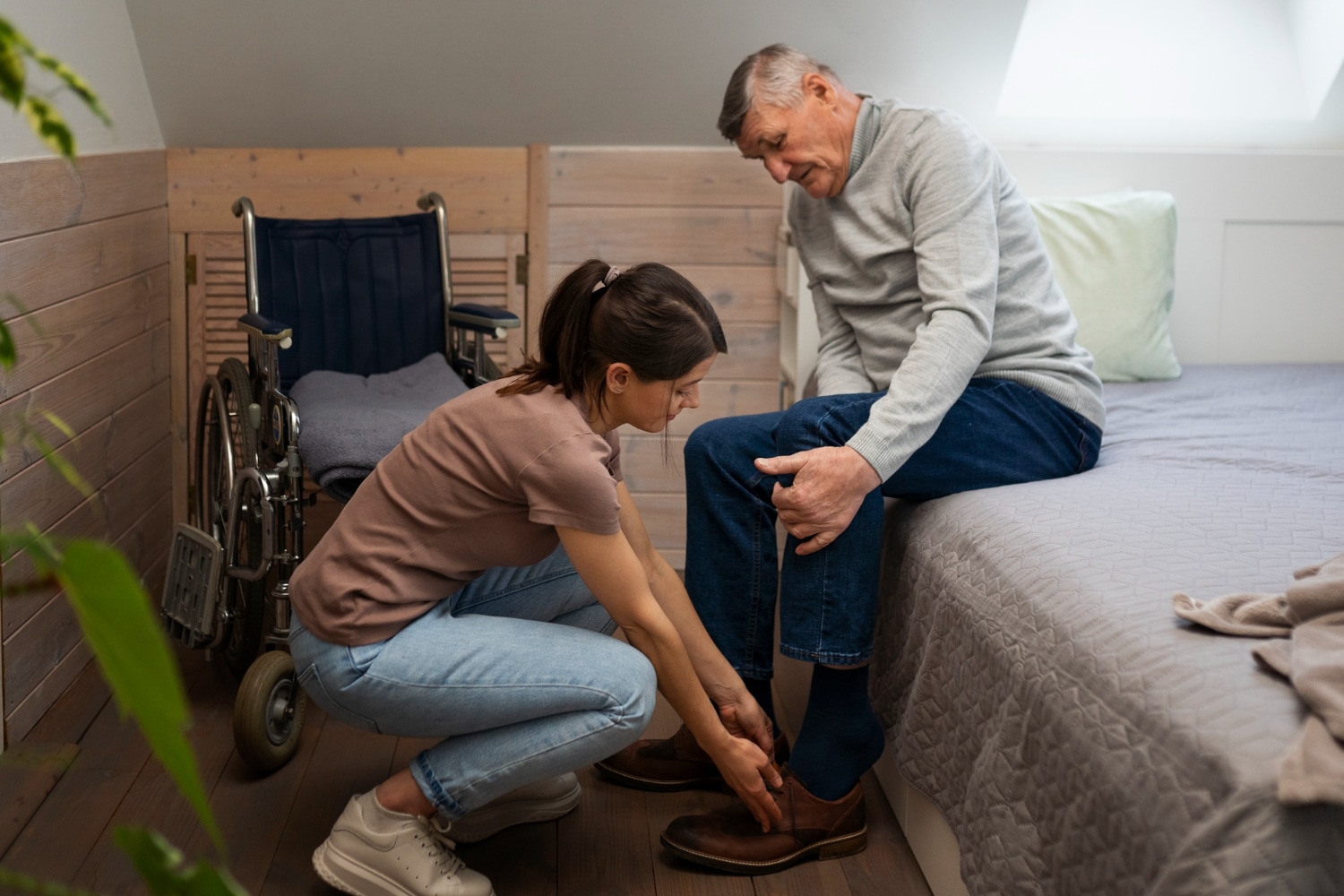
Many NDIS participants and their families find themselves wondering how to break through feelings of social isolation and build meaningful connections. The good news? The NDIS recognises that friendships and community engagement aren’t just nice-to-haves; they’re essential for mental health, confidence, and overall wellbeing. Through community participation supports, participants can discover a world of opportunities to connect, grow, and thrive alongside others who share their interests and experiences.
Why Social Connections Matter for NDIS Participants
The Link Between Social Ties and Wellbeing
Strong social connections act as a cornerstone for emotional health and independence. When NDIS participants engage in community activities, they’re not just filling time; they’re actively supporting their mental wellbeing, building confidence, and developing essential life skills. Research consistently shows that people with strong social networks experience lower rates of depression and anxiety, while also maintaining better physical health outcomes.
Community participation creates pathways to independence by providing safe spaces where participants can practice navigating social situations, make decisions, and develop problem-solving skills. These experiences build the foundation for greater autonomy in daily life, whether that’s ordering coffee independently, participating in group conversations, or taking on leadership roles within activities.
Challenges Participants Often Face
Despite the clear benefits, many NDIS participants encounter barriers to social engagement. Physical accessibility issues can limit access to venues and activities, while confidence challenges may make the prospect of joining new groups feel overwhelming. Some participants struggle with communication barriers or haven’t had access to inclusive programs that truly cater to their needs and interests.
Transport limitations often create additional hurdles, particularly for those living in regional areas where community programs may be less frequent or accessible. These practical challenges can compound feelings of isolation, making it even more important to find the right supports and programs.
What Are NDIS Community Participation Supports?
Overview of Funded Community Activities
NDIS community participation supports are designed to help participants engage with their local communities through group activities, skill-building programs, and social experiences. These supports can include group outings to local attractions, skill-building workshops that focus on practical life abilities, peer support groups where participants connect with others facing similar experiences, and volunteering opportunities that allow participants to contribute meaningfully to their communities.
The beauty of NDIS community activities lies in their flexibility and person-centred approach. Supports can be tailored to match individual interests, comfort levels, and goals, ensuring that each participant finds activities that genuinely resonate with them.
Examples of Community Programs
Community participation can take many forms, each offering unique benefits and opportunities for connection. Cooking classes combine practical skill development with social interaction, allowing participants to learn new recipes while building friendships over shared meals. Art therapy groups provide creative outlets for self-expression whilst fostering supportive connections with fellow artists.
Supported fitness programs encourage physical wellbeing in inclusive environments where participants can exercise at their own pace alongside peers. Local excursions to museums, markets, or cultural events offer opportunities to explore the community while developing confidence in public spaces. Many programs also incorporate elements of community service, allowing participants to contribute their skills and time to causes they care about.
Benefits of Participating in Community Activities
1. Building Friendships and Support Networks
Group activities create natural opportunities to meet like-minded people who share similar interests or experiences. Unlike forced social situations, community activities provide a comfortable foundation for relationships to develop organically around shared experiences and common goals.
These friendships often extend beyond the structured activities themselves, with participants meeting for coffee, sharing phone calls, or supporting each other through life’s challenges. The support networks that develop through community participation can become invaluable sources of encouragement, practical assistance, and genuine companionship.
2. Developing Social and Life Skills
Community activities serve as practical training grounds for essential life skills. Participants practice communication by engaging in group discussions, ordering at cafes, or asking questions during activities. Teamwork develops naturally through collaborative projects, whether that’s preparing a group meal, working on an art installation, or participating in team sports.
Problem-solving skills strengthen as participants navigate new situations, make decisions about their involvement, and work through challenges that arise during activities. These skills transfer directly to other areas of life, supporting greater independence and confidence in daily activities.
3. Gaining Confidence in Public and Group Settings
Regular participation in community activities helps individuals feel more comfortable and confident in social spaces. Starting with smaller, supportive groups can provide a stepping stone to engaging in larger community events and public spaces with greater ease.
This growing confidence often creates a positive cycle—as participants feel more comfortable in social settings, they’re more likely to seek out additional opportunities for engagement, further expanding their social world and building even greater confidence over time.
How to Access Community Participation Supports Through the NDIS
Work With Your Support Coordinator
Support coordinators play a crucial role in connecting participants with local community programs that align with their interests and goals. They can help identify suitable activities in your area, assist with the referral process, and ensure that chosen programs meet your specific support needs.
Your support coordinator can also help you understand how community participation fits within your broader NDIS plan, ensuring that these supports complement other services and work towards your overall goals for independence and wellbeing.
Choosing the Right Activities for Individual Goals
The key to successful community participation lies in finding activities that genuinely interest you and align with your comfort level. Start by considering your existing interests and hobbies—are there community groups or classes related to these areas? Think about what you’d like to achieve through participation, whether that’s making friends, learning new skills, or simply having fun.
Don’t feel pressured to commit to multiple activities immediately. Starting with one program that truly appeals to you allows you to build confidence and connections before exploring additional opportunities. Your interests and comfort level may evolve over time, and that’s perfectly normal.
Success Story: Finding Belonging in the Community
Sarah, a 28-year-old NDIS participant from Adelaide, initially felt hesitant about joining community activities after moving to a new area. Working with her support coordinator, she identified a local art therapy group that met her interests and support needs.
Within weeks, Sarah discovered not only a passion for watercolour painting but also genuine friendships with fellow participants. The group’s supportive environment gave her confidence to try new techniques and share her artwork. Six months later, Sarah had expanded her involvement to include a weekly cooking class and occasional group outings to local galleries.
“I never expected to find such a welcoming community,” Sarah reflects. “These activities haven’t just filled my week—they’ve given me friendships, confidence, and skills I use every day. I actually look forward to Mondays now because I know I’ll see my art group friends.”
A Step Towards Connection and Belonging
Community participation isn’t just about staying busy; it’s about building the social connections that make life meaningful and fulfilling. Through NDIS community activities, participants can discover new interests, develop valuable skills, and most importantly, find their place within a supportive community.
Whether you’re interested in creative pursuits, physical activities, skill-building workshops, or social groups, there are community participation opportunities waiting to welcome you. The first step is often the hardest, but with the right support and activities that match your interests, community participation can become one of the most rewarding aspects of your NDIS journey.
At Reaching Abilities, we understand that every person’s path to community connection looks different. Our experienced team is here to help you explore local community participation options that align with your goals, interests, and support needs. Learn more about community participation services and take that first step towards building the social connections that will enrich your life.
Ozer Tanlasi – Founder and Director of Reaching Abilities
Ozer Tanlasi is the Founder and Director of Reaching Abilities, an organisation dedicated to providing compassionate and empowering support to individuals with disabilities. With a background in allied health and a deep commitment to inclusive care, Ozer established Reaching Abilities to create a welcoming space where individuals can thrive, gain independence, and achieve their personal goals. Her approach is centred around understanding each individual’s unique needs and strengths, ensuring they receive tailored services that make a positive impact on their lives. Under Ozer’s leadership, Reaching Abilities has become known for its compassionate, client-focused approach, supporting individuals and families in building meaningful connections and reaching new potentials.