For many of us, our home is our sanctuary; a place of comfort, familiarity, and safety. However, for NDIS participants living with mobility challenges, the home environment can sometimes present significant hurdles. Navigating daily life when physical movement is restricted or difficult requires more than just determination; it requires the right kind of assistance.
This is where dedicated mobility support becomes transformative. It is not simply about having someone there to fetch items or complete chores. Rather, it is about empowering participants to maintain their dignity, uphold their independence, and move through their days with confidence.
Effective mobility support ensures that physical limitations do not translate into a limited life. By implementing tailored in-home strategies, we can create an environment where participants feel safe, supported, and capable of pursuing their goals.
Understanding Mobility Challenges in Daily Life
Mobility challenges are rarely one-size-fits-all. They exist on a spectrum, ranging from mild difficulties with balance to significant limitations requiring full physical assistance. For some participants, the challenge might be fatigue management; having enough energy to get through the morning routine without becoming exhausted for the rest of the day. For others, it involves complex barriers such as safely transferring from a bed to a wheelchair, standing up from a seated position, or navigating between rooms without the risk of falling.
These challenges often intersect with safety and emotional wellbeing. A cluttered hallway or a slippery bathroom floor can become a source of anxiety, potentially leading to a withdrawal from daily activities. When a person questions their functional capacity to move safely within their own space, their world can start to shrink.
It is crucial to view these challenges through a practical and sensitive lens. It isn’t just about the physical inability to walk or stand; it is about how those limitations impact a person’s routine. Accessing the bathroom, preparing a meal, or simply moving to a comfortable chair are fundamental parts of life. When these tasks become difficult, professional support for mobility challenges helps restore a sense of normalcy and control.
Why In-Home Support Is Essential
The value of NDIS in-home care goes far beyond basic physical assistance. It serves as a foundation for a safer, more autonomous life. When support is delivered correctly, it allows participants to focus on their abilities rather than their restrictions.
Enhanced Safety and Fall Prevention
Falls are a primary concern for individuals with limited mobility. A trained support worker acts as a crucial safeguard against accidents. They are skilled in identifying potential hazards—such as uneven surfaces, wet areas in bathrooms, or loose rugs—and mitigating risks before they cause harm. Furthermore, during transfers or movement, having a steady, professional presence significantly reduces the likelihood of injury, providing peace of mind for both the participant and their family.
Maintaining Independence at Home
There is a common misconception that having a support worker means giving up independence. In reality, in-home mobility assistance achieves the opposite. By handling the tasks that are physically impossible or unsafe for the participant, support workers free up the participant’s energy to focus on what they can do. It allows individuals to continue living in their own homes for longer, rather than moving into aged care or residential facilities prematurely.
Support with Personal Care and Daily Activities
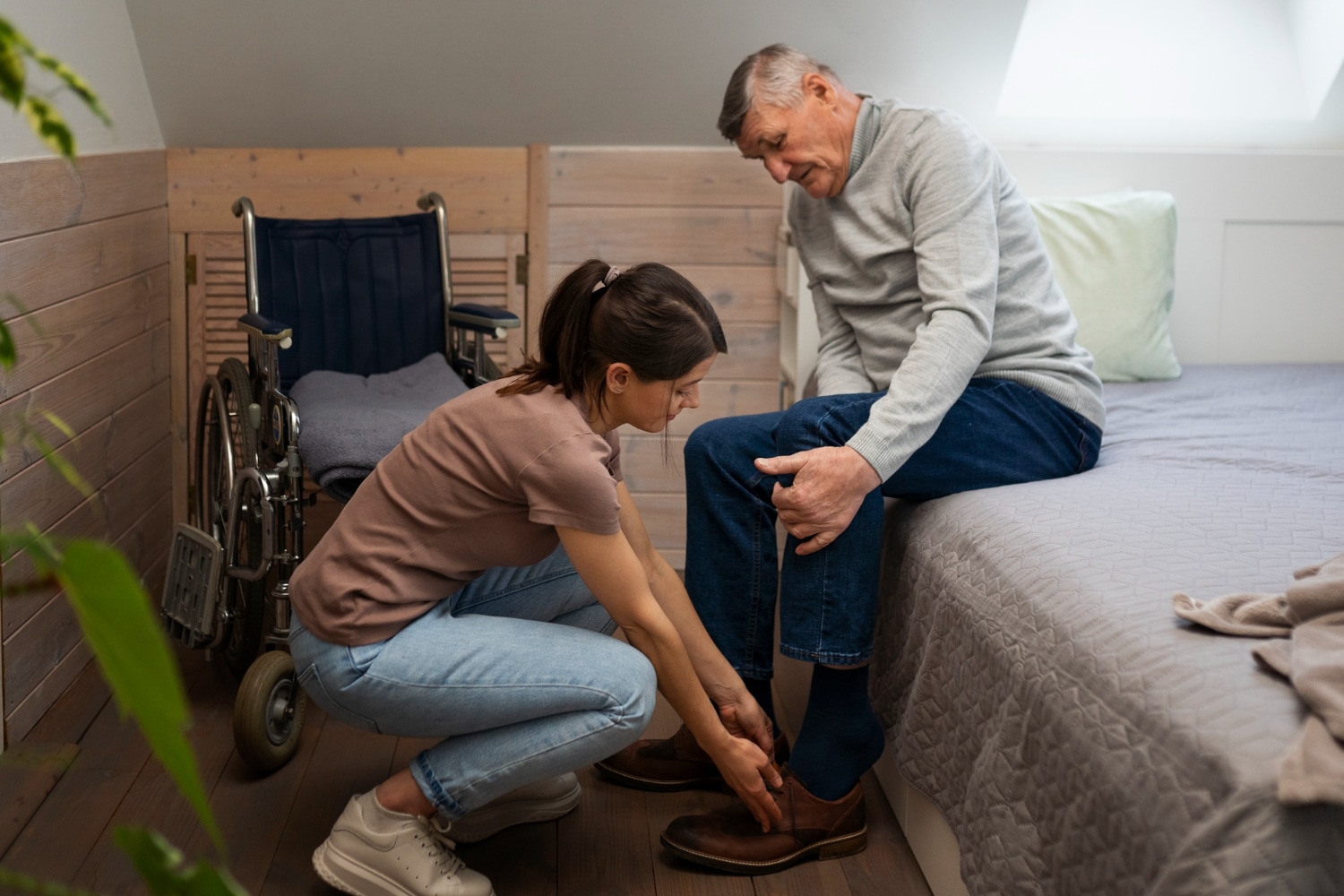
Routine tasks such as bathing, dressing, and grooming often require complex movements that can be dangerous or exhausting for someone with mobility needs. Daily living mobility support ensures these personal care tasks are completed with dignity and respect. Whether it’s assisting with buttons and zippers or providing stability during a shower, this support ensures participants start their day feeling fresh and cared for.
Improved Emotional Wellbeing and Confidence
The fear of falling or being unable to get up can be paralysing. This anxiety often leads to a sedentary lifestyle, which can further deteriorate muscle strength and mental health. Knowing that reliable support is available alleviates this stress. When participants feel safe, their confidence grows, encouraging them to move more often and engage more fully with their day.
Tailored Routines and Personalised Mobility Plans
Every home and every participant is different. High-quality support is never a rigid, box-ticking exercise. Instead, it involves personalised planning that respects the participant’s preferences, goals, and current capacity. This might mean adjusting the timing of showers to match energy levels or incorporating specific movements recommended by a physiotherapist into the daily routine.
Key Components of High-Quality In-Home Mobility Support
When exploring options for mobility support, it is important for families and caregivers to know what “good” looks like. Effective support is a blend of technical skill and human connection.
First and foremost, you should look for skilled support workers who are trained in manual handling. This includes knowledge of how to safely use hoists, slide sheets, and other transfer aids. Incorrect handling can cause injury to both the worker and the participant, so professional training is non-negotiable.
Secondly, the integration of assistive devices and technology is vital. A quality provider will be comfortable working with the specific equipment prescribed by Occupational Therapists, ensuring it is used correctly to enhance the participant’s functional capacity.
Consistency is another key component. Building a routine requires familiar faces. High-quality care involves a consistent team of support workers who understand the participant’s specific verbal and non-verbal cues. This consistency builds trust, which is essential for tasks involving personal care and physical proximity.
Finally, there must be a focus on person-centred planning. The participant should always remain at the centre of decision-making. Communication should be clear, respectful, and directed at the participant, ensuring they feel heard and valued in their own home.
Making the Home Environment Safer and More Accessible
Creating a safe environment often involves a combination of structural adjustments and supportive habits. In-home support workers play a key role in maintaining an accessible living space that complements any physical home modifications.
Simple changes can make a profound difference. Decluttering walkways creates clear paths for walking frames or wheelchairs, drastically reducing trip hazards. In the bathroom, ensuring non-slip mats are secure and that toiletries are within easy reach prevents overextending or slipping.
Lighting is another critical factor. Support workers can ensure homes are well-lit, particularly in hallways and transition areas, to help participants see obstacles clearly. They can also assist in arranging furniture to ensure there are plenty of stable resting points throughout the home.
Importantly, these adjustments are made with the participant, not to them. The goal is to create a space that facilitates movement and autonomy, allowing the participant to navigate their home with the least amount of restriction possible.
How Reaching Abilities Supports Participants with Mobility Needs
At Reaching Abilities, we understand that mobility is a key pillar of an independent life. Our approach to mobility support is grounded in respect, safety, and capacity building. We do not just provide care; we work alongside participants to help them achieve their specific living goals.
We develop tailored mobility support plans that align with the recommendations of allied health professionals. Our support workers are rigorously trained in safe transfer techniques, positioning, and the use of assistive technology, ensuring that every physical interaction is safe and comfortable.
Whether providing assistance with transfers, supporting daily living tasks, or helping a participant build confidence in moving around their home, our focus remains on the individual. We maintain strong communication channels with families and support coordinators, ensuring that as a participant’s needs evolve, our support evolves with them. We are committed to fostering an environment where participants feel empowered to live life on their own terms.
Practical Tips for Families and Caregivers
Selecting the right support is a significant decision. Here are some practical steps to guide you:
- Ask about training: When interviewing a provider, ask specifically about their staff’s training in manual handling and mobility aids relevant to your loved one’s needs.
- Observe the interaction: During initial shifts, watch how the support worker communicates. Do they explain what they are about to do before touching the participant? Respectful communication is just as important as physical strength.
- Set shared goals: Work with the support team to set clear goals. Is the aim to walk to the letterbox? To shower independently? Clear goals help focus the support.
- Regular reassessment: Mobility needs change. If you notice the current level of support is no longer sufficient—or perhaps is too intrusive—schedule a review to adjust the plan.
Conclusion
In-home support for NDIS participants with mobility challenges is about far more than physical assistance; it is a vital service that safeguards dignity and promotes an ordinary, fulfilling life. By prioritising safety, enabling independence, and providing personalised care, we allow participants to thrive within the comfort of their own homes.
We encourage families and caregivers to explore support options that prioritise these values. With the right team in place, mobility challenges do not have to be a barrier to a happy, safe, and autonomous life. To learn more about how we can assist you or your loved one, pleasereach out to our team.

Ozer Tanlasi – Founder and Director of Reaching Abilities
Ozer Tanlasi is the Founder and Director of Reaching Abilities, an organisation dedicated to providing compassionate and empowering support to individuals with disabilities. With a background in allied health and a deep commitment to inclusive care, Ozer established Reaching Abilities to create a welcoming space where individuals can thrive, gain independence, and achieve their personal goals. Her approach is centred around understanding each individual’s unique needs and strengths, ensuring they receive tailored services that make a positive impact on their lives. Under Ozer’s leadership, Reaching Abilities has become known for its compassionate, client-focused approach, supporting individuals and families in building meaningful connections and reaching new potentials.